The democratization of photography means that there are a lot of people who are interested in making images on the streets. However, many are scared of the possible confrontations they may have after taking other people’s images without first getting their permission. There are innumerable videos and essays that offer a lot of tips, but many of the common “tips” just wouldn’t work for me when I was starting out.
By way of background, I’ve been making images in Toronto since 2014 and have used a range of cameras, focal lengths, and so forth. I started out being very hesitant to take people’s images whereas, today, I am pretty comfortable and they are in the majority of the images that I take each week. You can see my most recent images on my Glass profile.
So here are 10 tips that can help you get used to making images on the street based on my own trepidations when I started out.
1. Just Walk Around With Your Camera
When I first purchased my Olympus EM10-II I was really nervous to actually use it in downtown Toronto. What if someone got mad that I was taking their photo?
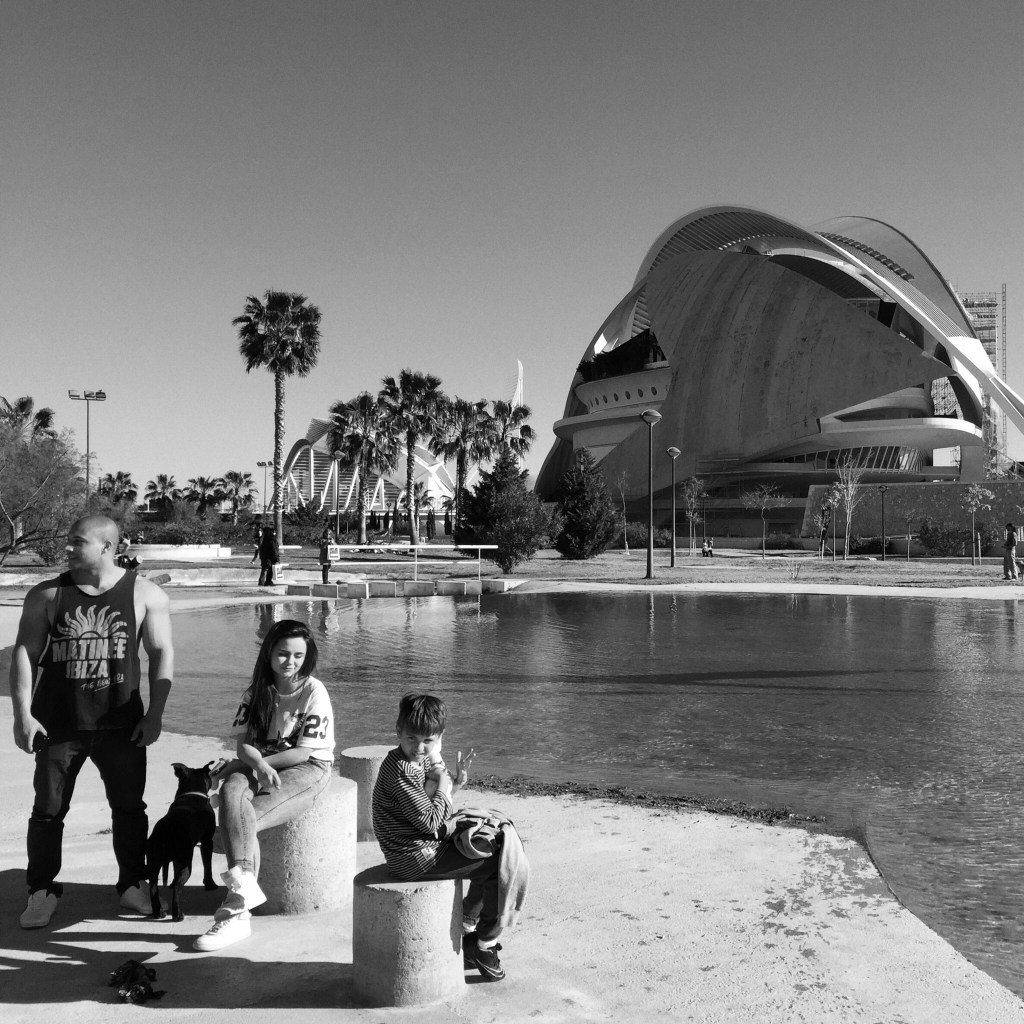
So my solution at the outset was just to always be carrying my camera to and from work. I had about a 2-3 km walk each way through urban areas and ensured that I had my camera in my hand the whole time.
For me, just always holding the camera in public normalized how it felt to me. It also helped me better appreciate the weight and how it moved in my hand.
2. Don’t Focus on Being “Stealthy”
So many street photography tips focus on being “stealthy”. That can mean using a long lens so that people don’t know you’re taking their photo, to shooting exclusively from waist height, never raising your camera to your eye, and so forth. But when you’re shooting in a stealthy way and someone approaches you, then you’re put in a position of potentially lying to them if you say you weren’t making images.

By being “stealthy” — especially if you’re nervous about confrontation — and getting caught the potential confrontation may be a lot more emotionally charged. By way of contrast, if you’re not sneaking about and you’re being confronted then the emotions are going to be lower at the outset than if you were caught sneaking a shot of someone.
3. Don’t Focus on the People
If you’re anything like me when I started making images in my downtown core, taking images of people was something I aspired to but wasn’t comfortable with. But I lived in a big urban city and there was always lots to see and make images of…and so I made images of graffiti, of buildings, or of art exhibitions, and so forth. And in all cases the images that I captured were in public with other people around.
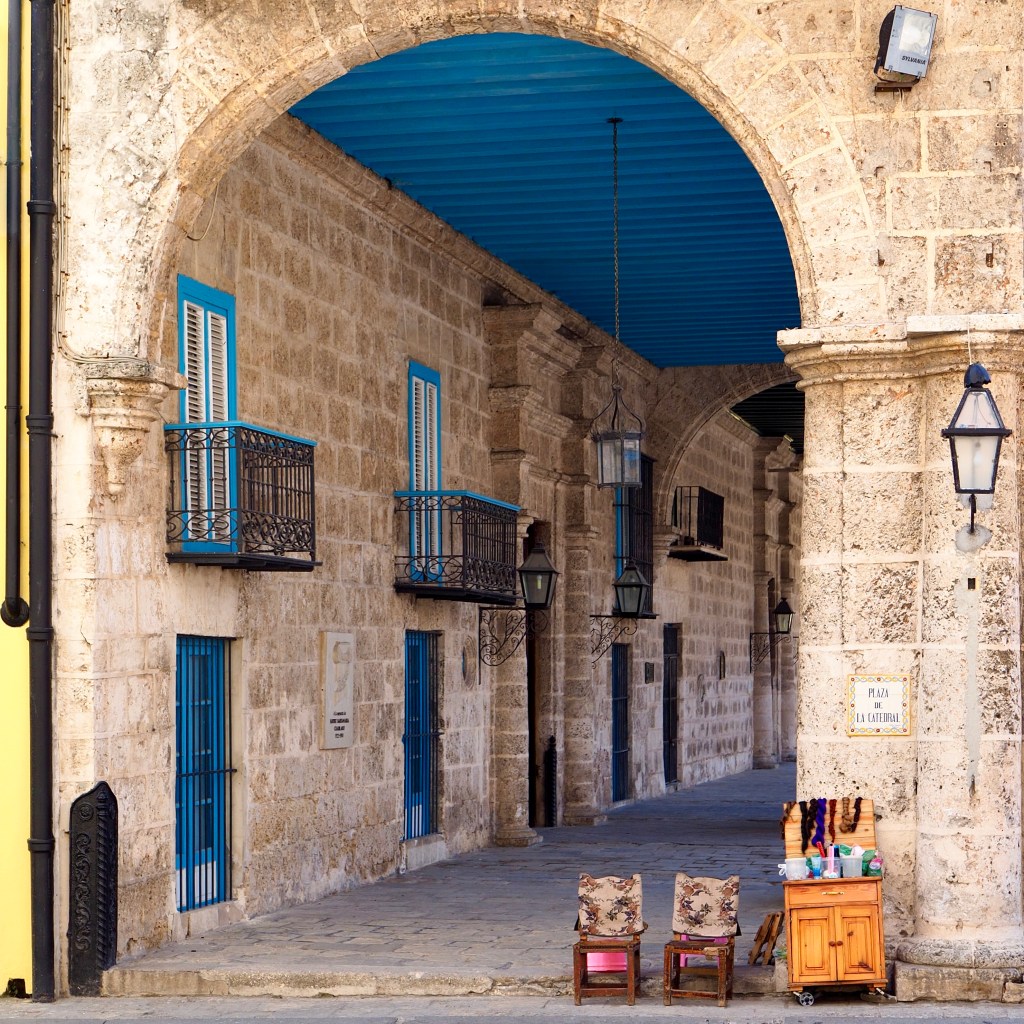
Again, the focus (no pun intended) was just to get comfortable using my camera in public. I liked capturing ambient images of the city and its life, but really this was me practicing and just getting used to holding and using my camera in public, with the ultimate ambition of including people in my images.
Bonus Sub-Tip: As part of not focusing on people you can also consider looking for scenes and then waiting for people to just wander through the scene. I often will do this, myself: I’ll find a location, raise my camera to my eye, hold it for a minute or two, and only then start making images. Anyone who comes through the scene knows that I was there first — I wasn’t chasing them to make their image — and if someone asks what I’m doing, I can talk about the scene and what drew me to it. This helps to orient any conversations around specific individuals in your photographs being incidental to the image being taken, as opposed to the individuals being the primary focus of the image itself.
4. Practice With a 50mm or Wider Lens
It’s pretty routine advice to get a prime lens and learn with it, especially when taking images of metropolitan areas. To my mind there are a few good reasons for this approach to learning.

First, just in terms of training, a prime prevents you from certain kinds of indecisiveness. When you’re operating a zoom lens you have to wonder which of the focal lengths are “best” and you don’t necessarily learn to “see” in any particular focal lengths. If you only have a 50mm focal length, by way of comparison, then you quickly learn to “see” in that length. And you can still zoom — it just requires using your feet!
Second, a prime lens helps you determine what kinds of images you are, or are not, looking to make. If you’re using a 50mm lens then very wide street images that you can capture with a 28mm are just not going to be made. And that’s fine — you learn to look for images that align with that particular focal length. By imposing a series of restrictions on how you can make an image you can expand your creativity by just focusing on what that focal length can produce.
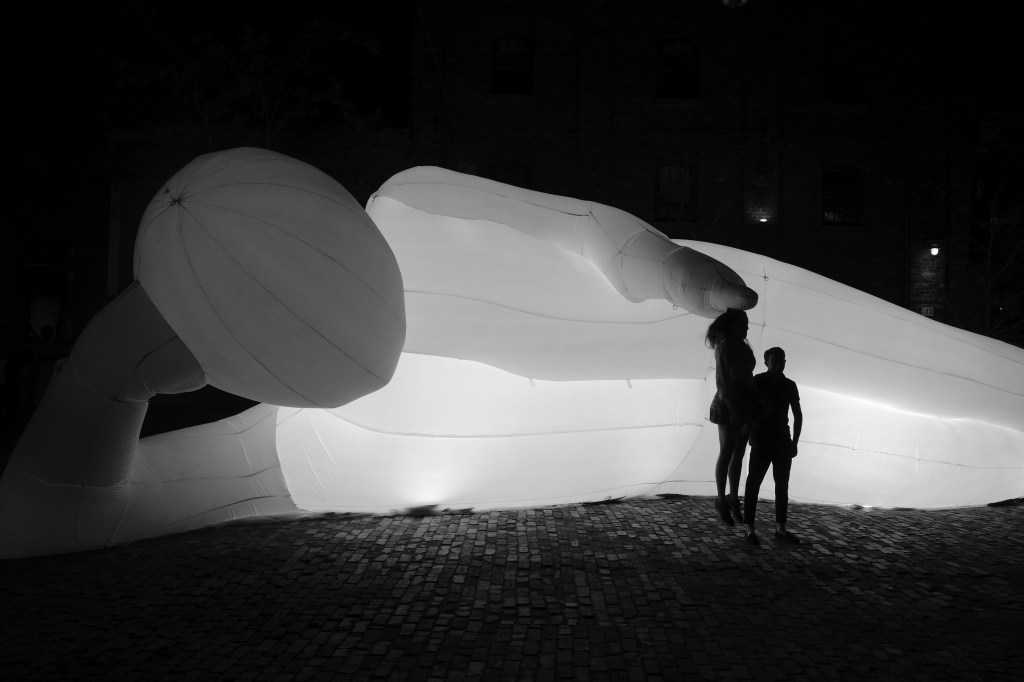
Third, using a single prime lens will mean that you’re carrying less weight and you won’t end up carrying a whole pile of kit with you. Which brings us to the next tip…
5. Don’t Trudge Around with More Than 1-2 Lenses
If you’re going to wander around the streets then you will benefit from not carrying too many lenses. I’d recommend only stepping out the door with your one prime lens. Not only does having a few lenses lead to creative ambiguity — is lens 1 or 2 or 3 “right” for this scene? — but it means you have to carry more stuff on your person.
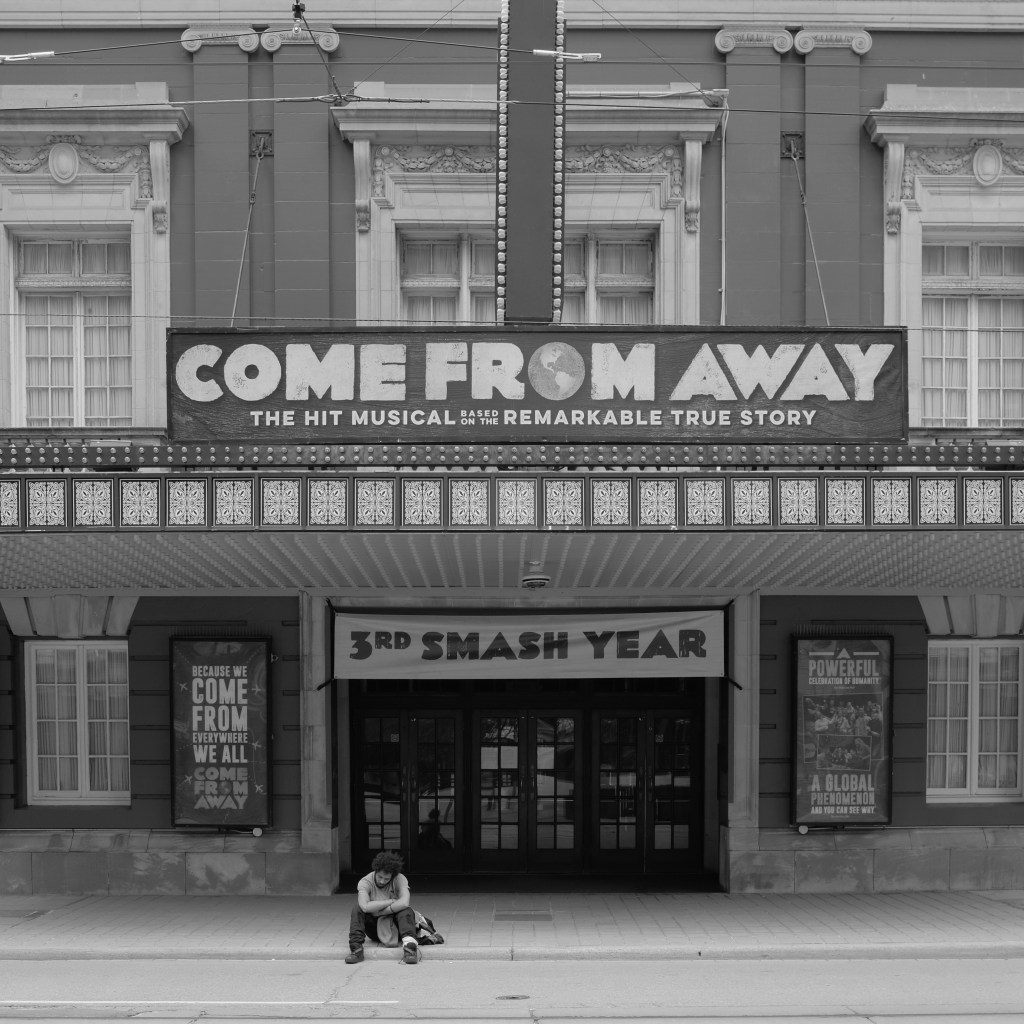
Less weight and fewer focal lengths options means that you may be out making images longer and with more creative discipline. And by really leaning into 1 or 2 fixed focal lengths you’ll learn a lot about whether you like those focal lengths and, as importantly, how you can use them when making images.1
6. Go to Events Where Taking Photographs is Normalized
If there’s a parade, or public art show, or whatever then try to get there and practice taking images of people in those venues. Because it’s a big public event people will tend to be pretty OK with their images being taken. And it will also expose you, a budding photographer, to the challenge of sometimes grabbing a shot in changing light, moving crowds, and so forth.
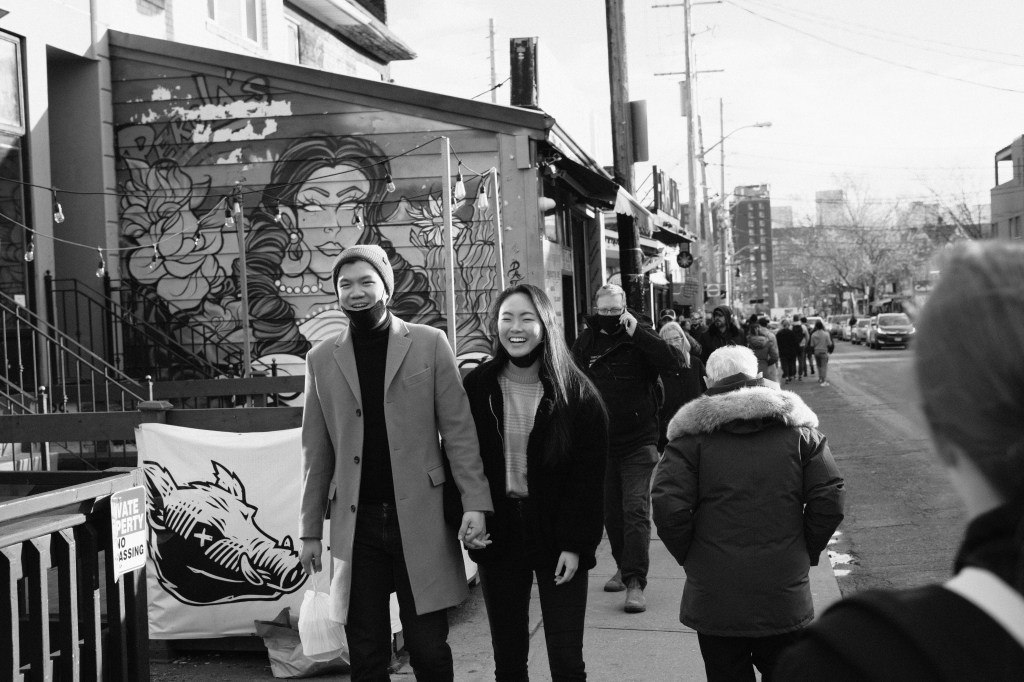
If you’re feeling particularly daring then you might consider walking alongside a parade or protest, and make images of those who are viewing the event. It’s the “one step up” from making images of the participants of parades and events but still pretty comfortable. Most people in crowds are going to be OK with their images being captured and you’ll have walked past anyone who happened to be annoyed at your photographing them before they emerge from the crowds.
7. Go Out a Lot
I try to get onto the streets for a couple hours every weekend. I have a busy full-time job and photography is my hobby, so I don’t worry about not being able to devote a hour or more every day into making images. I’d love to be able to do so but it’s just not my reality.

This having been said I am always out each weekend. Every year I make thousand of frames and often keep returning to the same spots year over year over year in the hopes of some scenes finally producing an image that I like. And by going out you both get a sense for how light falls in your environments, how people move in them, as well as how the urban environment changes through the year. The more you can predict about the environment and its inhabitants the more likely it is that you’ll collect images that speak to you.
8. Review Your Work
Figure out a review tempo for your work and then keep to it. There are at least two parts to this.
First, you need to review the images that you’re making on the streets. I tend to do quick reviews when I come back but other folks do so days or weeks later. Whatever your tempo is it’ll be important to look to see what you’re capturing. It’s the only way to really understand how your creative vision is being interpreted using the camera and lens that you’re carrying.
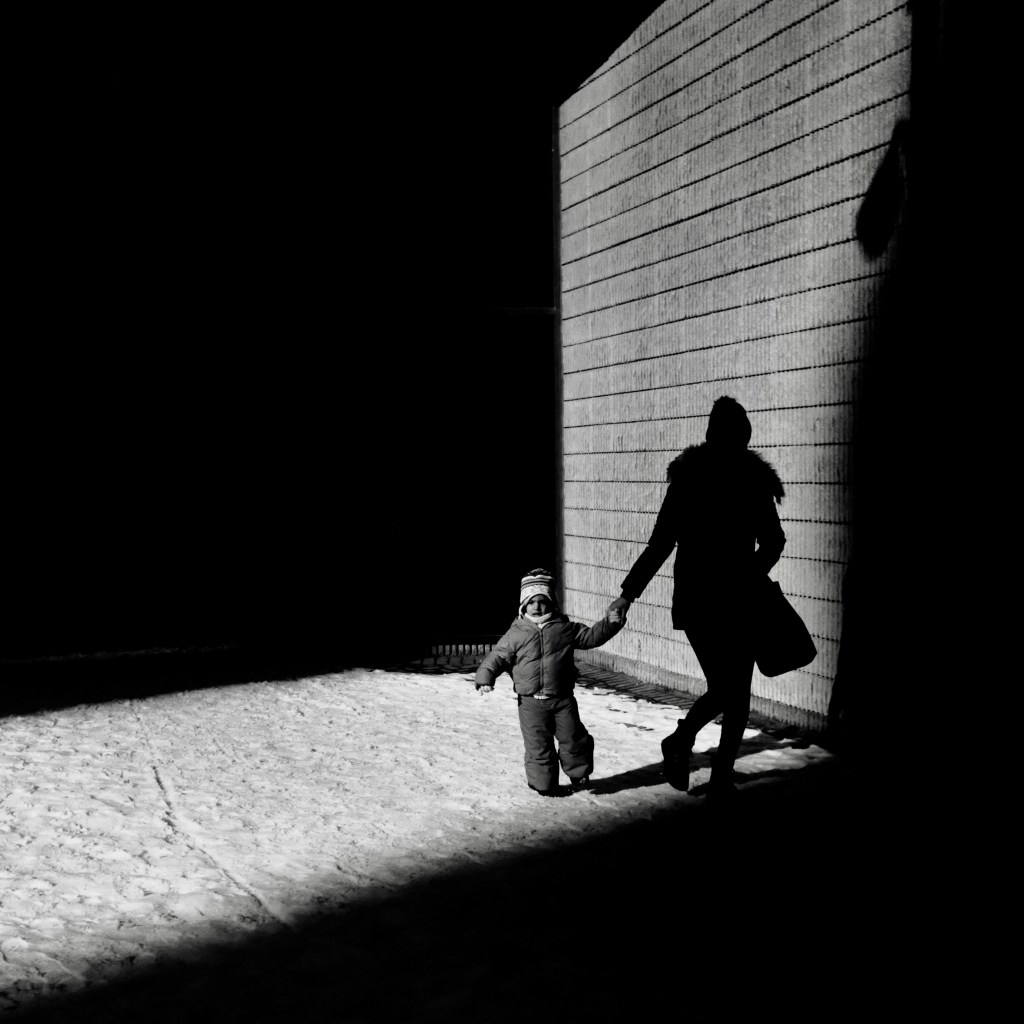
Second, I’d encourage you to do either monthly, quarterly, bi-annual, or annual assessments of the images that you’re taking. Go through and pick out your top 10-20 images and really think about why they’re your favourites. And, also, how would you want them to be improved? What more might you have done?
As you go through more of these reviews also do comparisons to past favourite images — it’s by undertaking this kind of self-assessment or critique that you’ll be able to see whether you are growing or stretching as a photographer, as well as detect themes or commonalities in what you are being attracted towards.
9. Post Some of Your Work Online
Lots of photographers use some kind of online service to post their images. What you use doesn’t really matter. But having a published set of images means that if someone does ask you what you’re doing on the streets, you can quickly direct them to your online work so they can see you’re doing something artistic and genuine.
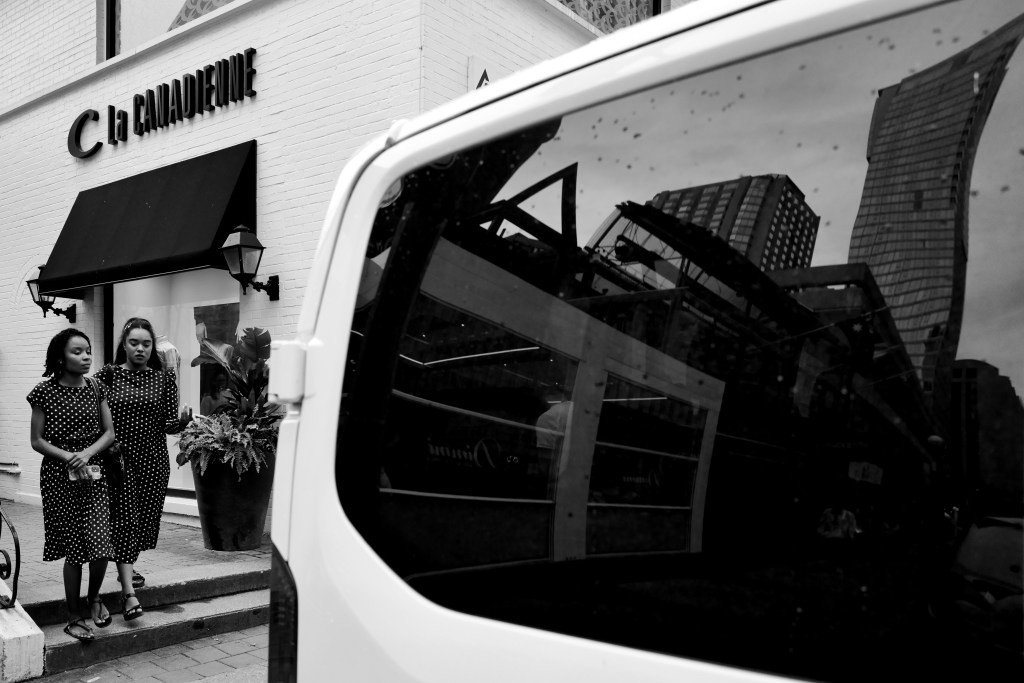
If someone does ask about you about what you’re doing just be honest: you’re starting out as a photographer and like capturing urban environments. Maybe the person in question looked interesting. And you can show them a selection of your work which will reveal you are treating photography at least somewhat seriously as opposed to just taking creepy shots of people on the street.2
10. Have Fun and Ignore Equipment
Street photography is a fun hobby whether you’re out with a smartphone camera, using a film camera or DSLR, or playing with a mirrorless camera. Don’t worry about having “the right” camera or one that is sufficiently new. Any camera that has been made in the past 10 years is going to be more than enough when you’re in the streets for the first time. Don’t focus on the equipment and, instead, just enjoy the fun that comes from focusing intently on the built environment, light, and the people who pass through the streets.
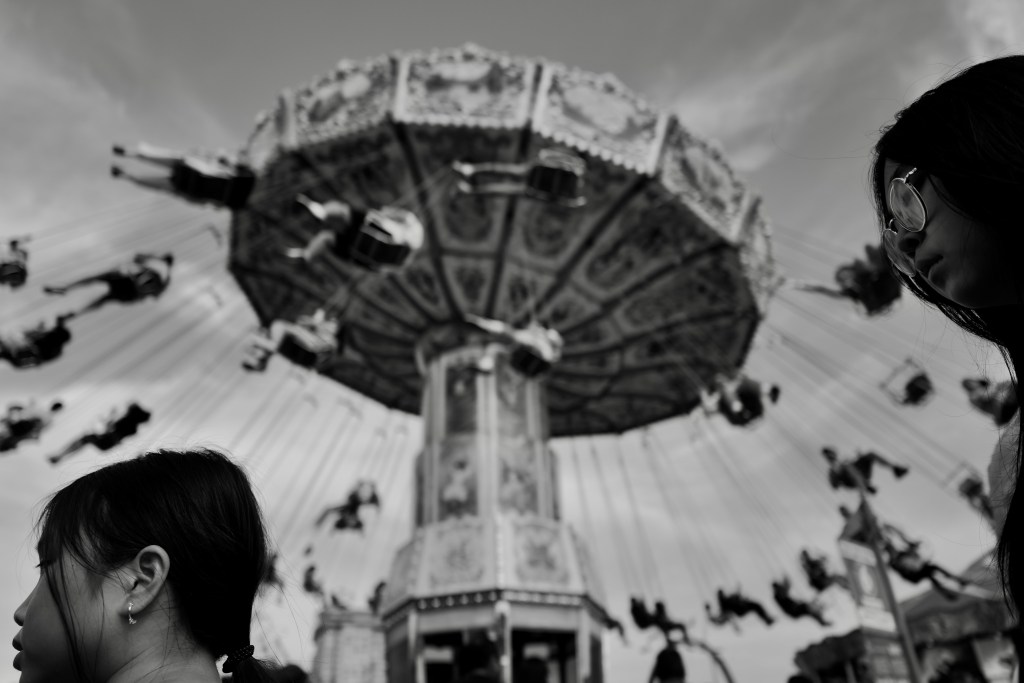
Those are my own 10 tips — what tips would you give a younger version of yourself, today, based on your experiences to date?
- If you just want to use the kit lens that came with your camera — likely a zoom lens — then just set it to a single fixed focal lens and restrict in in place with some electrical tape. ↩︎
- Of course, if you are just taking creepy shots of people — such as some street photographers who use massive zoom lenses to exclusively take long distance photographs of attractive people — then this will just “out” you and what you’re up to. Don’t be one of those people! ↩︎
 Excited Pixels