Categories
Photo Essay Photography

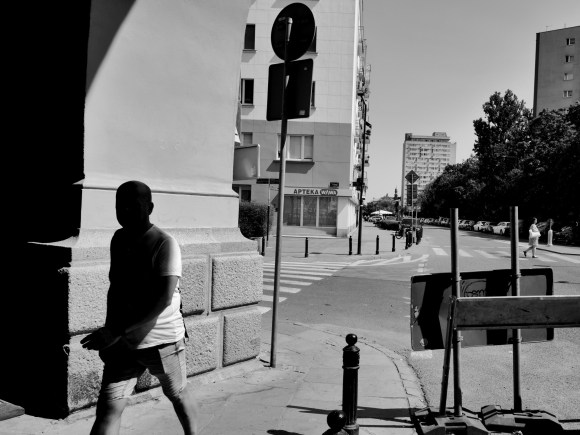
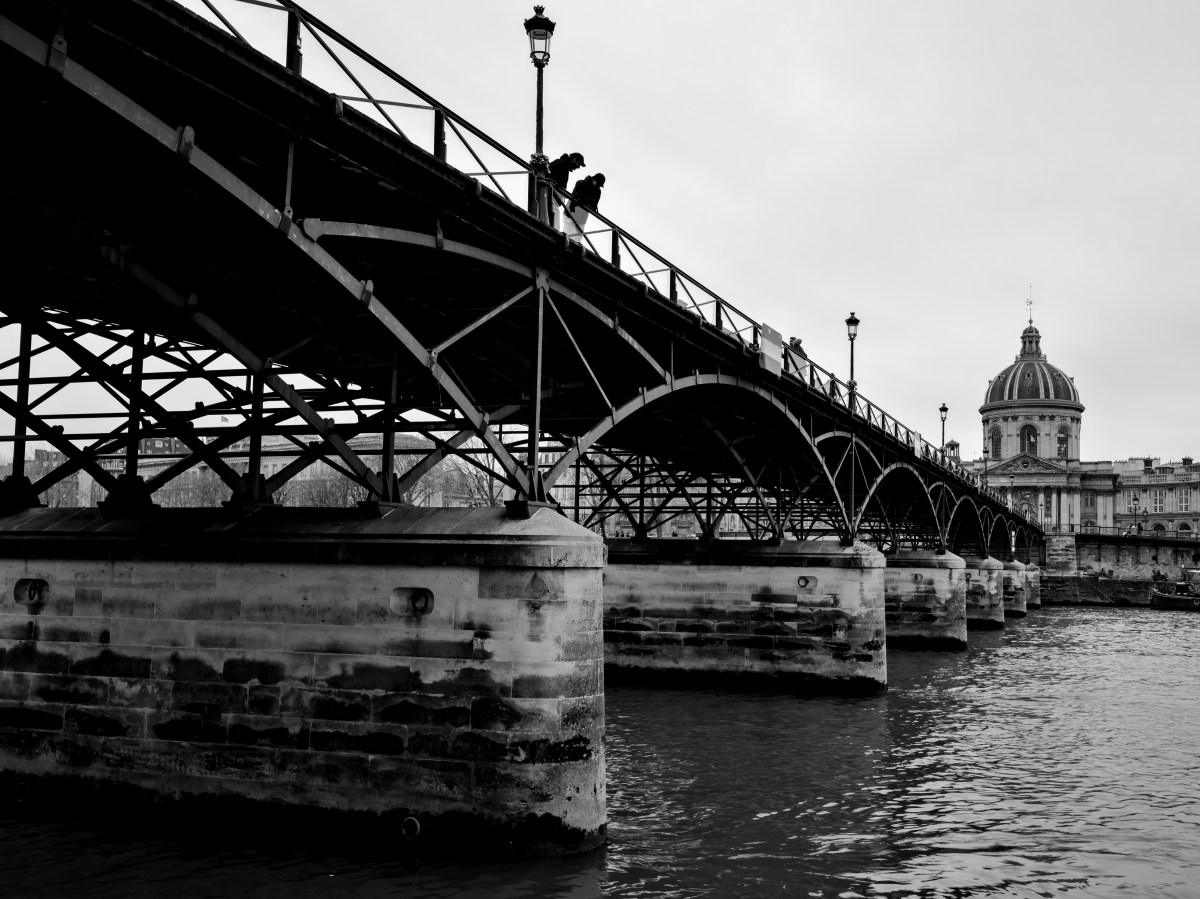
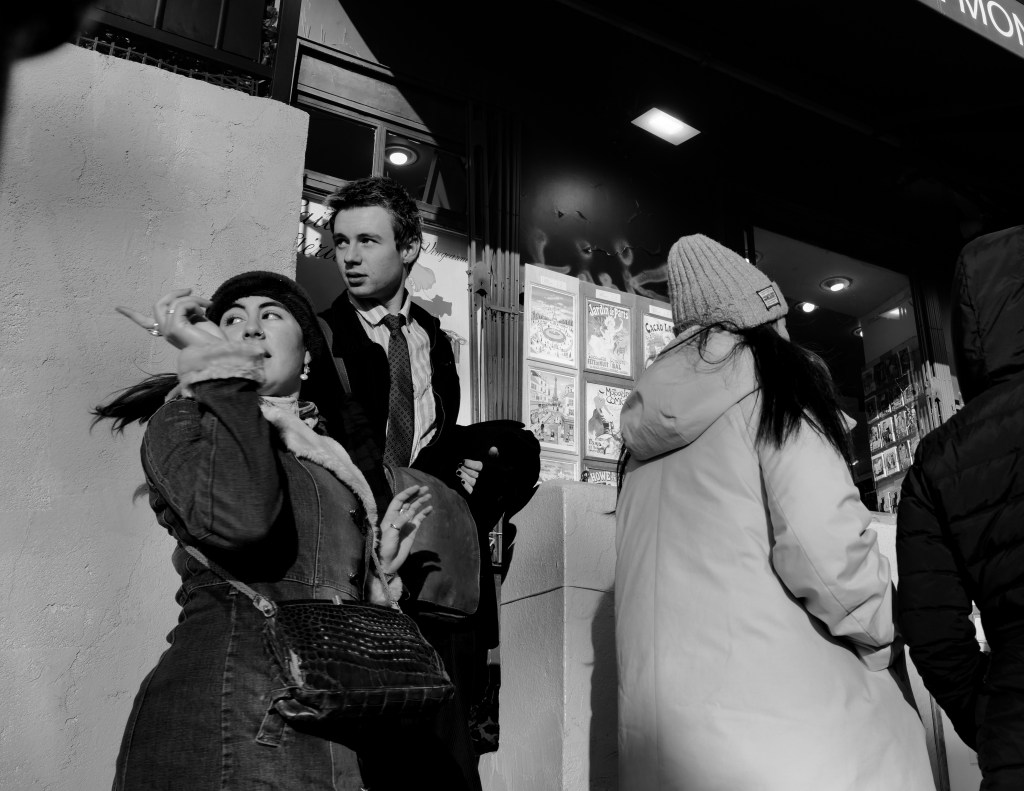
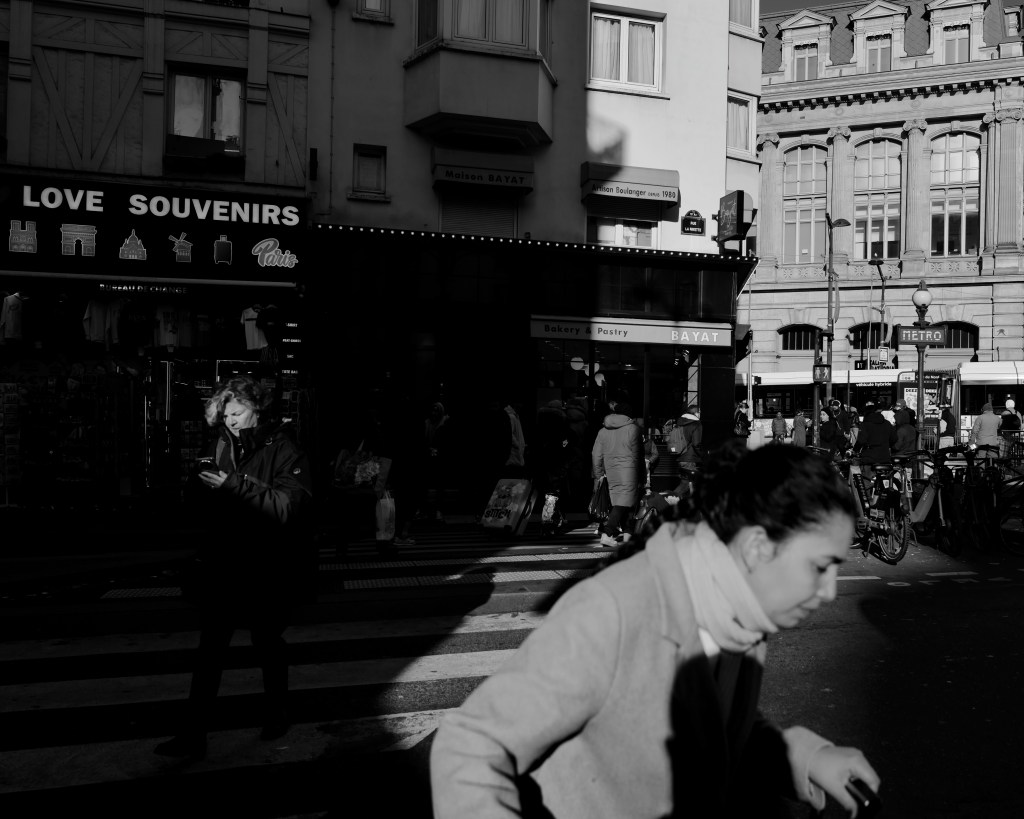
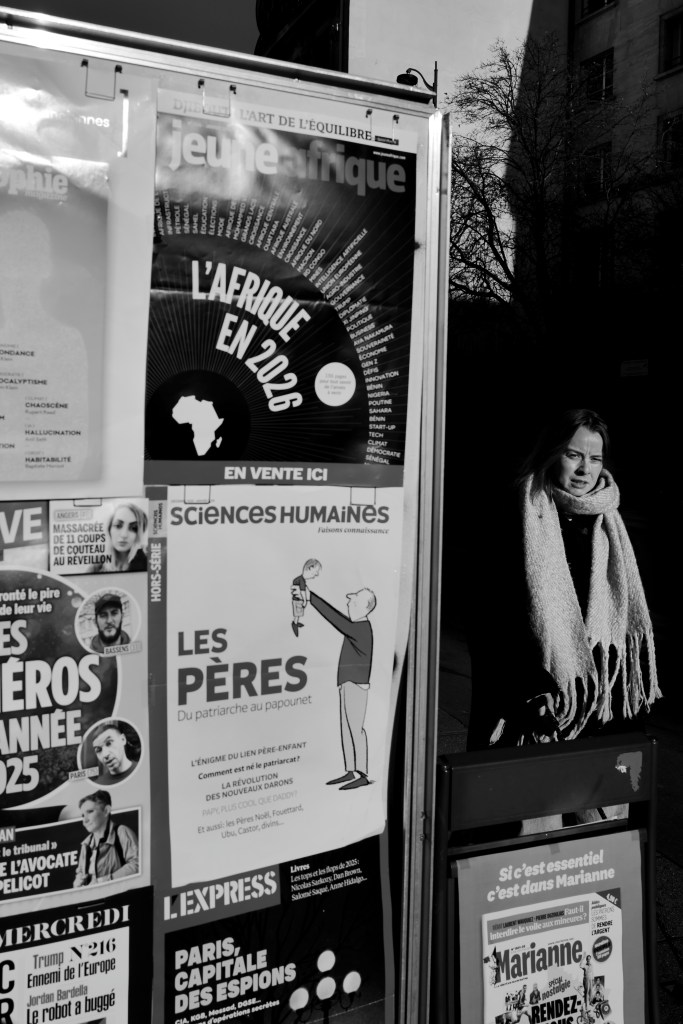
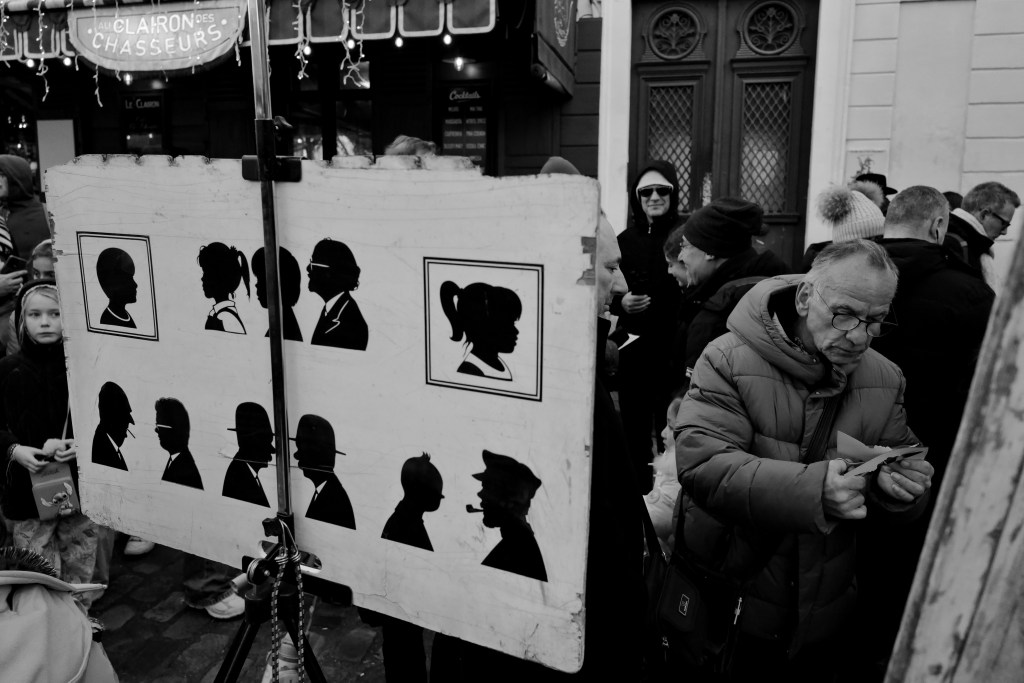
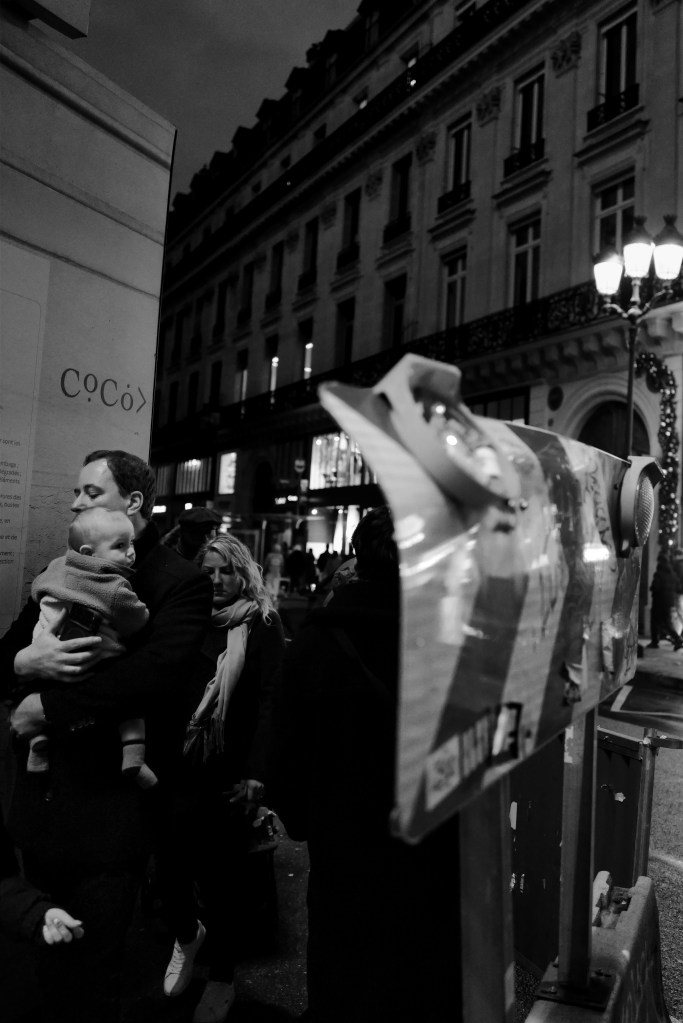
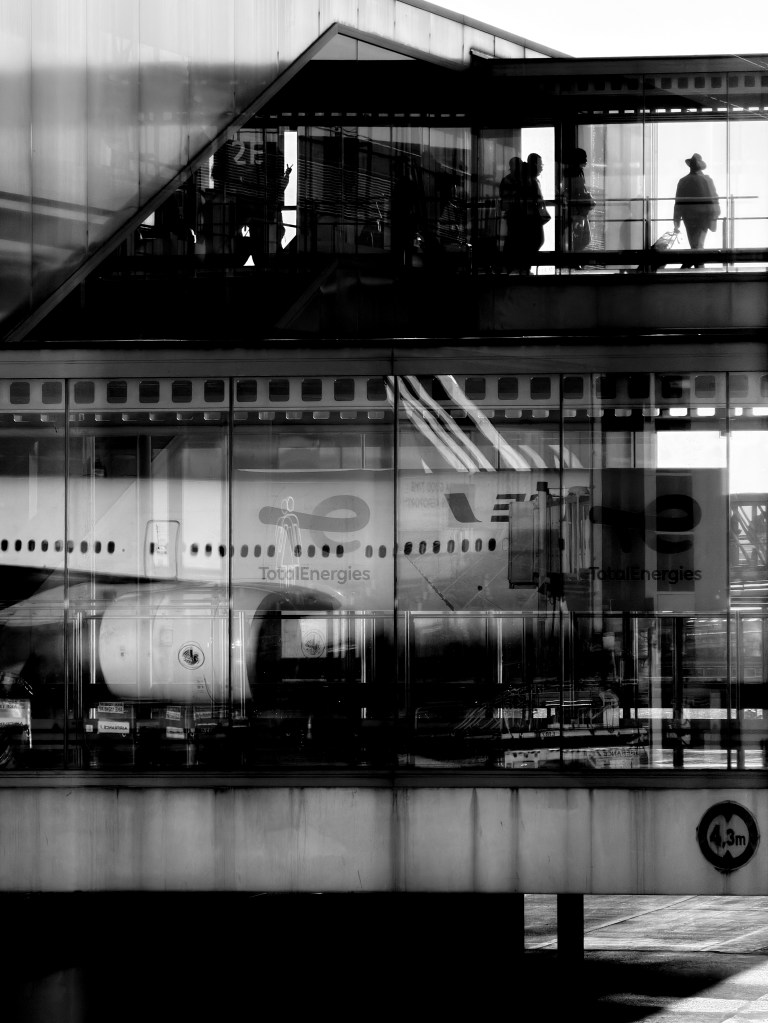
Snippets of Paris (2025/2026)

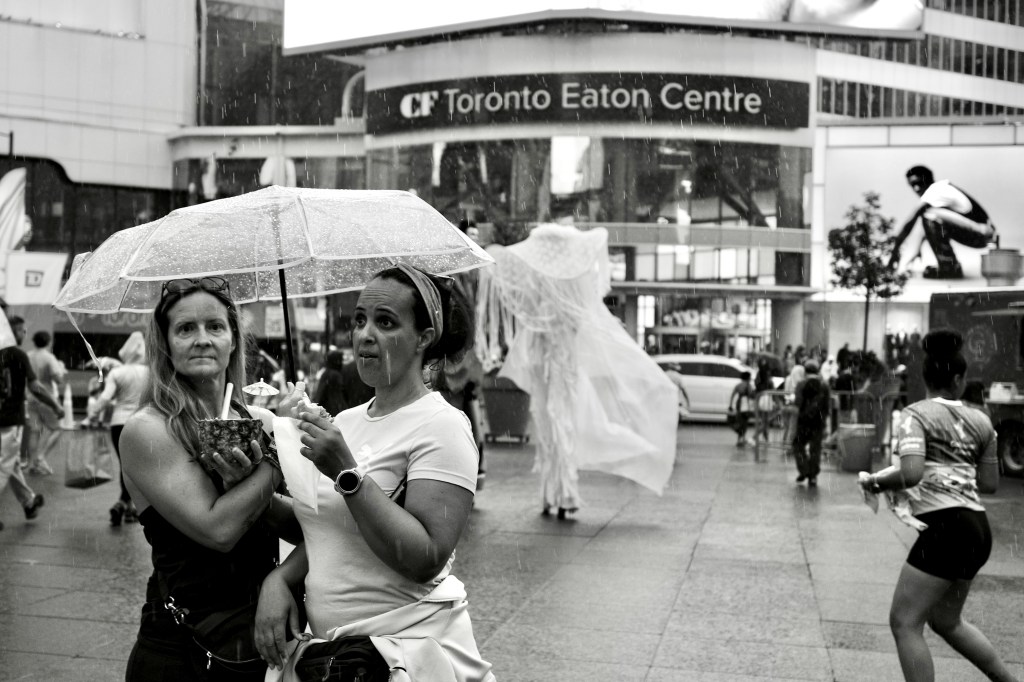
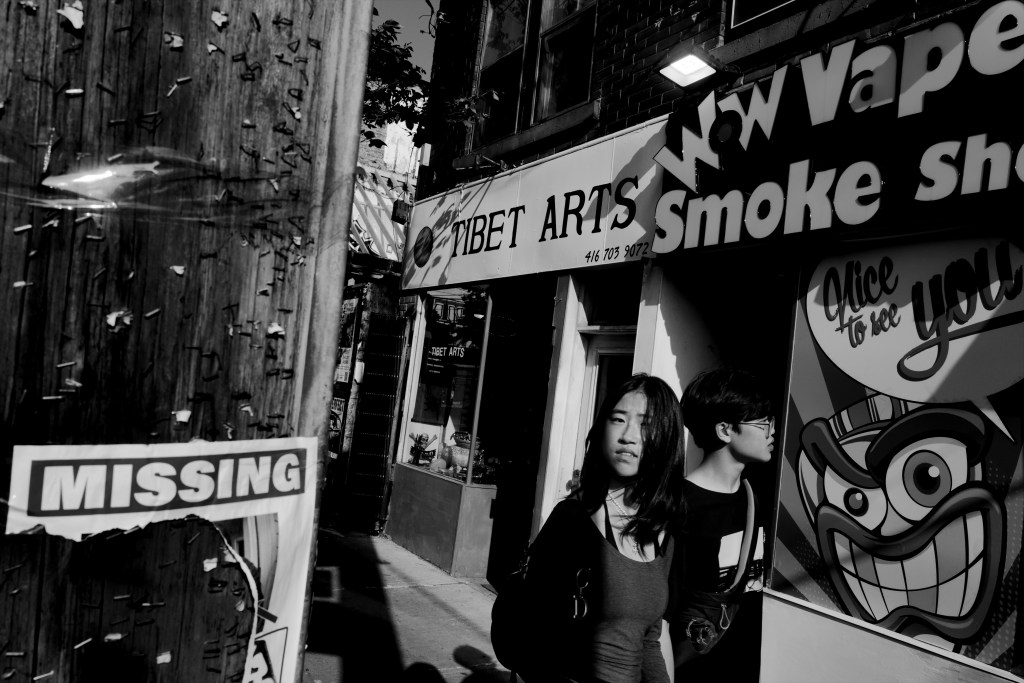
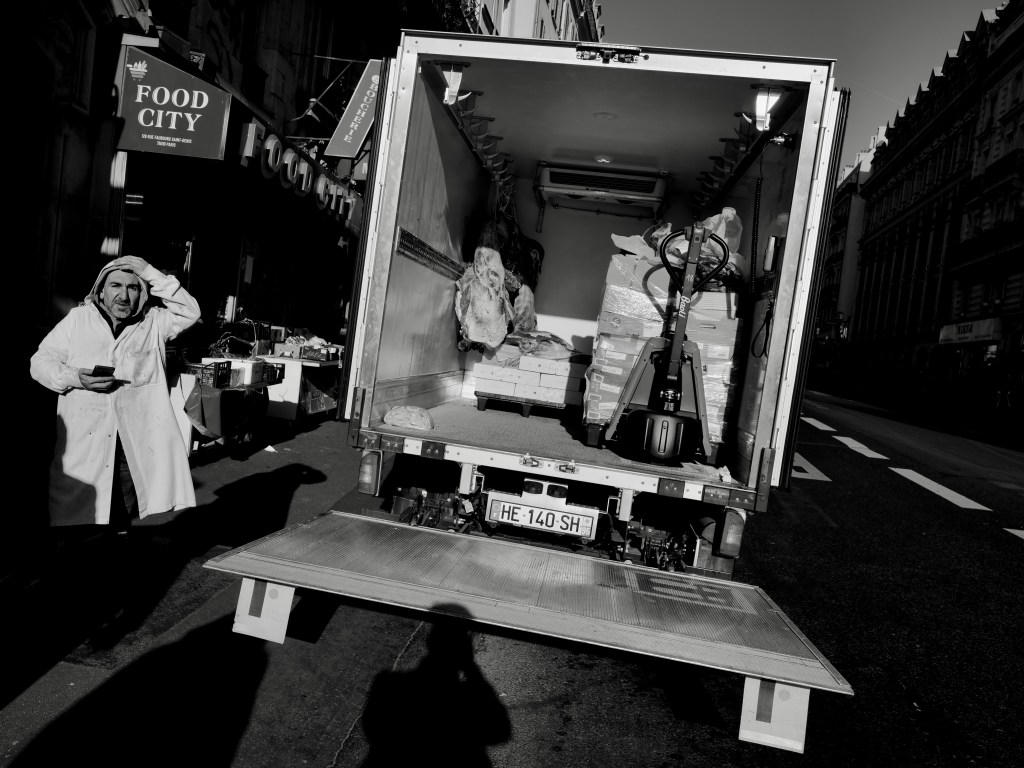
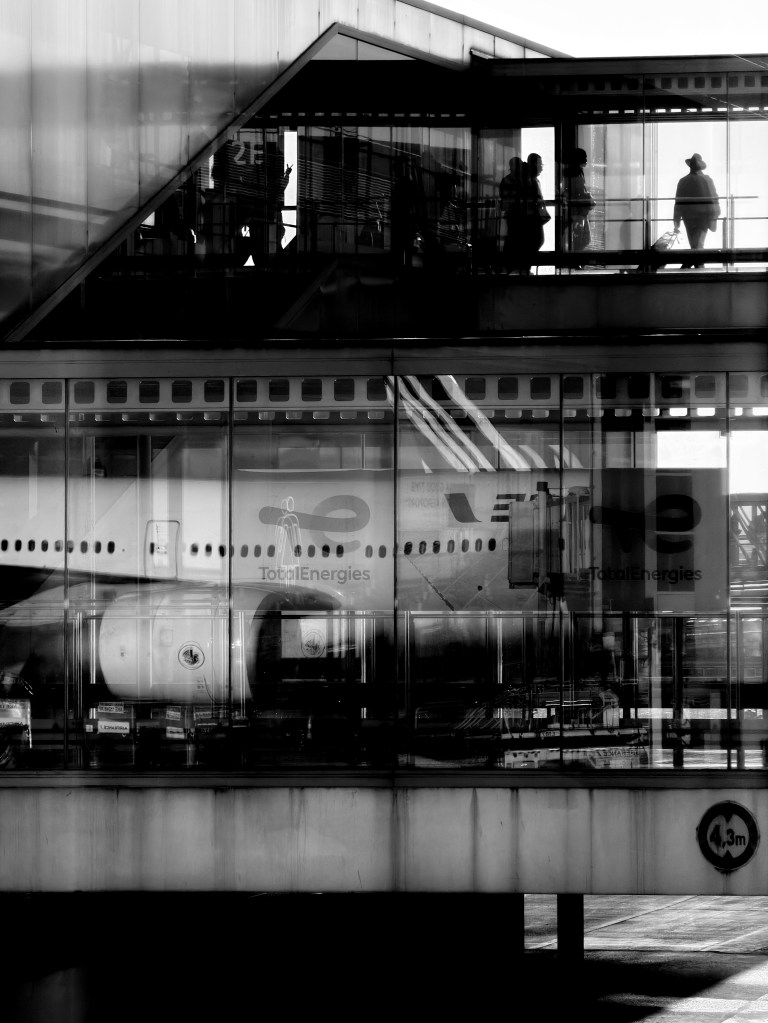
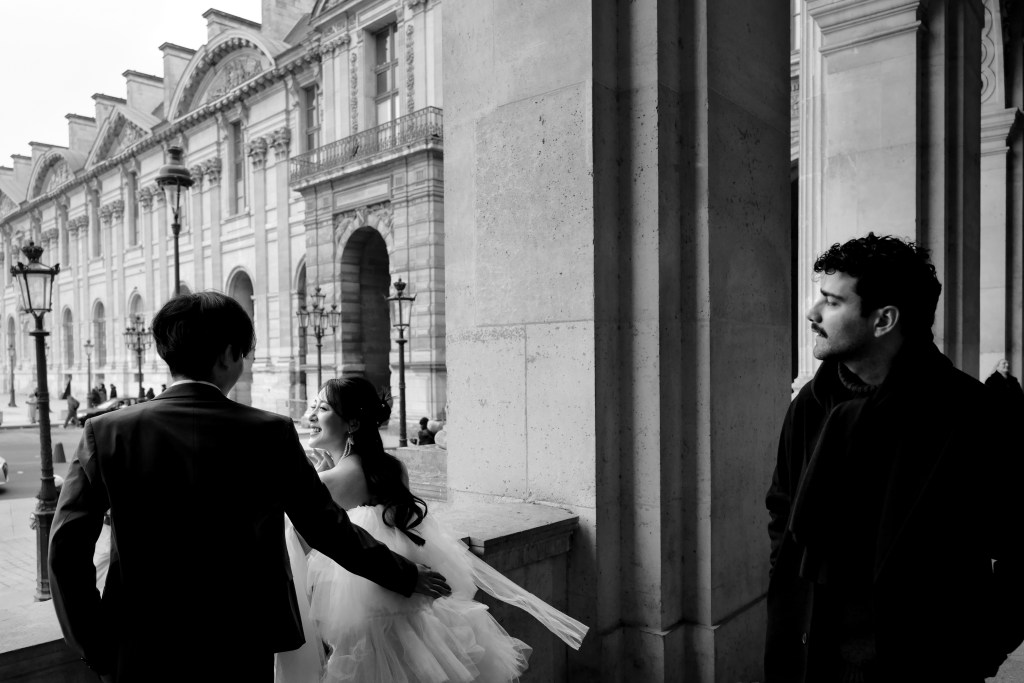
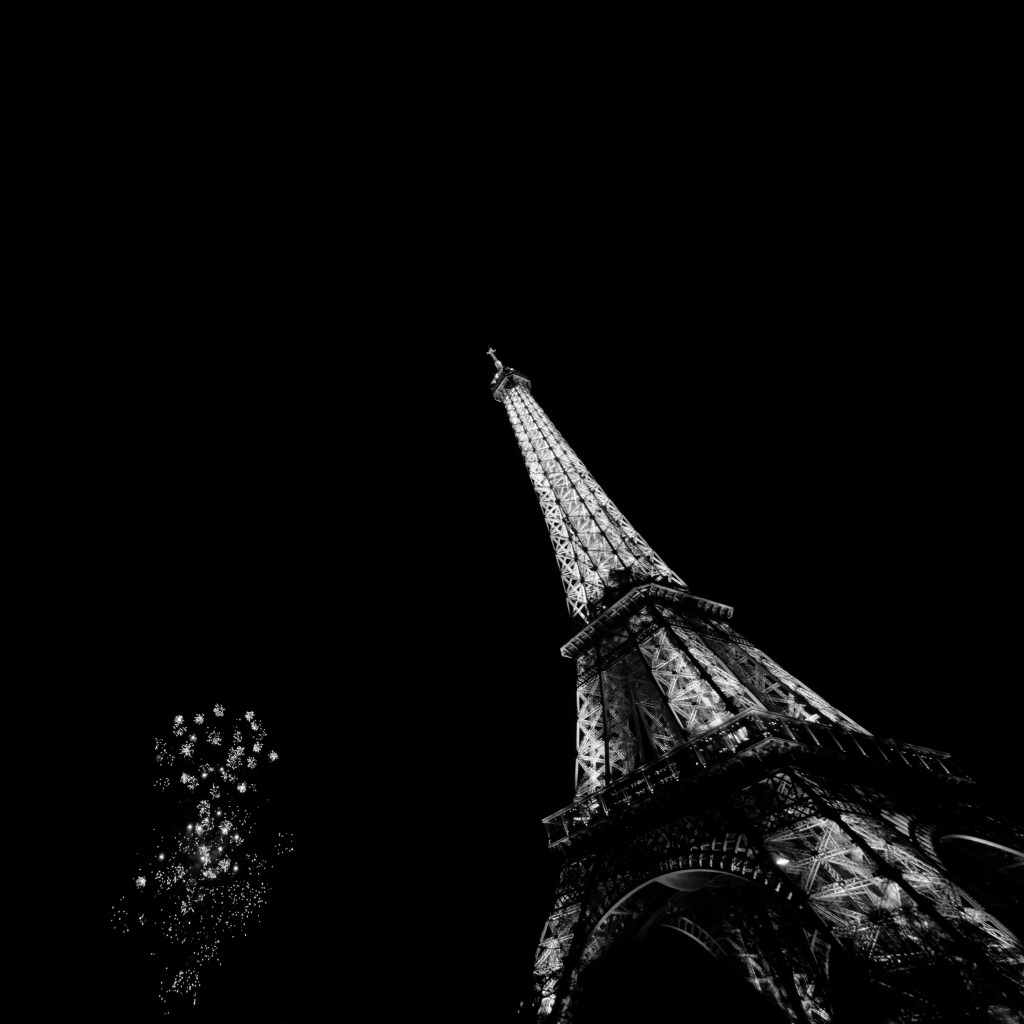
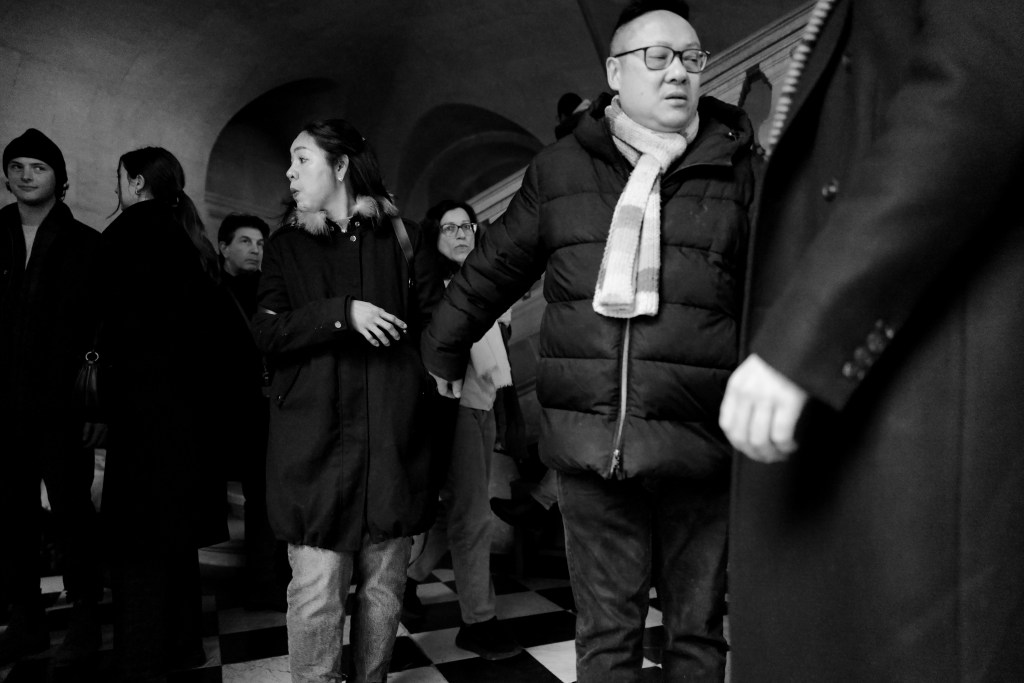
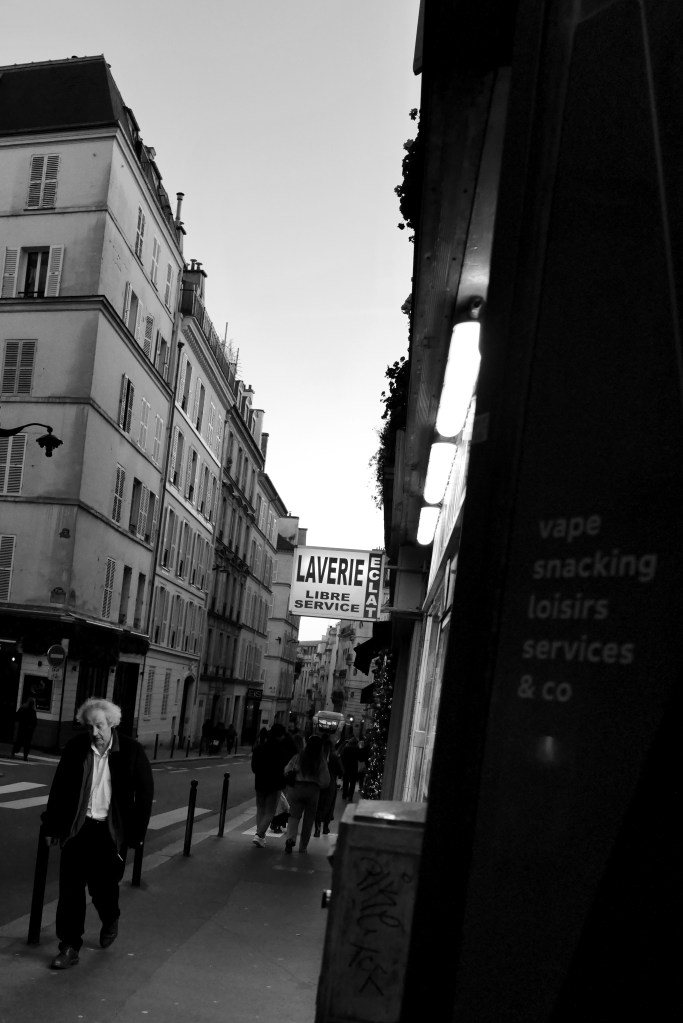
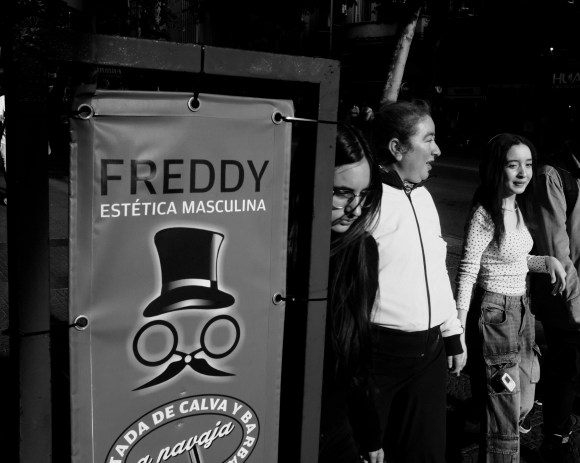
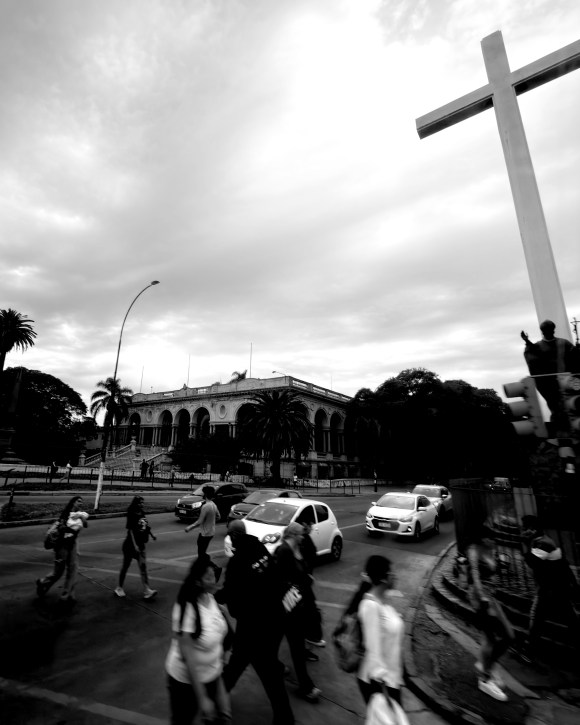
Snippets reflect the transitory experiences we have when passing through scenes, places, and times with people that are fragmentary and atomistic pieces of a greater whole.

My Parisian snippets evoke elements of my own visual grammar, but if they represent anything, it is an attempt to recover from a form of self-alienation that developed over the latter part of 2025.

While a shared grammar connects these images, they resist coherence beyond the internal logic of that language. They do not advance a unified narrative or claim to describe Paris as such. The photographs were not made according to a plan or strategy, nor in service of a particular story.

Instead, each image emerged from extended photographic walkabouts, where movement itself was the method, and each step was taken in the hope of returning to myself. On returning from Paris, I could at least see myself again, even if I was still not yet fully walking in my own shoes.

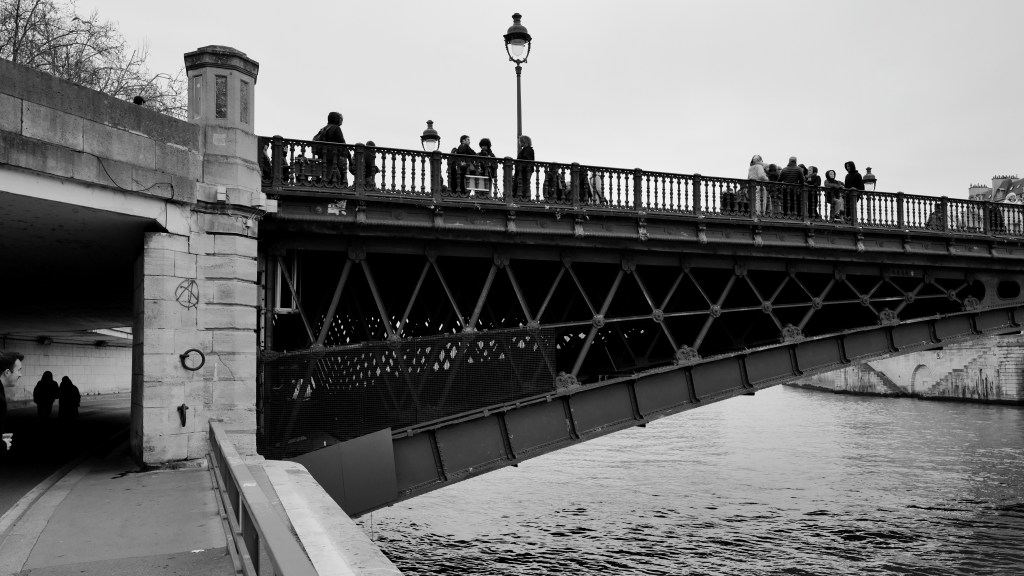
Voie Georges Pompidou & Pont D’Arcole, Paris, 2025
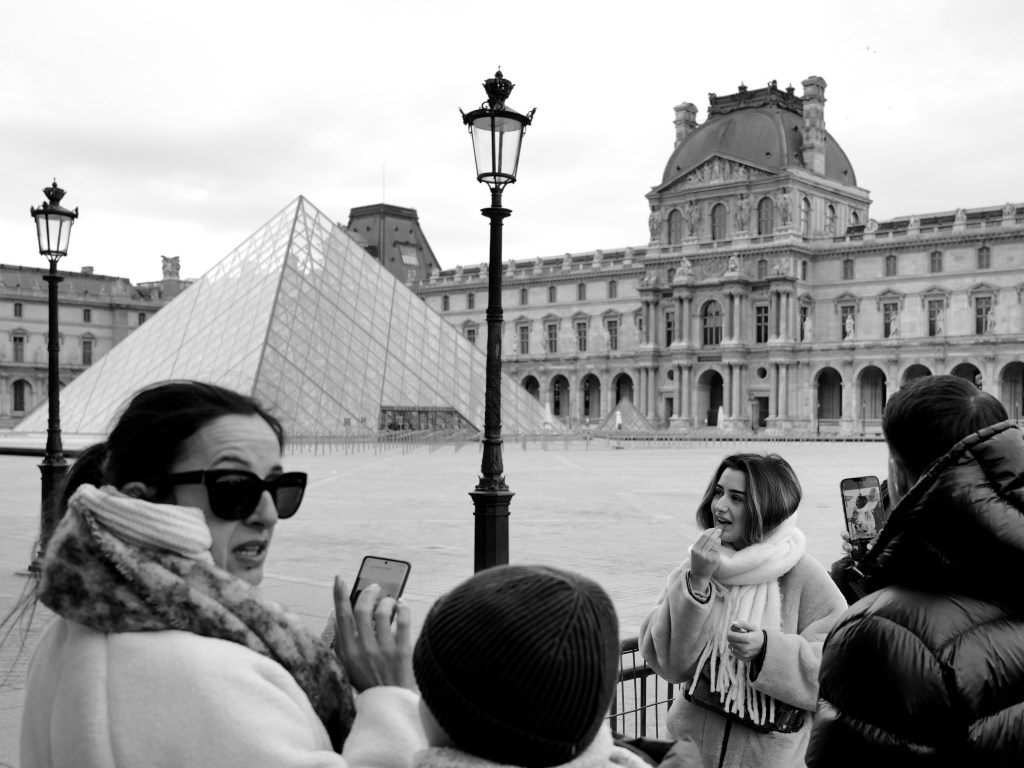
Place du Carrousel, Paris, 2026
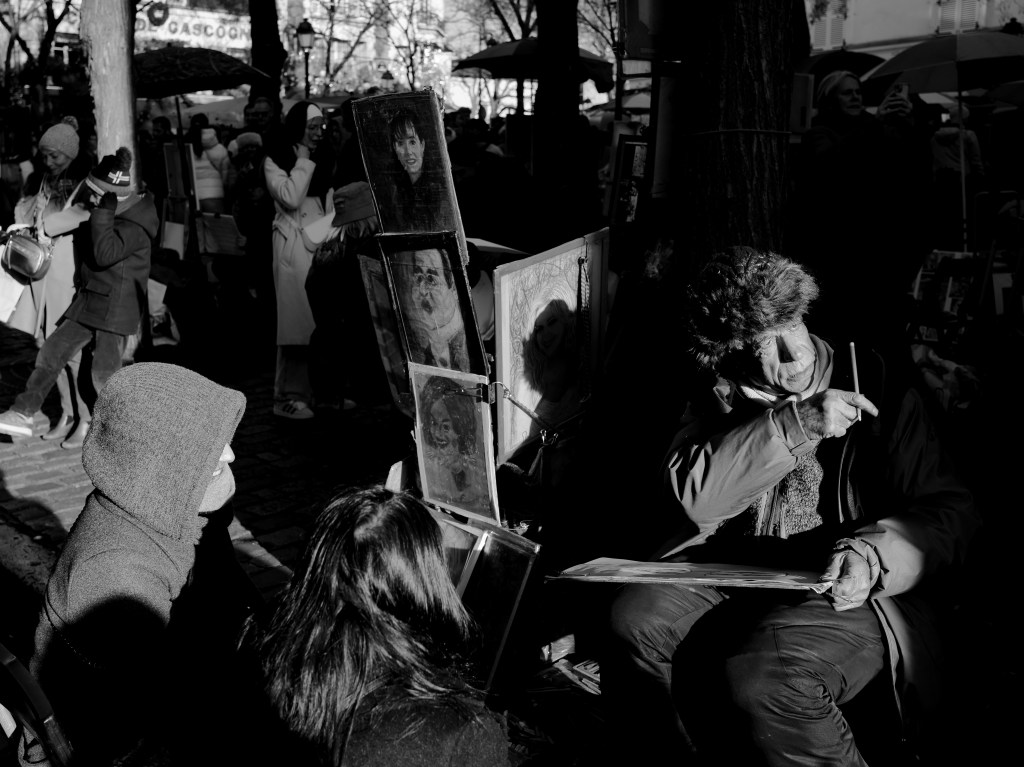
Place du Tertre & Rue du Calvaire, Paris, 2025
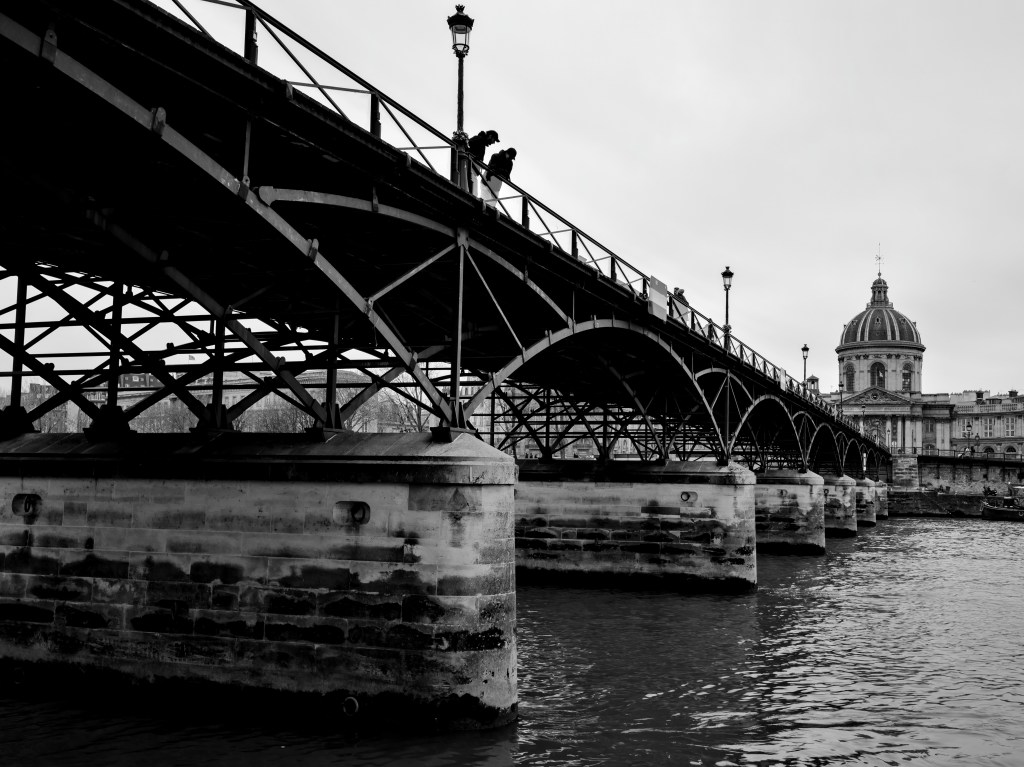
Pont Des Arts & Grande Rue 22 Sentier du Mont Saint-Michel, Paris, 2025
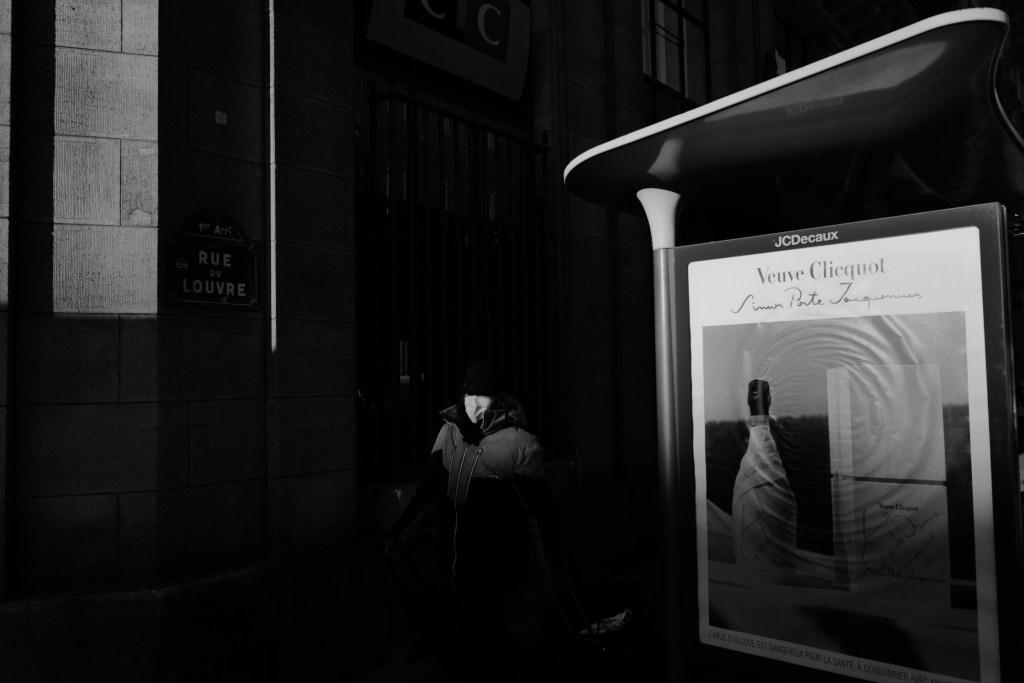
Rue du Colonel Driant & Rue Du Lovre, Paris, 2025
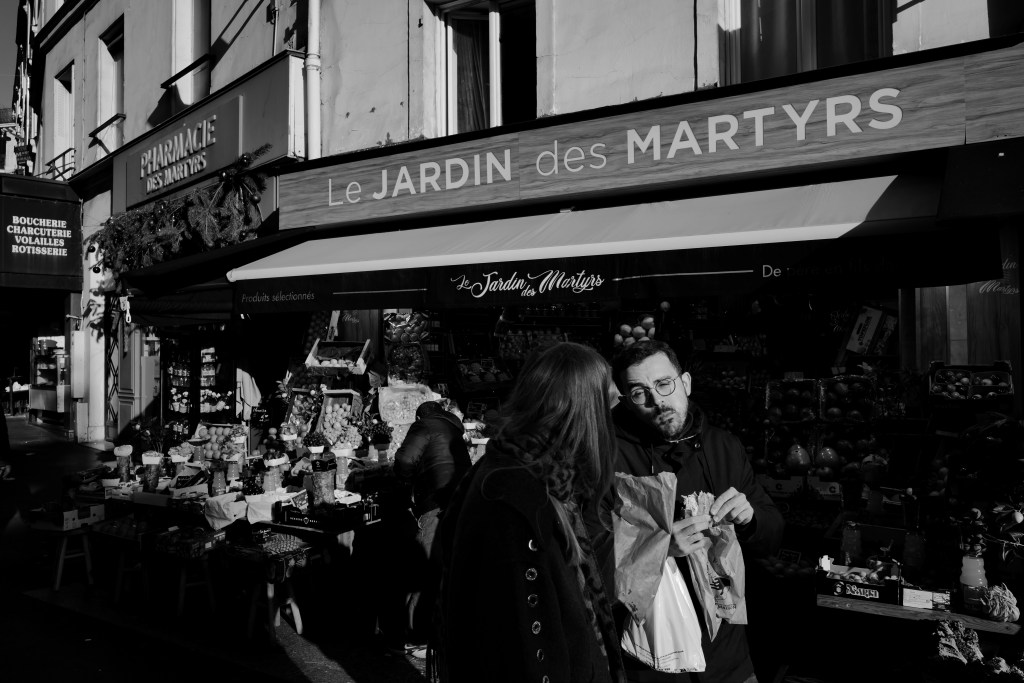
Rue Des Martyrs & Rue Lamartine, Paris, 2025
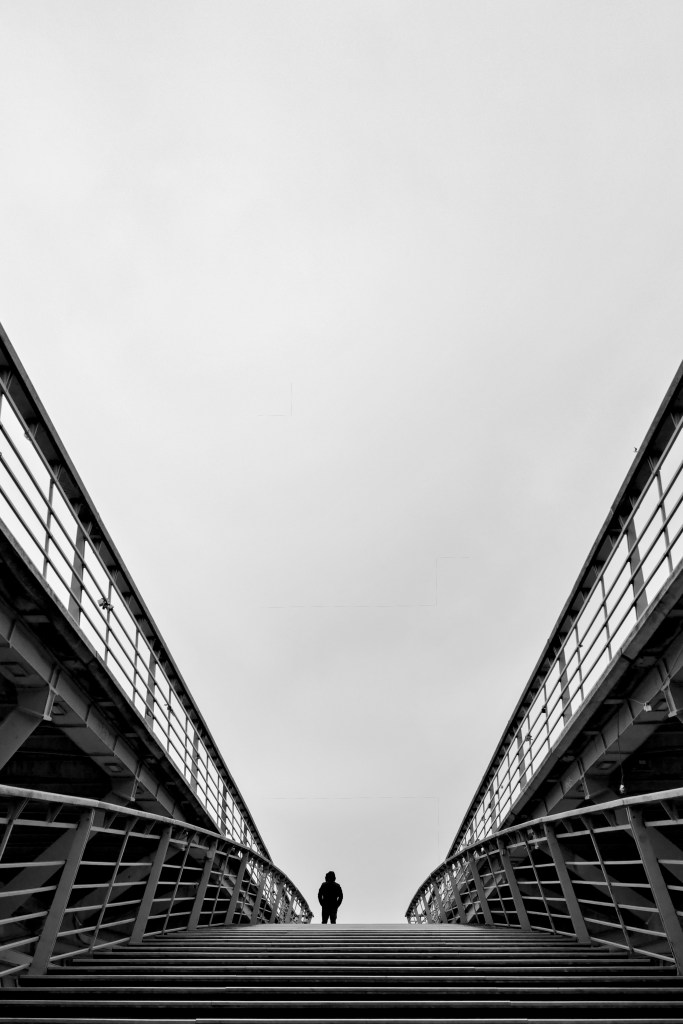
Passerelle Léopold-Sédar-Senghor & Port des Champs Elysées, Paris, 2025
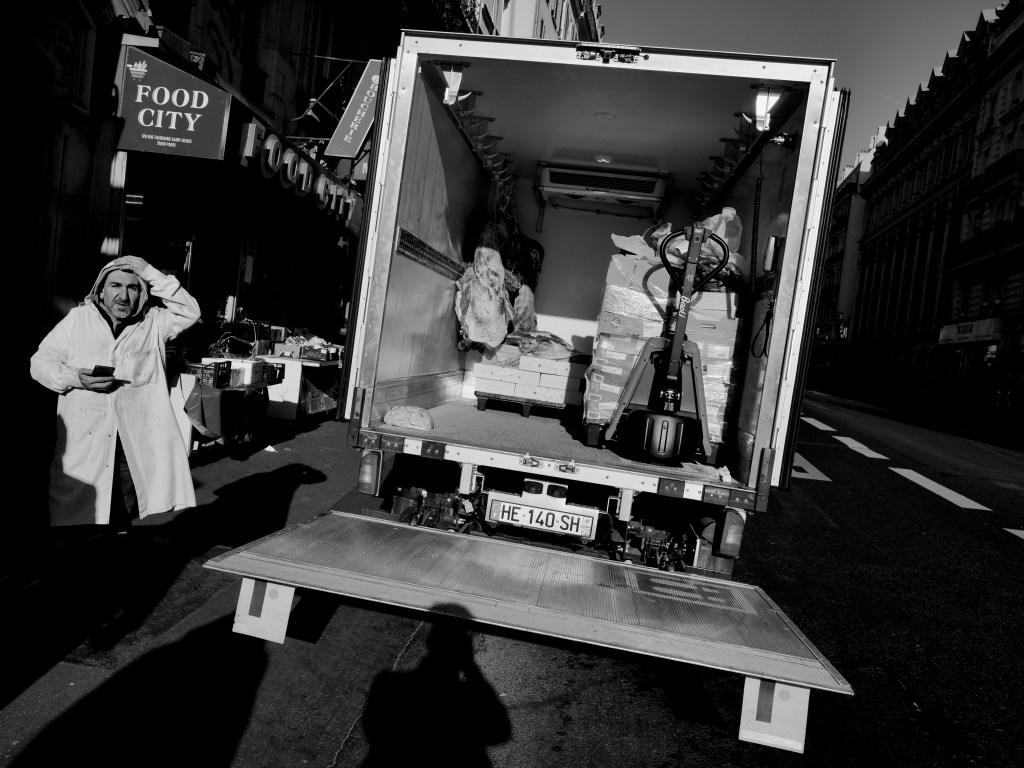
Rue Faobourg Saint-Denis & Boulevard de Magenta, Paris, 2025
Rue Norvins & Rue Des Saules, Paris, 2025
Rue la Fayette & Rue de Dunkerque, Paris, 2025
Rue la Fayette & Rue Du Faubourg Poissonnière, Paris, 2025
Place du Tertre & Rue Du Mont-Cenis, Paris, 2025
Rue de Rivoli & Place du Carrousel, Paris, 2026
Quai Jacques Chirac & Avenue De Suffren, Paris, 2026
Rue Pierre de Nolhac & Rue Des Récollets (Palace of Versailles), Versailles, 2026
Rue du Douai & Rue Blanche, Paris, 2025
Rue Halévy & Rue Auber, Paris, 2026
Charles de Gaulle, Paris, 2026

All images made using a Leica Q2 or an iPhone 17 Pro, and lightly edited using Darkroom and/or Apple Photos. An extended version of this series was first published on Glass.

About Me

Christopher Parsons an amateur Toronto-based documentary and street photographer, and has been making images for over a decade. His monochromatic photographs focus on little moments that happen on the streets and which record the ebb and flow of urban life over the course of years and decades.

His work often tries to capture the urban landscape from unfamiliar perspectives and routinely focuses on attention to small and transient details of his environments. Rather than pursuing individuals on the streets he focuses on the backdrops of the urban environment and how subjects live their lives passing through them.

His work has been highlighted on Ted Forbes’ YouTube Channel, The Art of Photography, on the Photowalk Show podcast hosted by Neale James, as well by the Glass social media platform.

Outside of photography, Christopher has worked on high-profile national and international privacy, data security, and national security issues. He is currently employed at a government data privacy and transparency regulator.
Categories
Photo Essay Photography

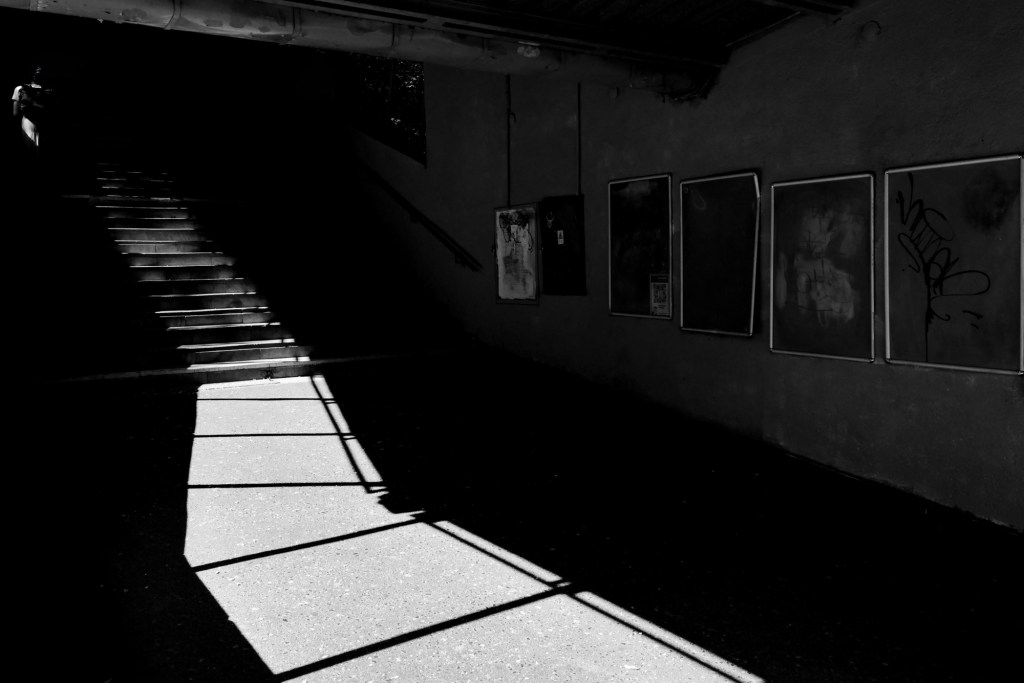
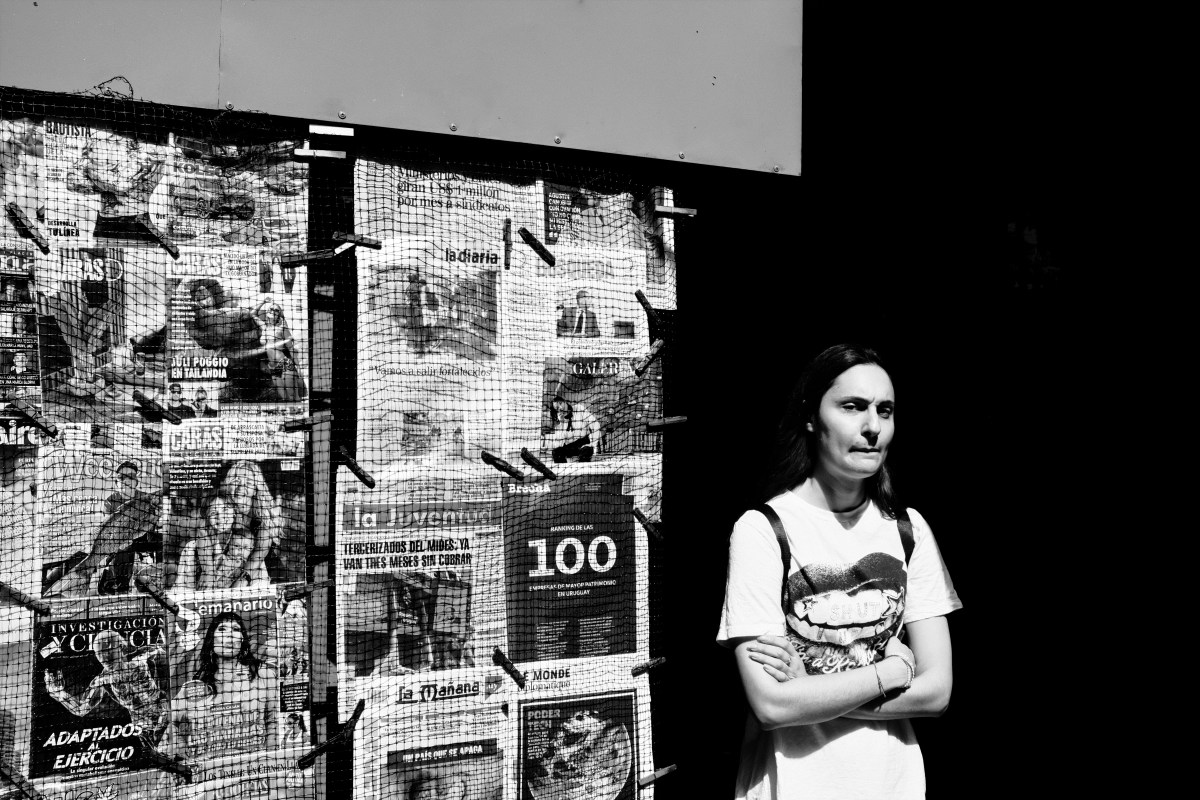
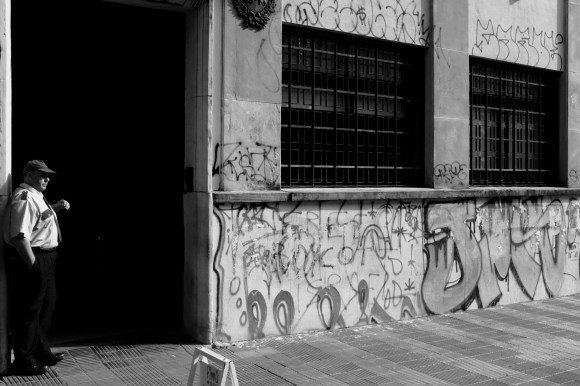
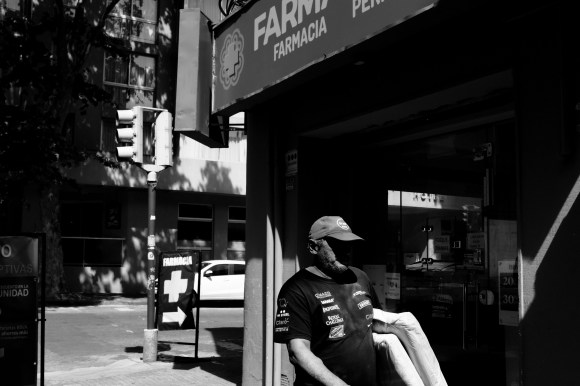
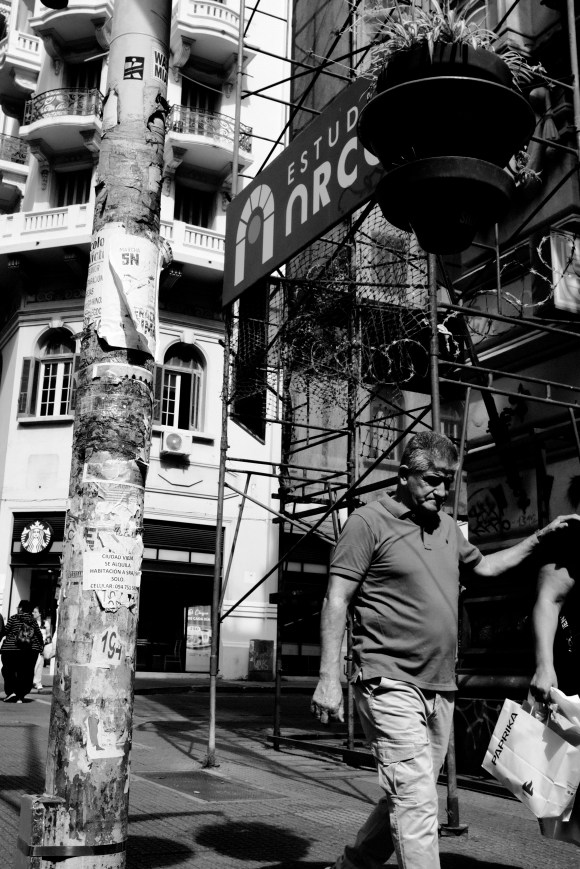
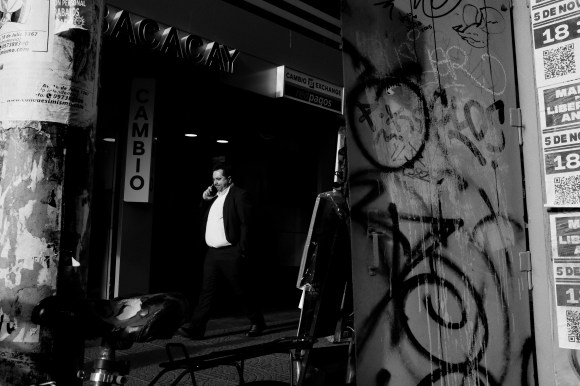
Snippets of Montevideo (2025)

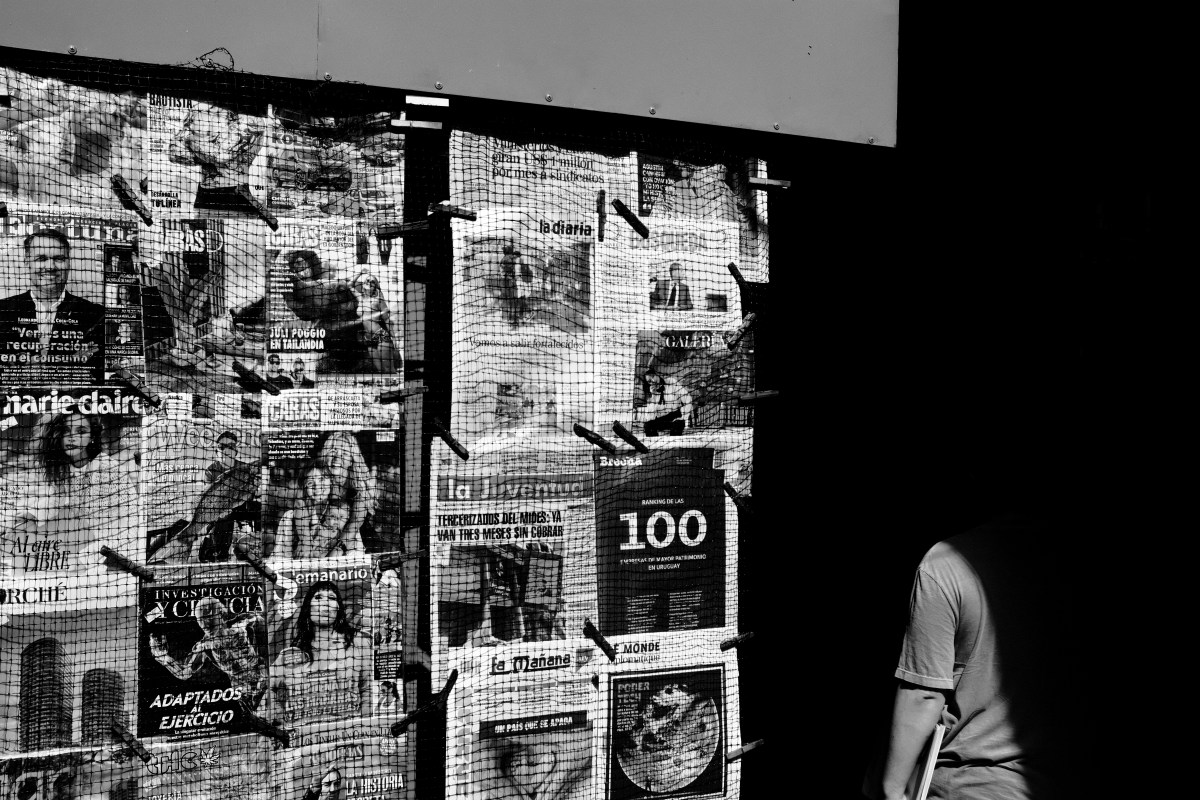
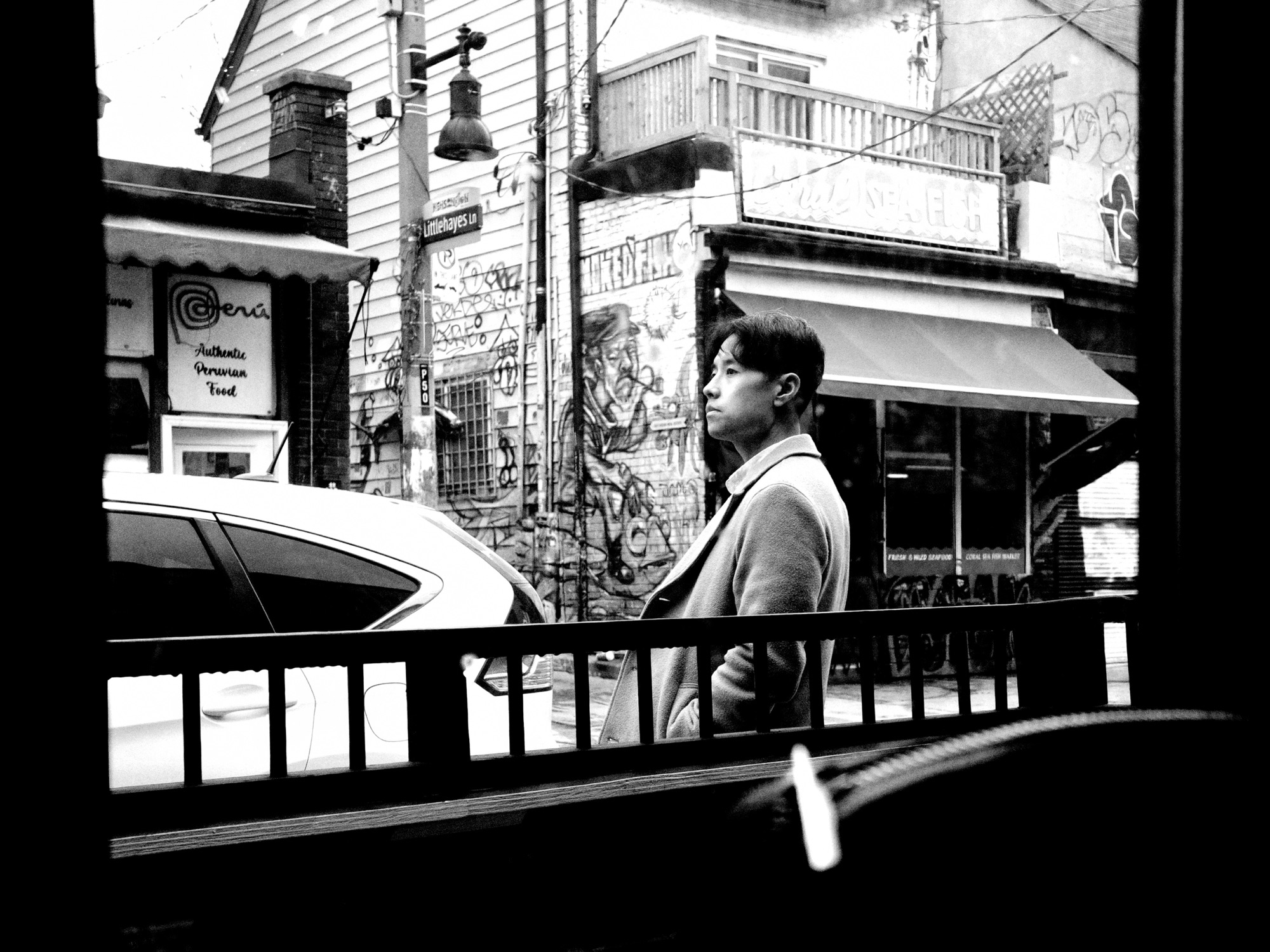
Snippets reflect the transitory experiences we have when passing through scenes, places, and times with people that are fragmentary and atomistic pieces of a great whole.

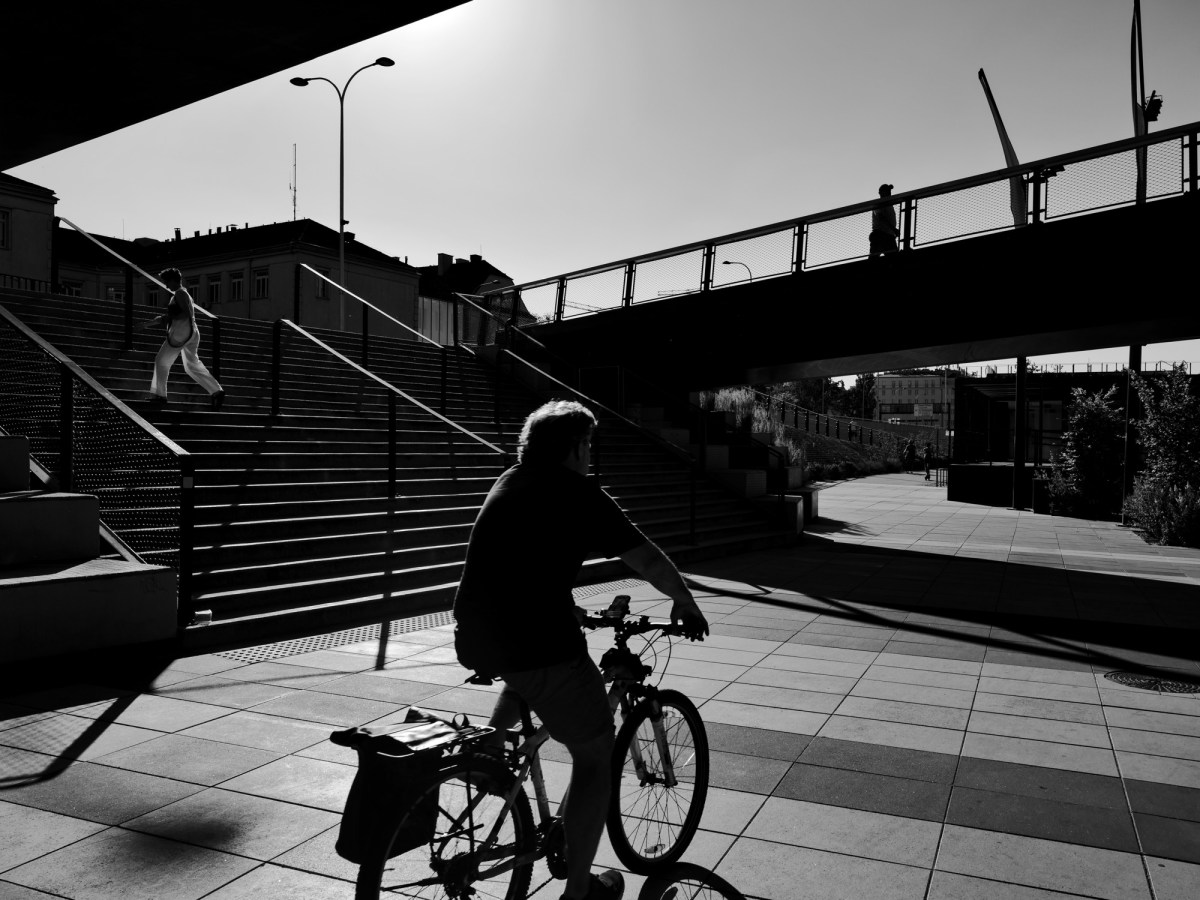
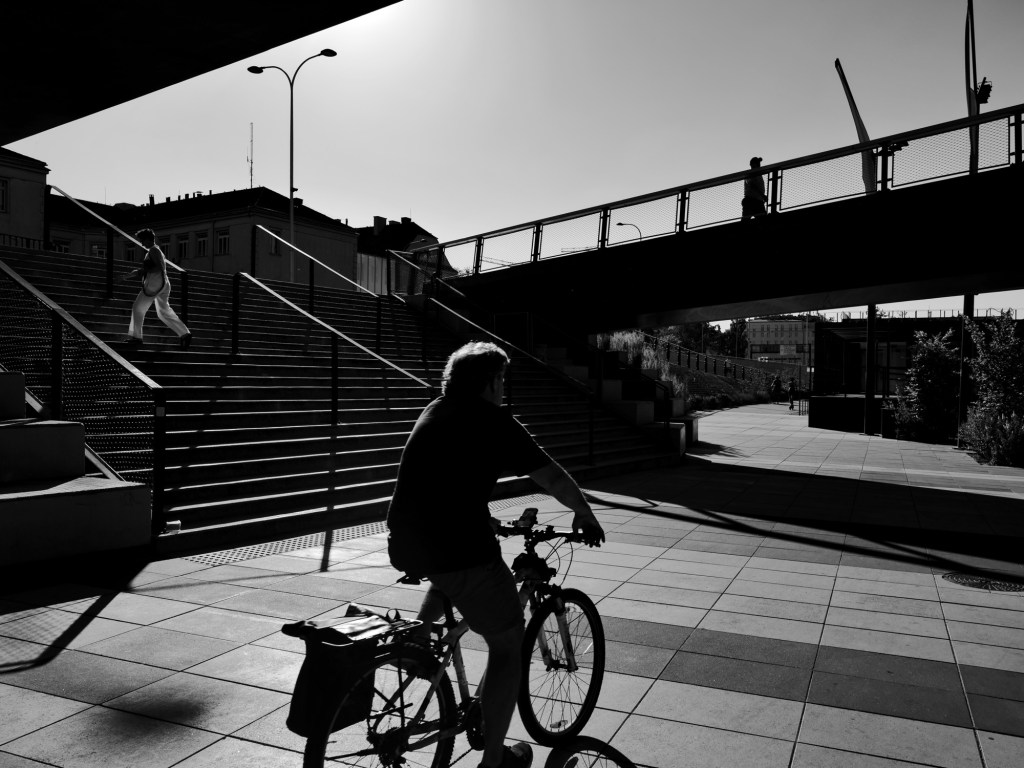
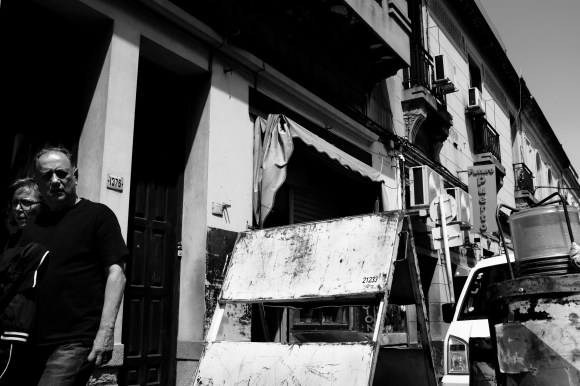
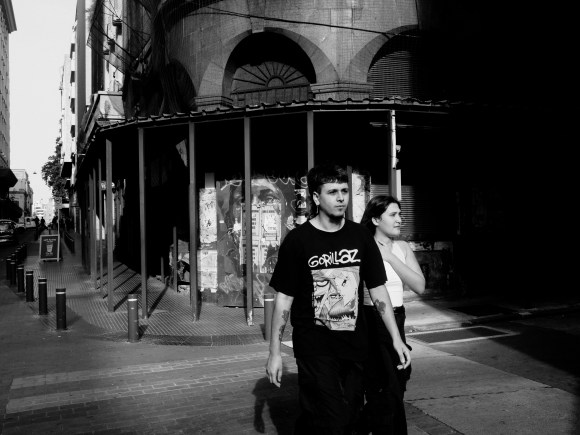
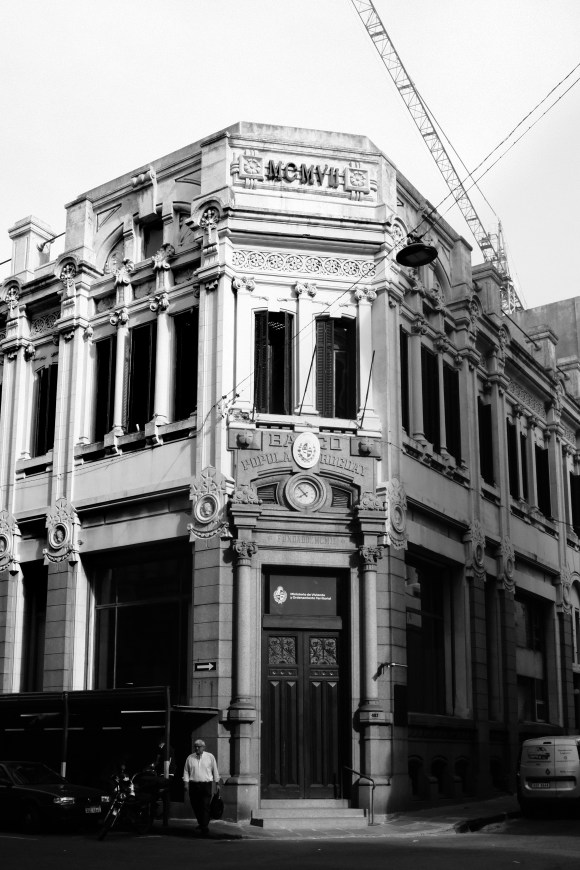
Snippets of Montevideo was made in November of 2025 while having just a few hours to make images and remember the light that was falling on the city and its people. The story it tells is merely that of light and people at a given time – a few hours that people were illuminated with the energy of the sun, radiating that light back onto the camera sensor that has frozen milliseconds of their life.

Montevideo, Uruguay, 2025
Soriano & Andes, Montevideo, 2025
Soriano & Julio Herrera Y Obes, Montevideo, 2025
Guarani & Washington, Montevideo, 2025
Montevideo, Uruguay, 2025
25 de Mayo & Zabala, Montevideo, 2025
Av 18 de Julio & Julio Herrera y Obes, Montevideo, 2025
Convencion & Avenida 18 de Julio, Montevideo, 2025
Rio Brance & Avindia 18 De Julio, Montevideo, 2025
Avenida Italia & Eduardo Victor Haedo, Montevideo, 2025

All images made using a Fuji x100F or an iPhone 17 Pro, and lightly edited using Darkroom and/or Apple Photos. This series was first published on Glass.

About Me

Christopher Parsons an amateur Toronto-based documentary and street photographer, and has been making images for over a decade. His monochromatic photographs focus on little moments that happen on the streets and which record the ebb and flow of urban life over the course of years and decades.

His work often tries to capture the urban landscape from unfamiliar perspectives and routinely focuses on attention to small and transient details of his environments. Rather than pursuing individuals on the streets he focuses on the backdrops of the urban environment and how subjects live their lives passing through them.

His work has been highlighted on Ted Forbes’ YouTube Channel, The Art of Photography, on the Photowalk Show podcast hosted by Neale James, as well by the Glass social media platform.

Outside of photography, Christopher has worked on high-profile national and international privacy, data security, and national security issues. He is currently employed at a government data privacy and transparency regulator.
Categories
Photography

Reflecting on My Photography Contest Submissions

When listening to photography podcasts, it’s apparent that photography contests are deeply polarizing: some see them as effective ways to share work, while others view them as generally not credible ways of presenting it.

For myself, the act of submitting work to a contest provides a focused opportunity to review it and think about it more deliberately than is typical. I’m not often staring at one of my images and trying to determine what it is actually communicating. The act of such reflection is, in my mind, worth the cost of admission in its own right.

Over the past few months, I’ve submitted to a couple of contests. Below, organized under their respective names, I share the photos and how I described them.

Categories
Photography Writing

Using Moriyama’s Style Without His Philosophy

(Augusta & Baldwin, Toronto, 2026)

I don’t use my Ricoh GRiiix all that much but, decided to take it with me while out with my partner and shoot in its hard contrast profile that mimics Daidō Moriyama’s style.1

He’s one of my favourite photographers; while I really like his images, it’s the philosophy underlying them that truly attracts me. His use of “are, bure, boke”, which is often translated as “grainy/rough, blurry, out-of-focus,” was, in part, an aesthetic opposition to the European photojournalism style. This style tended toward a more realist presentation of the world. What he developed wasn’t just a visual style, but a way of seeing and positioning oneself in relation to the world writ large.

I’m…not shooting with Moriyama’s philosophy. I approach image making from a different perspective that lacks his particular philosophical guidestones. And so this image is experimental, for me, but the experiment is this: what is it like to use a photographer’s so-called “style” that is really an outward (and visually manifested) expression of their values and positionally, when making one’s own images?

This isn’t an image that will do much aside from torturing a few electrons to position bits in this way or that, and only to be seen by a handful of people. But as an experiment in a way of making an image, I find it deeply uncomfortable.

My discomfort stems from this mode being available on Ricoh cameras at all. Specifically, it seems to reduce a so-called “style” — which is really a philosophy — to a selectable profile in a camera. To me, this results in a flattening of what was originally a deliberate and mindful photographic practice, with the effect of subverting or consuming a way of making images and entirely eliding the rationale that undergirds this “style” in the first place.

My perception doesn’t extend to profiles that replicate film stocks, since photographers have historically used film stocks in highly individual ways. But Moriyama’s way of making images was distinctive, and this mode feels uncomfortably close to reproducing that specificity.

I know that many people love the hard contrast mode on Ricoh cameras, and can make really beautiful images with it. But it feels uncomfortable to me, and I don’t see myself using it very often going future.


  1. This blog is developed from an earlier, and shorter, analysis of this experiment on Glass. ↩︎
Categories
Photography

Automate Screen Brightness for Photography Apps

Several years ago I posted about a “Glass Time” shortcut. When activated it opened the social media application I use to post and view photography — Glass — and then increased the brightness to 100%. The intent was to ensure I was looking at images closer to how the photographer intended.

The only issue was that I needed to remember to activate the shortcut instead of opening the application itself. This worked but was a bit clunky, and so I’ve created a more pleasant way to achieve the same thing.

Enter some Apple Shortcuts and Automations.

Mission Statement

I wanted my screen brightness to jump to 100% whenever I opened Glass or my photo editor (Darkroom) and then drop back down to 50% once I closed them.

Components

To make this work I had to create Apple Shortcuts and Automations. The shortcuts handle the brightness setting and the automations tell your device when to run those shortcuts. Specifically, I needed an:

  • Apple Shortcut that, when activated, increased the screen brightness to 100%
  • Apple Shortcut that, when activated, reduced the screen brightness to 50%
  • Apple Automation that triggered 100% brightness when opening Glass, and a separate Apple Automation that did the same thing when opening Darkroom.
  • Apple Automation that triggered 50% brightness when closing Glass, and a separate Apple Automation that did the same thing when closing Darkroom.

Building and Linking Components

The process for creating the various components was very easy. To create the underlying Apple Shortcuts:

  1. Open Apple Shortcuts
  2. Tap/click the “ ” button, and in the search bar search for “Set Brightness”
  3. Set the Brightness slider to 100%. Modify the name of the shortcut to something like “Set Brightness 100%”.
  4. Create a second shortcut the same way, but set the slider at 50%. Name the shortcut something like “Set Brightness 50%.”

To create the automations to trigger the different screen brightness levels:

  1. Open the main screen of Apple Shortcuts.
  2. Tap/click “Automation” on the menu bar.
  3. Tap/click the “ ” button to create a new automation. Select “App” in the menu, choose either Glass or Darkroom (or another application of your preference), and the radio button “Is Opened.” Have the automation run immediately. Tap/click “Next”.
  4. In the next screen, scroll to find your Apple Shortcuts “Set Brightness 100%” in “My Shortcuts.” Your automation is now completed and the brightness will go to 100% when opening the relevant application.
  5. Repeat steps 1-4, but modify the radio button chosen in step 3 to “Is Closed”, and in step 4 choose the “Set Brightness 50%” shortcut.

Limitations of Automations

Your Apple Shortcuts will sync between all of your Apple devices through iCloud but this will not occur with your Apple Automations. This means that you’ll need to repeat the automation steps on all of your devices that you want the automation to activate on.

Categories
Photography Writing

The Beauty of the Everyday

I really liked Robin Wong’s reflection on why he keeps returning to the same streets to make his images.

the beauty of doing the same routines, walking the same paths is the familiarity of the location, and you know every turn and corner, you know the details inside out, so you can be prepared for the unexpected. That is also the exciting part of shooting on the streets, you will find something unusual, something you will not know will happen beforehand, and the surprise is worth the redundant process of walking the same streets all over again. […] It isn’t about finding something completely new or extra-ordinary to shoot but finding beauty in the most ordinary settings and make it worth clicking your shutter button for.[^ Emphasis added.]

Like Wong, I’ve found that familiarity can sharpen my eye. Because I walk the same places regularly, I’m able to find the images I do. Having seen the same scene hundreds of times, I can tell when something has changed or that there’s some novelty in the scene that’s before me.

To some extent I think of regularly seeing the same scenes a little like drinking whiskey. At first, whiskey just tastes hot and spicy; any differences seem more theoretical than real. But over time you notice subtle nuances and also detect rarified variances between what you’re enjoying. And you can get excited over little things that really aren’t apparent or distinguishable to someone that hasn’t built up the same kind of palate.

When you walk the same streets over and over, you develop your own sense of what should and shouldn’t be there. You can detect what’s normal or novel. By training your eye on these common spaces, you develop your style. If you need to find something novel in the same place over and over, you’ll develop a unique way of seeing the world, whereas if you’re always seeing a new place you don’t need to stretch in quite the same way — you don’t need to push yourself to develop your sense of what is visually interesting to you.

All of which is to say: from afar, street photography can look pretty dull or boring because there’s a lot of repetition. It’s exactly this repetition, however, that helps you discover the kind of photographer you are.

Categories
Photography Writing

Supporting Artistic Creativity

Back in February 2022, I made a commitment to myself. I set out to add a bit more positivity to the internet by reaching out to writers whose work inspired me, or photographers whose images resonated with me. I wanted to thank them for their efforts and let them know their work was appreciated.

Recognizing People Matters

It is all too common for people to move through life without peers, friends, or family recognizing the importance of their work or the ways they’ve shaped others’ lives. In my personal life, it was only after my father died that many of the kids he’d mentored reached out to me to share how he had positively affected the course of their lives. His Facebook feed was filled with comments from people who had benefitted from his generosity and kindness. But I was left wondering: had they ever told him directly about his impact? And if they had, might he have avoided his death of despair?

And I’ve seen the power of professional recognition–and felt the cost of its absence. Years ago, after a major project wrapped up, I realized I had forgotten to recognize the exemplary contribution of a junior staff member. I went back into the room to point out how critical their work had been. That small moment of recognition, as it turned out, had a profound impact on their career trajectory. And it was only after I left my last professional job that people contacted me from around Canada about how the work I produced had influenced them, their practice, and their thinking. I’ll be honest: when I left that job, I felt like I’d been writing into a void. Almost no one ever directly recognized the work I was producing or the value they placed in it.

Recognizing Creatives

On Glass, I try to leave a couple of comments on other photographers’ work each month. Sometimes those comments are short, like “Love the composition!👏👏👏 ,” or “Great use of tonality across the frame! 👏👏👏” Other times, when I have more bandwidth, I write longer, more substantive reflections on what I see in their images.

I think this kind of recognition matters. Too often, we wait until it’s too late to share it. Positive, explicit recognition can motivate people who may not have received much encouragement otherwise. It’s one of the many reasons why I support Neale James’ Photowalk Podcast and the community of kindness that he fosters with every single episode.

Lately I’ve been thinking about how to take this further. For me, the next step has been to begin collecting prints or zines from photographers whose work or practice I deeply admire. I’m not buying prints from the famous names you see in galleries–no Martin Parrs for me!–but photographers working in niches that speak to me. Owning their prints feels special. It’s not just me saying “great work,” it’s me saying, to them, “I value this enough to want it in my home.”

Ownership is a Kind of Intimacy

There are practical challenges with purchasing other people’s work. As we know, shipping expenses, cost of making physical artefacts, and the economic realities facing both buyers and artists can impede purchasing other creatives’ work. We can’t all afford to purchase prints regularly. But even buying one piece every year, every few years, or even once a decade can make a meaningful difference. It’s a way of supporting creativity and giving artists recognition that lasts.

What’s powerful about this isn’t only the financial support. It’s the intimacy of having someone’s work become part of your everyday life. Unlike a gallery exhibition, which is temporary and public, a print hanging in your home or office is permanent and personal. It shapes the space you live in, and every time you see it you’re reminded of the artist and the respect you have for their work.

That, to me, is one of the most profound ways we can support and recognize each other as creators. It’s something that I continue to do, and I appreciate the works of others that I have the privilege of viewing on a regular basis.

In closing, if a creator’s work inspires you then I’d strongly encourage you to leave a comment, send a note, or even consider acquiring a print. It might mean more than you know.

Categories
Photography Reviews Writing

An Amateur Photographer’s Mid-Term Review of the Leica Q2

Black-and-white street crowd at Yonge–Dundas; older woman adjusting hood, masked pedestrians, large bank ad billboard behind.”
(Yonge & Dundas, Toronto, 2024)

I’m an amateur Toronto-based documentary and street photographer, and have been making images on the street for over a decade. In the fall of 2023 I purchased a used Leica Q2. I’d wanted the camera for a while, but it wasn’t until late 2023 that I began running into situations where I’d benefit from a full-frame sensor. Since then I’ve been going out and making images with it at least once a week for hours at a time and have made tens of thousands of frames in all kinds of weather.
In this post I discuss my experiences using the Leica Q2 in a variety of weather conditions to make monochromatic JPG images. I tend to exclusively use either single-point autofocus or zone focusing, and either multi-field or highlight-weighted exposure modes, generally while using aperture priority at 1/500s to freeze action on the street. My edits to images have, previously, used Apple Photos and now rely on the Darkroom app on my iPad Pro. You can see the kinds of images that I’ve been making on my Glass profile.
Categories
Photography

“Humanity”

Each month or so, the Photowalk podcast has been choosing a single term to inspire photographers to consider when making images. The March term was “humanity”, and my submission follows.

Yonge & Gloucester, Toronto, 2025

Text for entry:

The image can be read as speaking to the stature of man, and the forces that rise above him spiritually and physically, while living a life of being downtrodden and isolated. In a well-populated urban capital our subject is left alone with himself, save for weather damaged urban art that gestures to imagined better times and the eyes of his transitory documentarian in front of him.

He notices neither. 

Categories
Photography

Top 10 Photos of 2024

I’ve enjoyed a particularly productive photographic year during which I’ve (mostly) acclimated to the Leica Q2 and used it to shoot almost exclusively in black and white, and usually in the city of Toronto.

Narrowing everything down to 10 images was challenging given that I have gone out weekly throughout 2024 to make images and kept thousands of them. The images in this series hold up on their own while, also, developing a narrative when read beside one another.

Gerrard & Galt, Toronto, 2024

When was this photograph taken? 2024 or 1964?

The use of black and white has the effect of confusing the viewer of the image’s temporality. This is accentuated by the sign in the photograph being from another generation. Adding power to the image are the two figures who are wandering through the early January snow, with the young woman looking down and over to the city’s garbage, and the little boy looking up past the trash to the graffiti on the wall. This speaks to the hopes and ambitions of youth and the practicality of maturity, while they are both literally passing by the abandoned garbage of the day.

This was one of the first images that I made of 2024 and it remained amongst my favourites throughout the year.

Shuter & Yonge, Toronto, 2024

What is this woman so focused upon? How much has she seen during her lifetime and how shadowy are those memories?

Throughout the year I’ve spent time seeking out images that rely on reflections to strengthen the environment around the main subject(s) of photographs. The woman’s white hat and mask made her stand out through the windows, and then play nicely with the shadowy figures reflected in the glass. It’s this juxtaposition that brings the image to life in my eyes.

Crescent & Cluny, Toronto, 2024

What does it mean to be an inhabitant of a major city?

This photograph shows the city from a different perspective than is typical of Toronto street photographers who are making images in the core. Still, the image captures ever present aspects of city life: mass transit, rapid development, and the isolation and anonymity of the residents as they move through their day.

I’ve been coming to this particular subway stop to make this image for 5 years. After years of visiting the same location I finally got the light, subject, and subway where I wanted them at the same time.

Centre & Edward, Toronto, 2024

What did Toronto look like during its process of being built up in the contemporary era?

We are in a time of building but there are relatively few organic photographs that are deliberately capturing this development. Like images of old this photograph speaks to the relationship of people and the city that is growing (or metastasizing) around them.

Toronto is rapidly building density in its core. I’ve worked throughout the year to incorporate construction into my street images while, also, seeking elevated heights to capture the city’s transformation. The lines across the image draw the eye upwards and the construction worker on the railing serves to underscore the size of the development.

Yonge & Dundas, Toronto, 2024

Well hello, madame – what gave you your sense of style?

The Saint Patrick’s Day parade is a major event in Toronto. I’ve been photographing it for years and regularly march in it to make images of the crowds. I like how the woman in this photograph is almost posing in her winter jacket — it gives her a sense of elegance and self-importance — while, above her, the sign suggests that she is happy and ranked #1. But it’s the man who is looking on at the right-hand side of the frame adds a degree of electricity to the image with his dourness in contrast to the woman’s more positive energy.

College & Clinton, Toronto, 2024

Someday in the future will we be amazed at the low cost of a veal sandwich or beverage?

This is one of those images that works, in part, because the ordering of the image isn’t quite right: the subject is looking away from the rest of the signs, which encourages the reader of the image to go from left to right which isn’t typical in Western culture. I also like his expression and how the contrast in the image draws the eye through the items for sale at the festival.

Dundas & Dufferin, Toronto, 2024

What’s happening here? What do you feel when you’re so close to this slightly obscured woman and her side-eye staring companion?

Like many street photographers, I try to make use of graffiti and other temporary art in the city when making images. I like how this image somewhat conceals the look that the older woman is giving the viewer, at the same time as she is getting a side eye from her companion. The contrast through the image also serves to create an effect foreground, middle, and background.

Great Lakes Waterfront Trail, Toronto, 2024

So this is summer! Children playing in the mist while the city towers above them, and a bird flees the city towards some less inhabited region.

This image captures the idealized life of being in the city, where people come out from their ever-growing towers to relax and play together. It is also one that hides the actual subjects, themselves, and in so doing conceals the participants in this space. Is this a playground of the elite’s children or a communal space used by all inhabitants of the city? For those who live here the answer is apparent but otherwise a degree of mystery may remain concerning the socio-economics of the subjects.

Ontario & Princess, Toronto, 2024

Swings let us throw our hair back and play with our suspended bodies while soaring above the ground; we enjoy a kind of freedom that is in opposition to our normal land based experiences.

Every year I go to the CNE’s Exhibition and get a little more comfortable looking for scenes to make images. This year I spent a bunch of time at this ride, and I think that this image captures the carefree playfulness that’s associated with the summer fair.

Baldwin & Augusta, Toronto, 2024

What is it like to be alone in the city and reflect on what once was, and what could become?

Like the first image in the set, this photograph conveys a sense of solitude in Canada’s largest city while also hearkening to a time past. Because this image is monochromatic it establishes a degree of ambiguity as to when the image was made and thus provides a sense of balance to the collection of images.


All of my images are located by city cross-streets and are are lightly processed using Apple Photos. I post new images daily to Glass.


Artist’s Statement

Christopher Parsons an amateur Toronto-based documentary and street photographer, and has been making images for over a decade. His monochromatic photographs focus on little moments that happen on the streets and which record the ebb and flow of urban life over the course of years and decades.

His work often deliberately plays with the temporality of built environments and photographs themselves, and regularly uses temporal ambiguity to entice viewers into questioning what happened prior to, and following, the pressing of the shutter button.