
Categories
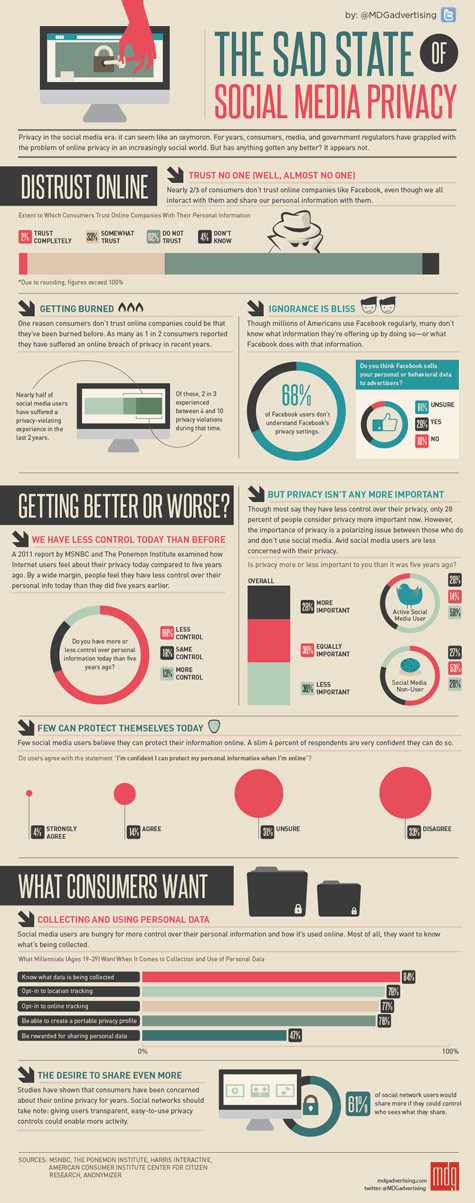
I left Facebook a long time ago, before many of the current realities of that ecosystem. Rushkoff didn’t leave for the same reasons I did (which stemmed from philosophical conceptions of temporality, time, and privacy) but his reasons echo those I keep hearing from undergrads. It isn’t just that Facebook isn’t ‘cool’; they’re spending less time on the site because the company is increasingly seen as manipulative, secretive, and portrays users in ways antithetical to how the users perceive themselves.
What is perhaps most concerning is what will happen to all the data the company has amassed if/when it implodes like MySpace did. What if, in five or seven years, Facebook effectively closes shop: who will get the mass of data that the company has collected, and how will they subsequently disseminate or manipulate it? It’s this broader concern about long-term use of incredibly intimate data that leaves me most leery of corporate-hosted social media platforms, and it’s an issue that I really don’t think people appreciate. But, then, I guess not a lot of people really remember the dot com crash…
Social utopians like Haque, Tapscott and Jarvis are, of course, wrong. The age of networked intelligence isn’t very intelligent. The tragic truth is that getting naked, being yourself in the full public gaze of today’s digital network, doesn’t always result in the breaking down of ancient taboos. There is little evidence that networks like Facebook, Skype and Twitter are making us any more forgiving or tolerant. Indeed, if anything, these viral tools of mass exposure seem to be making society not only more prurient and voyeuristic, but also fuelling a mob culture of intolerance, schadenfreude and revengefulness.
Andrew Keen, #digitalvertigo: how today’s online social revolution is dividing, diminishing, and disorienting us
You see, the thing about humans is that we have a really short attention span, and really bad memories. It’s actually hard for me to remember a time before I had a phone that could effectively replace my entire computer in most situations. A phone that I could make video calls from from any spot in the world, one that would let me log into our team’s IRC channel while on the floor of a major media event in any city and communicate with our whole staff. A device that was small enough to fit into the front pocket of my arguably-too-tight jeans that would let me connect and share my most important thoughts about developing news and world events — in real time! — with millions of people at once. A device that would underpin and enable modern social movements and political revolutions, generally shrink our sense of the size of humanity, and mesmerize and delight almost everyone who used it.
Joshua Topolsky, “Reasons to be excited”
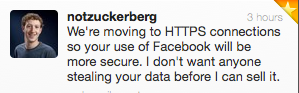
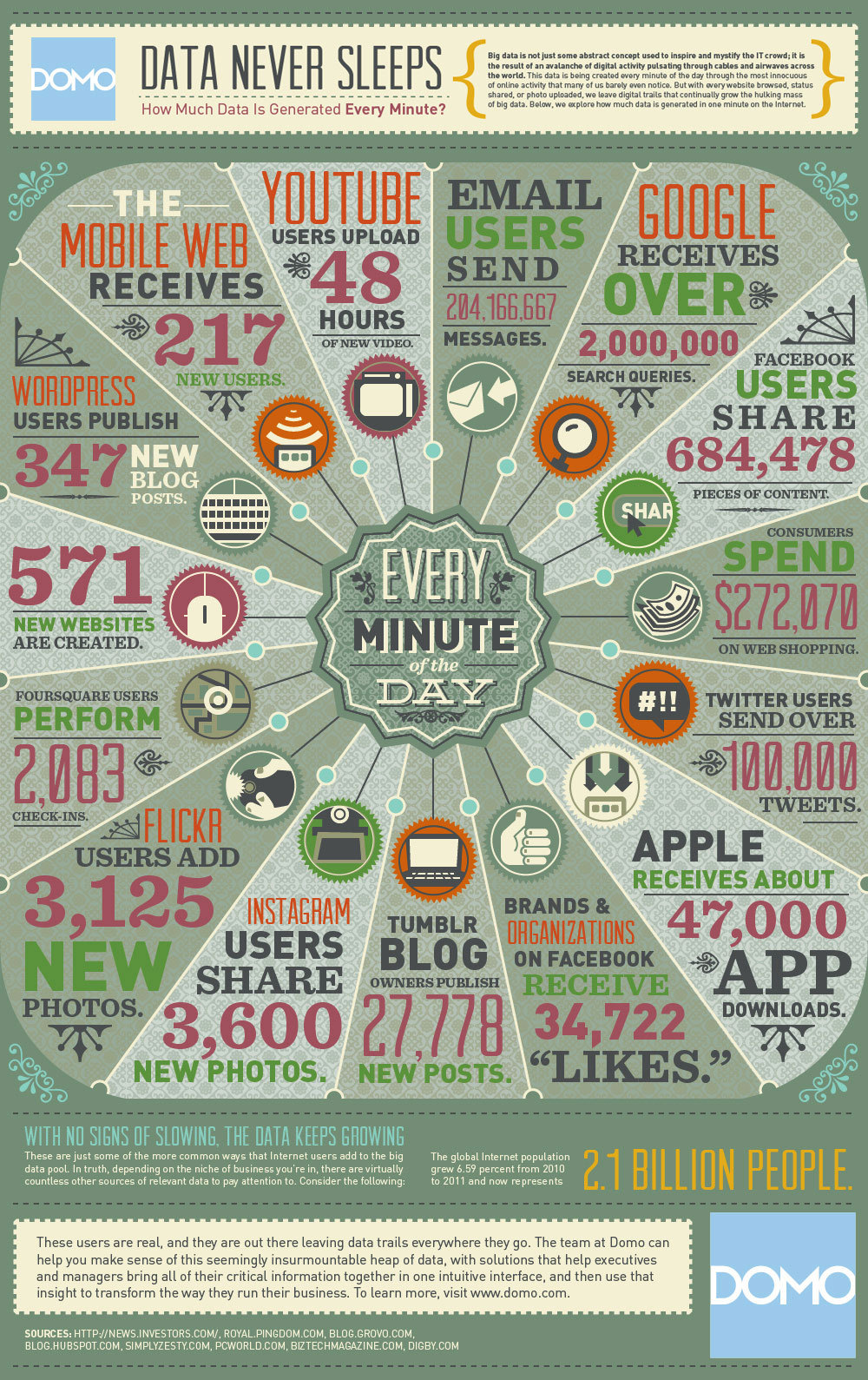
How much media is generated every minute
There genuinely are bad people in the world, individuals and agents who largely exist to cause serious harm to citizens around the world in democratic states. These individuals cannot, however, be permitted to destabilize an entire population nor operate as reasons for totalizing mass surveillance. In the UK an incredibly senior and prominent security and intelligence expert, Sir David Omand, has nevertheless called for the following:
In a series of recommendations to the government, Sir David – the Cabinet Office’s former Security and Intelligence co-ordinator – said out-dated legislation needed to be reformed to ensure an ethical and legal framework for such intelligence gathering, which was clear and transparent.
The report recommends that social media should be divided into two categories, the first being open source information which public bodies could monitor to improve services while not identifying individuals without permission.
On the more contentious category of monitoring private social media, Sir David said it needed to be properly authorised – including the need for warrants when it was considered “genuine intrusion” – only used as a last resort when there was substantial cause and with regard to “collateral damage” to any innocent people who might have been in contact with a suspect.
It must repeatedly, and emphatically, be stated that ‘transparency’ in the intelligence world does not mean that citizens will actually know how collected data is used. Neither does codifying surveillance practices in law minimize citizens’ concerns around surveillance. No, it instead operates as a legal shield that protects those engaged in oft-times secretive actions that are inappropriately harmful to innocent citizens. Such changes in law must be incredibly carefully examined by the public and opposed or curtailed whenever there is even the slightest possibility of abuse or infringement of citizens’ reasonable normative expectations of privacy from state intrusion and surveillance.
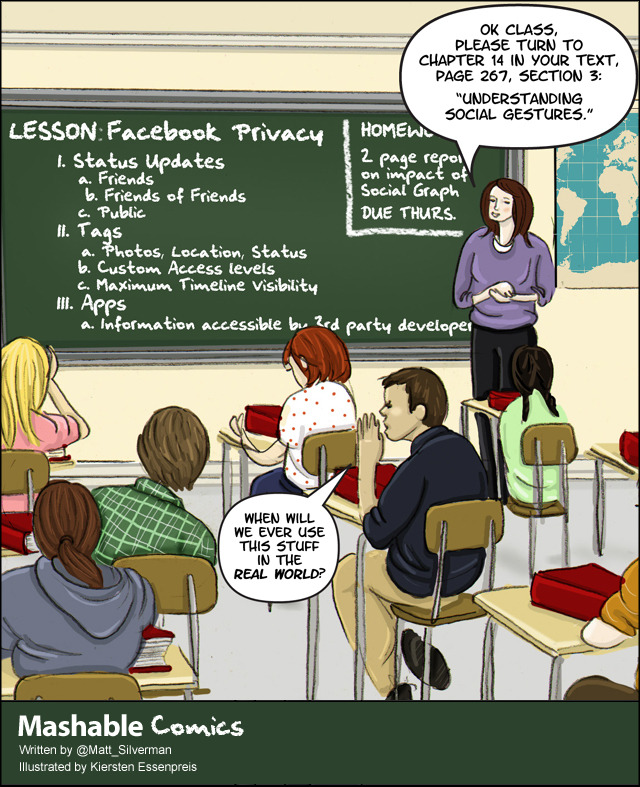
Lesson: Facebook Privacy

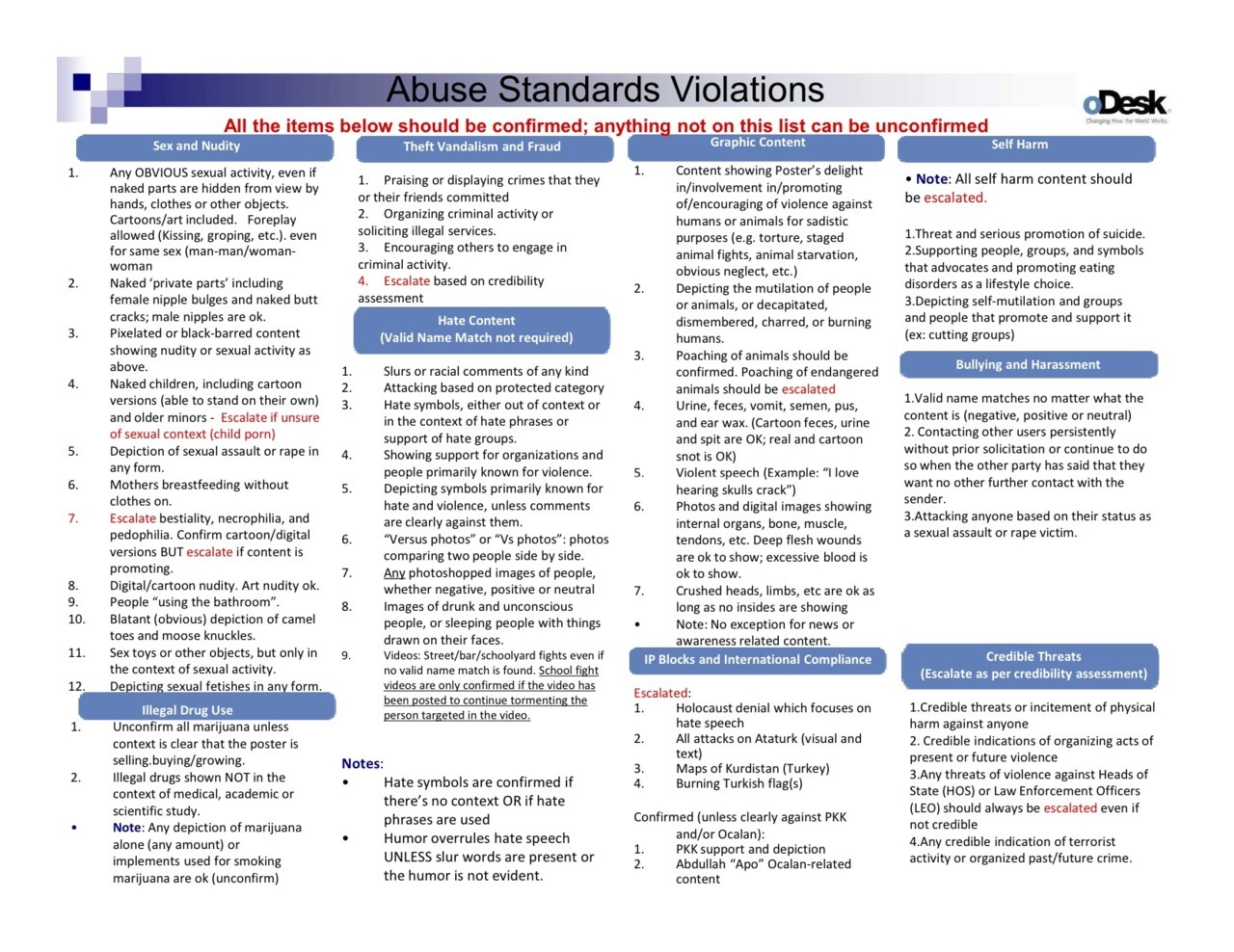
I’ve tried to think of something comprehensive to say about the Facebook censorship rules for a few days now. I still don’t have something that really captures how absurd and offensive many of the items listed are. So, rather than give a holistic analysis of the document, here are a few thoughts:
Sex and Nudity
Hate Content
Graphic Content
Credible Threats
Those are some of my thoughts about this particular document. There are others that are still crystallizing and once/if I develop a full thought about the document I’ll be sure to post it.

 Excited Pixels