Categories
Links Photography

Best Photography-Related Stuff of 2024

It’s the time of year for people’s best-of roundups. Like last year I wanted to recognize stuff that meant a lot to my photography through 2024. And, this year, I’ve also added a short list of hopes for stuff in 2025!


Photography Stuff I Used

Yonge & Dundas, Toronto, 2024

Best Technology of 2024

The big change this year? I pretty well completely pivoted to my Leica Q2 and with only rare exceptions did I use the Ricoh GR IIIx or my iPhone 14 Pro. When I bought the Q2 it was, in part, to be able to capture images at night where there was little light. I’ve made images under these conditions that I’m happy with and I’ve come to learn how to better use the 28mm focal range. At this point I’ve created well over ten thousand frames over the year.1

I upgraded to the 11” iPad Pro (2024) and definitely appreciate how light the device is, and how vibrant the screen is. I continue to use an iPad Mini for most of my actual reading but write a lot of blog posts on the iPad Pro and do all my photo editing on it.

When I take my photowalks I’m always listening to a podcast or music on my AirPod Pros. However I’ve long had an issue with finding tips that best fit my ears; the ones in the box always slip out. I recently learned about, and bought, the SpinFit CP1025 (S/SS) and they’ve been game changing. I get a perfect fit and the AirPods stay in my ears. Highly recommend them!

Best Services I Paid For

I continue to post images to Glass each day. I’m still disappointed with their AI search, and especially disappointed that landscape viewing on the iPad has now been broken for about a year.2 Still, it’s a terrific community and a good place to post images regularly.

Apple One is key to my data management strategy. I’m still under the 2TB that is provided as part of the subscription though, with my current data use, I suspect that in 3-5 years I’ll need to expand that 2TB storage limit.

Lastly, while I’ve watched less photography YouTube I continue to appreciate YouTube Premium. It’s still about the most regularly used subscription service that I use on a regular basis.

Best Apps

Have I changed the apps that I rely on regularly since 2023?

Nope.

And so my best apps of 2024 include:

  • Glass: I use to share my images on a daily basis.
  • Geotags Photos Pro and Geotags Photo Tagger: I use to add geotags to my images.
  • Reeder Classic: To follow various photography blogs.
  • Apple Podcasts app: I use this to listen to photography podcasts while on my weekly photowalks.
  • Apple News: To read photography magazines and websites that otherwise would be paywalled.
  • Apple Photos: Used to edit and store all my images. I don’t love the iOS version of the application but it is what it is.

Stuff I Made

College & Clinton, Toronto, 2024

Writing

  • Sharing Photographs, and Photography, with Others and Growing as a Photographer: Despite being pretty used to being in the public eye as a result of my day job it’s different to expose myself when sharing the images that I make. Those images, if read carefully, reveal some elements of myself that I showcase less often, and this is made even revelatory when producing and sharing physical items to people I respect or submitting digital images to competitions. Just talking about that experience was liberating and reaffirmed that I am, slowly, growing as a photographer.
  • Accidentally Discovered Street Photos: Imagine my surprise when, after opening my used copy of Conversations: With Contemporary Photographers a strip of exposed Kodak 100TX film fell out! I used a free app to enlarge some of the images and while my efforts weren’t spectacular it did result in seeing — and sharing — some images from an earlier time.
  • 10 Tips for Starting to Photograph on the Street: I regularly read and view content that is meant to help new photographers get comfortable on the streets. Much of that content is good but is directed towards a certain kind of concern, and way of behaving, on the streets (e.g., Zone focus! Shoot from the hip! Be invisible!). I think that my 10 tips are for people like me who are interested in making street photos but are shy about even being seeing with a camera. Really, this is a blog written for myself which, if I’d read it 10 years ago, would have given me a clearer sense of what I could do to develop my confidence and skills.
  • Nuit Blanche, 2024: I’ve been attending Nuit Blanche in Toronto, an annual art festival that runs for a single day from sundown to sunup, for many years. I always make photographs during it but, at the same time, have been challenged by using a smaller APS-C sensor camera. I was both pleased in the art that I experienced this year as well as the ability of the Leica Q2 to capture images more like how I wanted them due to its lens and sensor size.

Stuff I Read

Oxford & Augusta, Toronto, 2024

Best Photography Books and Magazines

  • Metropolis: I’ve followed Alan’s work for years and appreciate how stark his imagery is and his absolute attention to form. His images carefully consider what is absolutely needed to communicate his vision and no more.
  • Conversations: With Contemporary Photographers: This was probably the most important book about photography that I read this year. I’m, personally, interested in thinking more deeply about the ontology of photography and what it is and is not. The photographers interviewed in the book provided a range of interpretations of what photography is, and means, for each of them, and I benefitted tremendously from their thoughts on the medium as one which controls time and, also, the role of time in their own creative activities.
  • Framelines: The team behind Framelines improve the magazine with every issue. From enhancements to the printing, imagery, interviews and just shipping, this is an instant purchase each time they come out with new issues. I particularly appreciate how they celebrate new and emerging photographers from around the world and platform those who, otherwise, I’d be entirely unaware of.
  • André Kertész: Sixty Years of Photography: This book is a gift to photographers and the image-viewing public more broadly. Published back in 1978 it catalogues Kertéz’s photographic history. It is when we look at images like this that it is apparent how much you can do with black and white images that are focused on the forms across a frame, and also how having decades of images enable a playfulness between pages so that works from different decades can speak to one another and create a perception of continuity across time and space. If you are committed to street images, black and white images, or just seeing how history unfolded over sixty years, then this book is a must see.
  • The Pleasure of Seeing: Conversations with Joel Meyerowitz on sixty years in the life of photography: Joel is, of course, a (still living) legend and has a number of different monographs under his name. This book is a little different because it explores his thought process across the different phases or eras of his photography. Now, if you’ve actively listened to his talks, interviews, podcasts, and so forth over the past decades many of the messages he communicates will be familiar. But to have them all in one place, along with his images that underscore his creative vision, is a real gift to photographers.

Stuff I Watched

Great Lakes Waterfront Trail, Toronto, 2024

Best Movies

  • Lee: This was an engrossing and highly cinematic movie. I liked how it conveyed the experiences that female photographers and journalists experienced during the time period and, also, communicated the toughness of Lee Miller and the harmful effects of being a war photographer more generally.
  • Harry Benson: Shoot First: I thought this was a terrific documentary of Benson who has made a living capturing images of celebrities. The images are profound but, also, you walk away with a sense that he lacks much empathy for his subjects. The inclusion of those who love his work, and those who hate it, helps to communicate what a controversial figure Benson has been throughout his life and career.

Best YouTube Channels

  • Paulie B: Almost certainly one of the most important American street photography channels, Paulie B has done a masterful job interviewing a range of photographers across the United States to understand what drives and inspires them. His episodes showcase photographers who may not be widely known, unpacks the creative processes of those he interviews, and also lets other street photographers really see how others work the streets. We’ve all heard about how the greats of the 1960s and 1970s worked; Paulie B is showing us how our American contemporaries move, think, and behave.
  • James Popsys: James is a quiet and almost introspective photographer, which are not necessarily the traits that lend themselves well to YouTube. However, his thoughtful meditations on how and why he makes images, combined with the sheer beauty of his work, results in each video containing a gem that is worth treasuring.
  • Photographic Eye: Some channels on YouTube focus on gear or technical methods of getting certain kinds of images. The Photographic Eye is not that. Instead, Alex Kilbee explains the intellectual processes of photography and speaks as a kind mentor or peer who is, also, working through his photography. I particularly like how he shares some of his own images so that viewers can appreciate the variety and intentionality behind image making.
  • The Art of Photography: Ted Forbes has been running his channel for over sixteen years at this point and made videos on just about everything that you’d ever want to know about. I find his historical episodes that break down, and showcase, the great photographers as essential to my own photographic education. And his episodes that showcase viewers’ own projects have led me to finding a range of photographers and purchasing work from them.3

Stuff I Subscribed To

Richmond & Spadina, Toronto, 2024

Best Podcasts

  • The Photowalk: I’ve been a supporter of the Photowalk for several years and it’s a regular joy and pleasure to hear Neale and his guests talk about the broader experiences of making images. The discussions rarely touch on gear and, instead, are centred around the ‘why’ of image making. Whenever I’m out on a weekly photo walk, I’m listening to Neale and recommend that you do the same.
  • Frames Photography Podcast: Frames features photographers from across the different photographic genres. Many of the discussions are insightful for understanding what is behind different photographers’ creative processes, what motivates their projects, and how they work to express themselves to the broader world.
  • Street Photography Magazine: Featuring street photographers from around the world, this podcast exposes how and why different people got into the genre, what they aim to present through their work, and the rationales underlying how they make their images. Many of the photographers who are interviewed talk about their recent, or ongoing, projects which serves to underscore the different ways in which projects are conceptualized and brought into the world.
  • The Candid Frame: Conversations on Photography: Operating since 2006, The Candid Frame features photographers from all walks of life discussing the how and why of their image making. This is particularly useful, for me, in learning about photographers working in genres entirely different from street photography and learning how their thought processes can apply to my own photographic life.
  • Street Life Podcast: This is one of the most recent additions to my list of podcasts and I’ve been enjoying every episode this year. It typically features photographers working in and around Australia and, aside from Houman Katoozi, I’m largely unfamiliar with folks working on that continent. The podcast often has a sense of friends talking amongst themselves about street photography and you’re just overhearing them as they joke with one another, talk about the Australian street photography community, and the challenges they’re facing in their own photographic activities.

Best Blogs/RSS Feeds

  • GR Official: As an owner of a few Ricoh GRs I’m always curious about how others handle and experience the camera. This blog features a range of authors, with a diversity of photographic backgrounds and personal experiences, which means that each blog is a bit of a surprise: is this going to be a more reflective piece, a showcase of just a few images, thoughts on a piece of equipment, or…?
  • Little Big Traveling Camera: I am always envious of how focused this photoblog is, how thoughtful the author is, and how well put together the images are. LBTC is, to my eye, the definition of what an excellent personal photoblog can be.
  • Mobiography: I don’t take a large number of mobile phone photographs but I appreciate learning how such images can be made. If nothing else, it showcases just how can be done with phones of today (as well as those of a decade or more ago) in the hands of competent photographers.
  • The Phoblographer: A regular publication that both showcases contemporary work while also engaging in some opinion and discussion about trends or issues in the photographic world.
  • Ming Thein: I owe a lot of what I (think I) understand about photography to Ming’s blog. He shuttered it several years ago but has kept it alive / in archival mode. I hope that it never goes away given how helpful and insightful his writing is for new and more experienced photographers alike.
  • Skinny Latte’s Creative Brain: I loved the photoessays that were published that exhibited gorgeous photography along with explanations and narratives to surround the images themselves. Sadly the photoblog has been left behind but the images and stories remain worth revisiting periodically.

Hopes for the future

Front & Bay, Toronto, 2024
  • Apple Photos: I just want it to reach parity with its Mac counterpart. We know that Apple has purchased Pixelmator and I’m hopeful that some of that DNA makes its way over to Photos.
  • iPhone Camera app: I’ll be honest, the new iPhones’ ability to better control and develop custom JPG settings along with the adoption of JPG XL are very exciting and make me look forward to whenever I upgrade from my iPhone 14 Pro. However, I really wish that Apple would bring additional exposure metering to the iPhone and, in particular, highlight metering for my black and white images. While there are ways to get around this on the iPhone it’d be nice if it was something they could do by default.
  • WordPress: I’ve been using WordPress for over 18 years at this point and it just seems to get more and more bloated. There are basic things that just don’t seem to be well developed, such as media management or the presentation of images, while a huge amount of effort has been put into turning WordPress into an enterprise CMS. I get that the company’s business is derived from its enterprise work but it’d be nice if basic features were also included in the priority product lists.
  • Leica Q2 Thumb Grip: In a late end-of-year purchase, I’ve ordered the ‘official’ Q2 thumb grip to further improve on the ergonomics of the Q2. Here’s hoping that I end up happy with it!

  1. Though, admittedly, I’ve kept far fewer after doing my regular culling. ↩︎
  2. Yes, I’ve contacted support. No, I never heard anything back. ↩︎
  3. In the interests of disclosure I was featured in one of the mailbag episodes for my Postcards project. ↩︎
Categories
Aside

2024.5.23

About a year or so ago I switched the theme on this blog. It was the first time I was really diving into a more visual front end, with featured images creating a neat visual aesthetic for each post. ​

It was cool but just didn’t align with how I make material for the web. I’ve been blogging since the late 90s and am very much an elder millennial, and still like some of those older 1 blog styles. So I’ve reverted back to a much more typical blog format that still displays photos acceptably.2

It’s just slightly above a lateral move, but does include some things that I like:

  • Anyone who accesses the website from the web will see full posts
  • A decent search option is at the top of the website
  • It’s hopefully more apparent how multi-level menus ‘work’

I’ve also gone through and cleaned up my tags once more. I did this about a year ago but another pass should make things more consistent. Really, the key value is in recommending related posts over anything else.


  1. Some could say classic or ‘retro aesthetics ↩︎
  2. And the current theme displays captions correctly….why is this such an issue for WordPress themes!?’ ↩︎
Categories
Aside Writing

The Future of How I Share Links

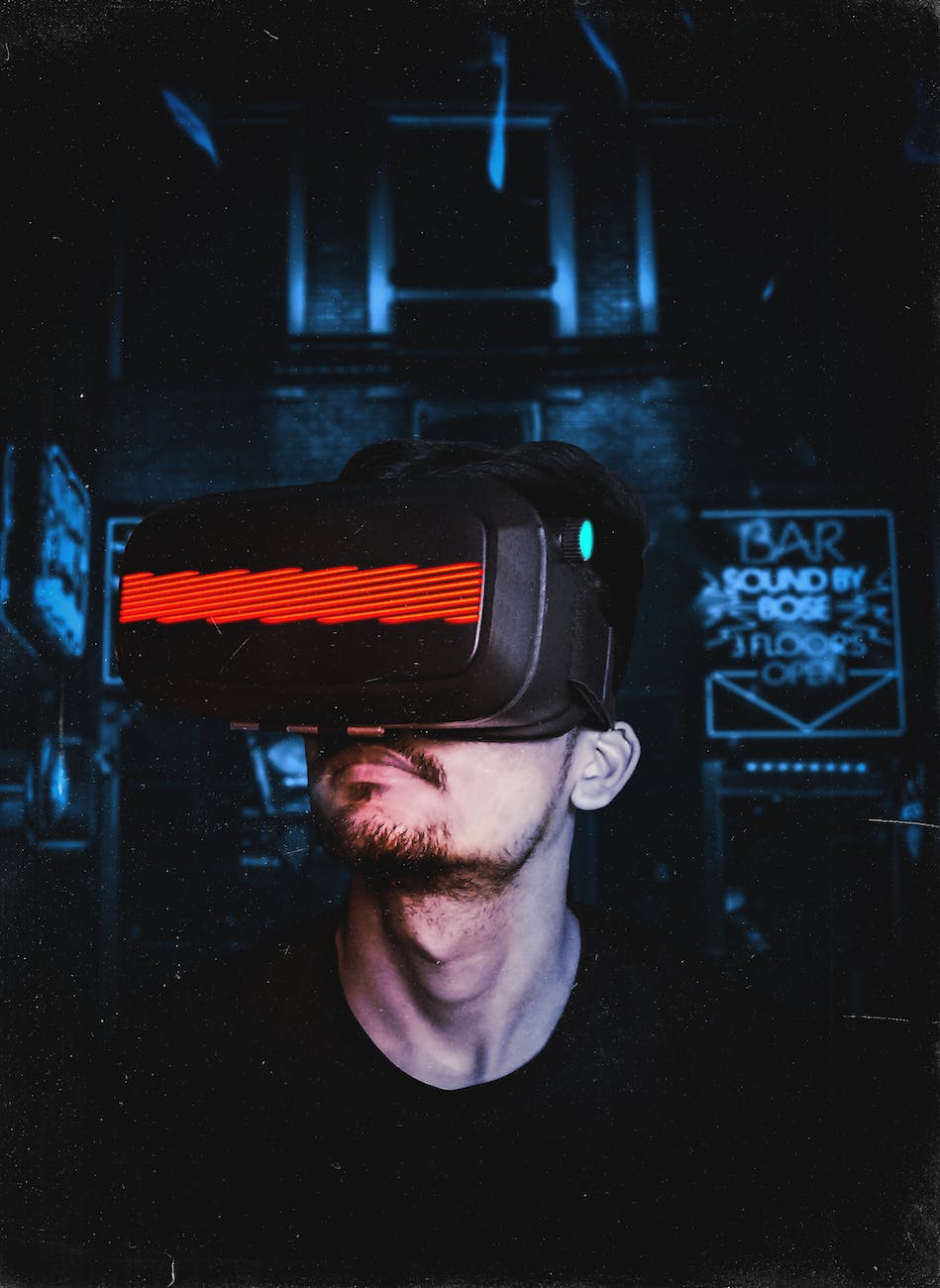
man wearing vr goggles
Photo by Harsch Shivam on Pexels.com

There’s a whole lot happening all over social media and this is giving me a chance to really assess what I use, for what reason, and what I want to publish into the future. I’ve walked away from enough social media services to recognize it might be time for another heavy adjustment in my life.

Twitter has long been key to my work and valuable in developing a professional profile. I don’t know that this kind of engagement will be quite the same moving forward. And, if I’m honest, a lot of my Twitter usage for the past several years has been to surface and circulate interesting (often cyber- or privacy-related) links or public conversations, or to do short-form analysis of important government documents ahead of writing about them on my professional website.

The issue is that the links on Twitter then fade into the digital ether. While I’ve been using Raindrop.io for a while and really love the service, it doesn’t have the same kind of broadcast quality as Twitter.1

So what to do going forward? In theory I’d like to get back into the habit of publishing more link blogs, here, about my personal interests because I really appreciate the ones that bloggers I follow and respect produce. I’m trying to figure out the format, frequency, and topics that makes sense; I suspect I might try to bundle 4-6 thematic links and publish them as a set, but time will tell. This would mean that sometimes there might be slightly busier and slower periods, depending on my ability to ‘see’ a theme.

The challenge is going to be creating a workflow that is fast, easy, and imposes minimal friction. Here, I’m hoping that a shortcut that takes the title and URL of an article, formats it into Markdown using Text Case, and then provides a bit of space to write will do the trick. This is the format I used to rely on to create my Roundup posts, though I don’t really expect I’ll be able to return to such length link blogs.

Update Nov 2023: I have really just leaned into sharing notable links using my through Raindrop.io RSS feed, especially as social media services have fragmented all around us.


  1. I have, nonetheless, created an RSS feed with mostly links to privacy, cyber, and national security articles. ↩︎
Categories
Photography Writing

The End of Blogs

(Observer by Christopher Parsons)

I’d been deliberately putting off reading Ming Thein’s last several blog posts. Not because I wasn’t excited but because they seemed to have stopped being published. I feared that either something had happened to him, or that the blog had reached an end. 

Fortunately he continues to do well. Sadly, his blog is done. 

Ming has been writing for a whole lotta years, and has focused his blog on photography writ large. There’s some gear reviews but the real thing I learned, and still learn, from his work is how to think more deeply about making images, about telling stories with them, and letting narratives emerge as years of images are collected, edited, and set aside until a time they should be made public. 

His explanation for ending the blog is, well, that he’d written everything. There was no topic he hadn’t covered, and he stated that:

… I’ve done enough thinking and dissection about how and why I shoot that the whole enormous mass has become intuitive – and I want to go back to applying that and shooting the things that interest me, for me, without feeling the need to create content for the entertainment of somebody else.

His blog isn’t alone—I was inspired to blog more than two decades ago by blogs and bloggers that are long-lost to the link rot of the Internet—but is the most recent of the sites that are just over. He plans to keep it alive and running for the foreseeable future but, as the Internet has taught us, it’ll eventually fade away from sight. 

On the one hand I’m a bit morose about this state of affairs, and feel like maybe our digital artifacts should just operate this way: as present, delightful, and ephemeral. But, on a more positive note, I guess I see it as an author hanging up their keyboard because a given work is concluded. As a professional writer I can appreciate and respect, and deeply understand, why that happens even as I wish the writing would just continue ad infinitum.

Categories
Links Photography Roundup Writing

The Roundup for April 23-27, 2018 Edition

Hidden Point by Christopher Parsons

I shifted over to this domain name, and WordPress environment, a little over eight months ago. In addition to moving multiple years of content I also committed to at least one post a week though, ideally, would post many more than that!

I’ve been largely successful with meeting those goals. As such, I’ve been able to maintain a regular personal writing habit. It’s also meant I’ve locked down some of my ruminations and thoughts so that I can reflect on them later on down the line.

However, there are some things that I’m not entirely happy with. First, I’ve been privately writing small ‘reviews’ of books and movies but haven’t gotten around to posting them here. Part of that is wanting to do them ‘well’ and the other reason is that I’m trying to decide if I should have posts and then a master page that links to the posts, or just posts, or just a page. But expect that to be figured out pretty soon.1 I also really like the idea of putting up a gear/software list of things that I routinely use, and want to steal an idea from a friend of mine who posts the podcasts that she’s really into at any given time. And I want to put some thought into developing a public blogroll, likely based on the RSS feeds that I consume, though I admit that I’m not entirely sure of the utility of blogrolls in this day and age.

The reason for contemplating these changes to some of the content and structure? Mostly because I think I can move more of my writing to this location; there’ve only been a few times that I thought I was getting too ‘close’ to mimicking the work on my professional web presence or private journal, and even then the tone was sufficiently different that it belonged here as opposed to those other locations. But I’m also motivated to modify some of the content here because I want what I write to be interesting and useful for other people; I often find that bloggers’ reviews and insights about the things they use are the only way that I discover the existence of certain tools, products, workflows, and cultural items. So I want to give back to others, just as they have freely given to me and everyone else who visits (or has visited) their sites.


I spent some time this week writing about a recent proposal to significantly weaken the security of the devices we carry with us on a daily basis. In short, I think that the proposal:

doesn’t address the real technical or policy problems associated with developing a global backdoor system to our most personal electronic devices. Specifically the architect of the solution overestimates the existent security characteristics of contemporary devices, overestimates the ability of companies to successfully manage a sophisticated and globe-spanning key management system, fails to address international policy issues about why other governments couldn’t or wouldn’t demand similar kinds of access (think Russia, China, Iran, etc), fails to contemplate an adequate key revocation system, and fails to adequately explain why why the exceptional access system he envisions is genuinely needed.

Device security, and especially efforts to weaken it, fundamentally raises technical and policy issues. Neither type of issue can be entirely divorced from the other, and it’s important to recognize that the policy issues are both domestic and international; failing to address them both, at the same time, means that any proposal will almost certainly have terminal weaknesses.


Inspiring Quotation of the Week

“Do not let anything that happens in life be important enough that you’re willing to close your heart over it.”

— Michael A. Singer

Great Photography Shots

The shots from this year’s Sony 2018 World Photography Awards are stunning. Here are some of my favourites:

“Untitled” from the series “Ex-Voto” © Alys Tomlinson, United Kingdom, Photographer of the Year, Professional, Discovery, 2018 Sony World Photography Awards

“Letter of departure” © Edgar Martins, Portugal, 1st Place, Professional, Still Life (Professional competition), 2018 Sony World Photography Awards

Music I’m Digging

Neat Podcast Episodes

Good Reads for the Week

Footnotes

  1. I suspect I’ll opt to a post-per-review, with them aggregated on a distinct page.
Categories
Quotations

The Web Has Lost Its Spirit

The Web has lost its spirit. The Web is no longer a distributed Web. It is, ironically, a couple of big tubes that belong to a handful of companies. Mainly Google (search), Facebook (social) and Amazon (e-commerce). There is an impressive Chinese line and there are some local players in Russia, Japan, here and there. Overall it has become monotonous and dull. What can we do?

There seems to be a weak undercurrent of old and young bloggers like us that feel sentimental or curious and want to bring back blogging. Blogging won’t save the world. But, hell, after two weeks now, we can confirm: it feels great to be back on the blogging line.

If you are one of those old or young bloggers, please join in. Drop Facebook, drop Twitter and drop Medium for original thought. Own your traffic. You can use them to engage in discussion. But don’t get lost in there. Write daily. Publish as often as you have something to say. Link to other blogs.

iA, “Web Trend Map 2018
Categories
Aside

2018.1.11

One of the things that I enjoy about this space is sometimes writing short aside posts (like this one). They don’t tend to delve deeply into whatever’s going through my head nor do they typically include a link to elsewhere on the Web. But for some reason I don’t really like the idea of them being published without a title. So I’m going to try associating the date with each aside-type post and see whether, over time, I want to expand or shrink this title scheme or, instead, keep it to the data posted.

Addendum: While my current theme may not show the date, at least for my own backend (and RSS purposes) the title will be present. I guess that’ll just have to be enough.

Categories
Links Writing

Om Malik on the Blog Post Bribe Scandal

He writes:

The chase for cheap page views to arbitrage against advertising dollars is the real reason everyone at this mega page view factories willingly embraced this trend towards free content, which in turn left the whole experiment open to abuse. If you generate a lot of page views for these sites, you aren’t going away, because, in the end, it is all about page views.

On my other, professional, site I regularly receive requests from marketers to publish their content for some sort of payment. Many are outlandish in their requests whereas others have clearly done their homework and identified a range of posts the given brand wants to be associated with.

Some of the payment rates or product offerings are outlandish, others churlish, but none of them have ever overcome my baseline position: I own my professional web presence in order to build my reputation and brand. That brand is worth more than a few hundred or thousand dollars; it represents, at least in part, my ability to earn money over the span of the coming decades.

While there’s been some comic back and forth about charging marketers tens or hundreds of thousands of dollars to post other parties’ branded content, I think there is legitimately something to the idea. If you view your web presence as a long-term part of your career, and damaging that presence could potentially cost you in terms of future employment opportunities or consulting prospects, then that kind of valuation starts to make some sense.

Categories
Aside

Migration: Accomplished

Since the summer I’ve managed to port over, and re-categorize, over a thousand posts from a previous personal blogging website (Quirks in Tech) that I hosted with Tumblr. While there’s still some stuff to do — fixing up the tagging structure as an example — I’m glad that the most laborious activity has come to an end!

Categories
Links Writing

The Role of Link Posts

One of the things that I’ve thought a lot about over the past few years are link posts. I’ve tried numerous different platforms and ways of sharing and commenting on links. And something that I’ve always appreciated are blogs that combine different forms of content (including link posts) along with something else to give them some unique perspective on the content of interest to their authors.

Gabe Weatherhead has recently written that:

It’s far too easy to grab a story headline streaming by and create a link post.

The reason I’ve walled off Macdrifter link articles behind Hobo Signs was because I wanted to clearly show that they weren’t my work. They are source materials. There is no guarantee I’ve reviewed them or even thought much about them. Sometimes I provide commentary but often they are just links.

I like link articles as much as the next person. But I felt disingenuous mixing those on a site that also provided commentary and opinion. It blurred lines I didn’t want to blur at a time when regurgitation looks like the successor to original content on the web. I don’t wonder why indie blogs are dying any more. Link posts are killing them.

I don’t think that link posts are necessarily killing indie blogs. I think that the problem is that indie blogs are often so replete with them that there isn’t a clear voice, narrative, or expertise associated with the comments on the links.

But link posts also raise the question about who blogging is for, and what we mean to do when blogging. Twitter and Facebook are fluid publication spaces: it can be impossible to see what you wrote on those platforms, about different topics, whereas its comparatively easy to retroactively see what you’ve written about on (most) structured blogging platforms. You can build a body of work that includes a shifting, or development, of thoughts and ideas over time. At the very least, you can turn Google search onto a blog and dredge up the various posts related to your search query to try to divine how your thoughts have changed over time. That’s next to impossible on more transient social media.

While commercial (or commercially-motivated) indie blogs might suffer from link posts I’m not convinced that such posts are kryptonite to personal blogs. And even for those which are commercially-oriented it’s not self-evident that link posts are bad: for the big indie blogs, the authors operate as tastemakers and news curators. They can quickly indicate their pleasure or displeasure where a fully review is unnecessary, or surface news of interest to them and their readers without requiring a detailed analysis of the issue at hand. Admittedly breaking news or entirely novel products may be ill served by such hot takes, but fast and short posts are routinely useful to their readership. The trick is to have a sufficiently interesting and authoritative voice that someone wants to read the author’s work in the first place. And that’s a space where most authors routinely struggle, indie writers or not.