Categories
Photo Essay Photography

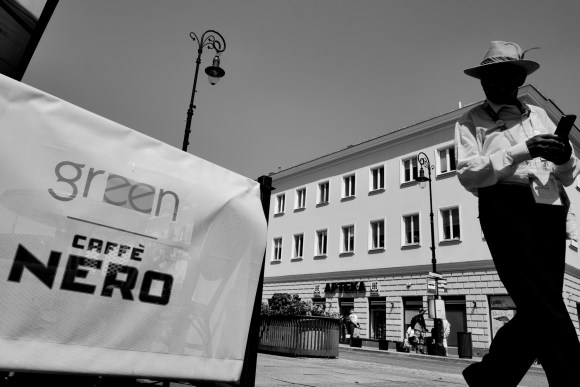
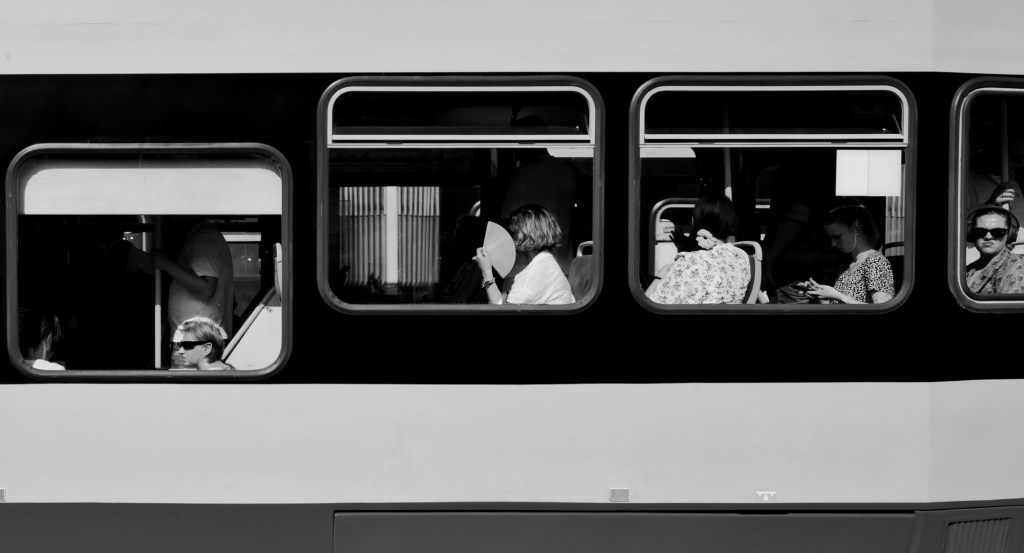
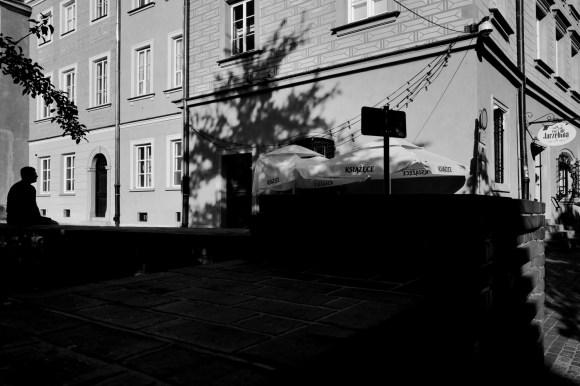
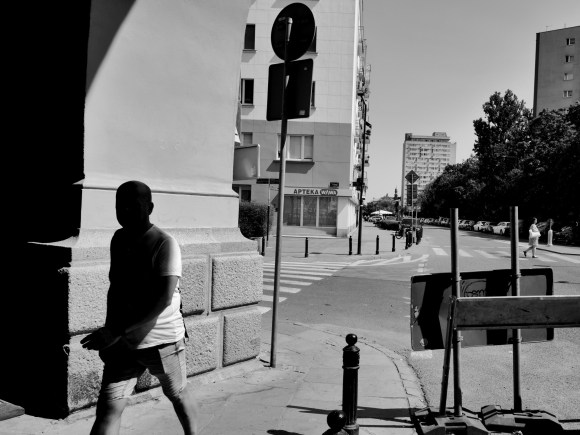
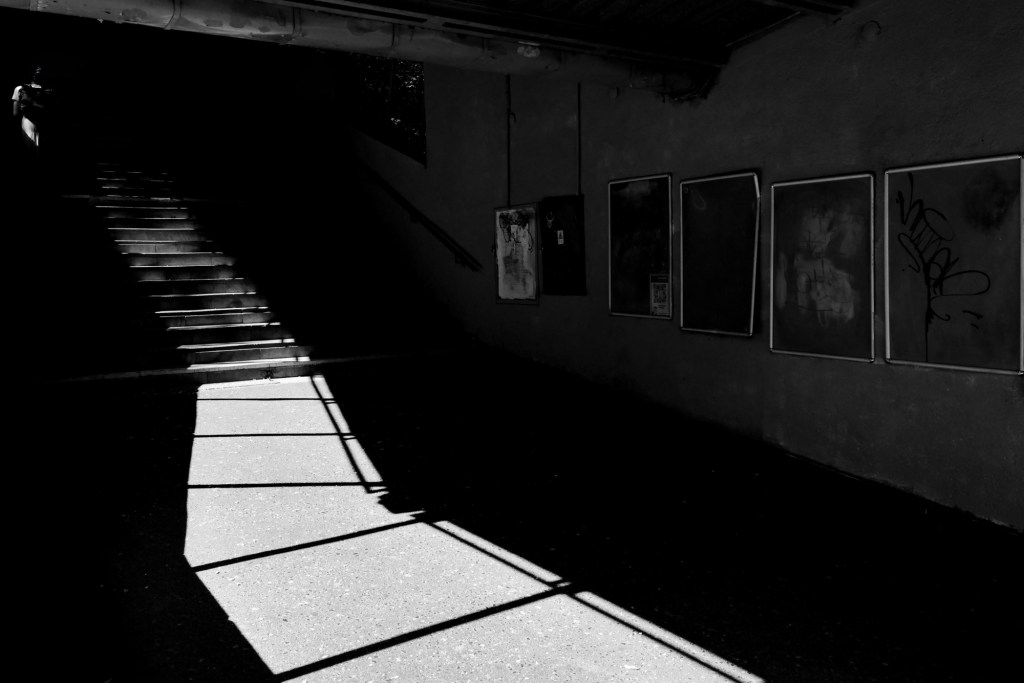
Snippets of Warsaw

Snippets reflect the transitory experiences we have when passing through scenes, places, and times with people that are fragmentary and atomistic pieces of a great whole.

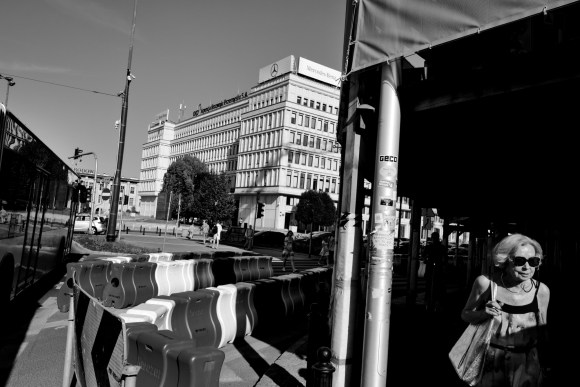
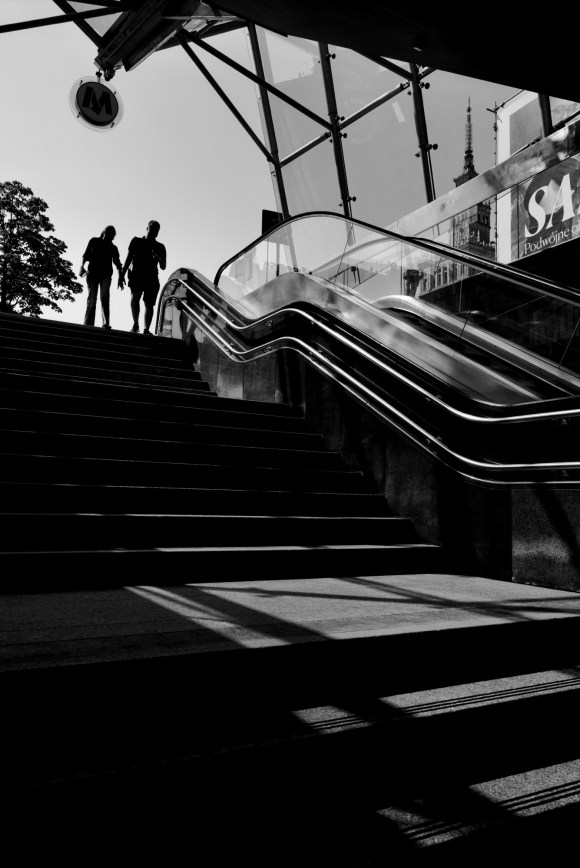
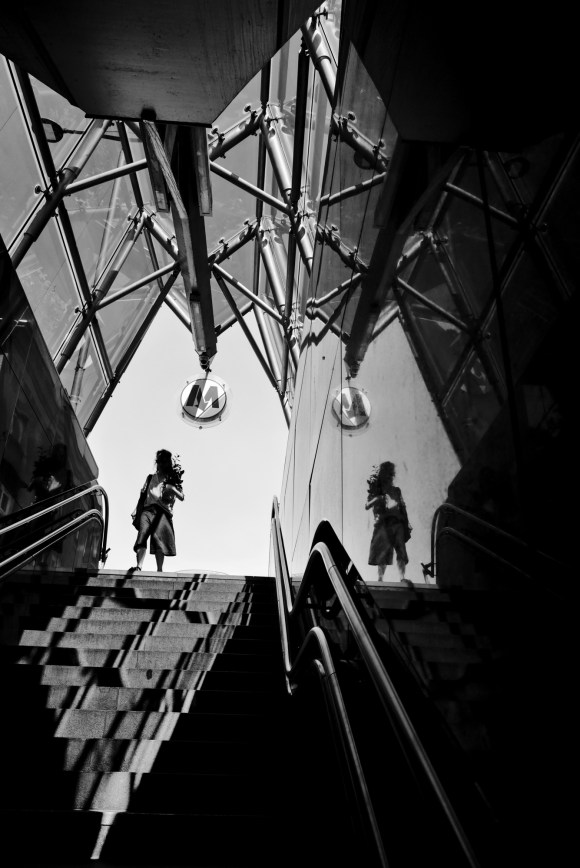
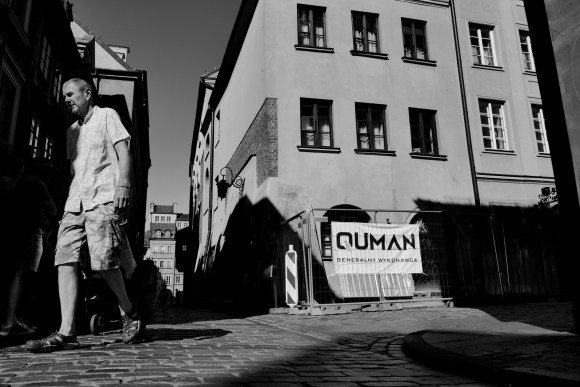
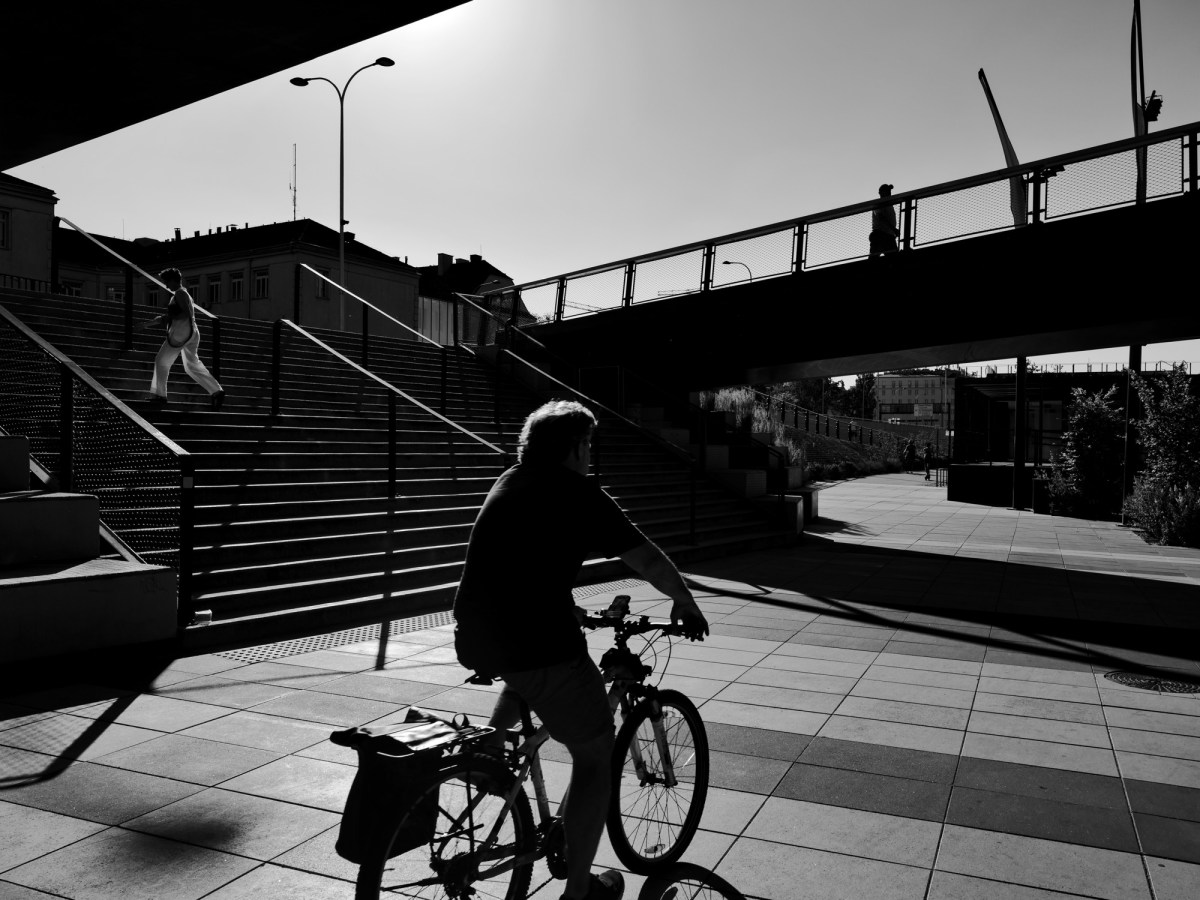
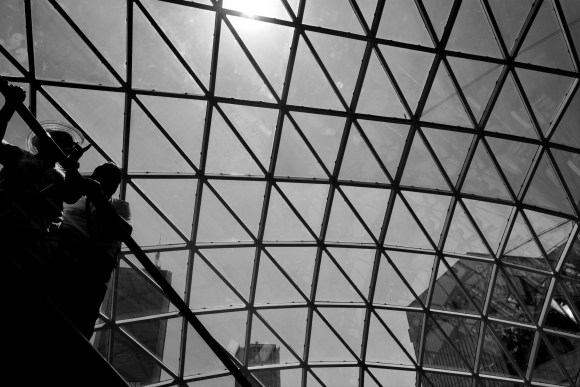
Snippets of Warsaw was created over several days in July 2026, during a European heatwave. It was my first time vacationing alone in more than 20 years, and I was moving through a city whose language I could neither speak nor understand. That separation shaped how I photographed: I often held back, placing people within the streets, architecture, and light around them rather than pressing close.

My days became long, solitary walks through the city, with podcasts in my ears and sweat running down my back. When I was not making images, I read and wrote, giving me time simply to be with myself. I left Warsaw physically exhausted but photographically energized and confident in my ability to explore and photograph unfamiliar cities alone.
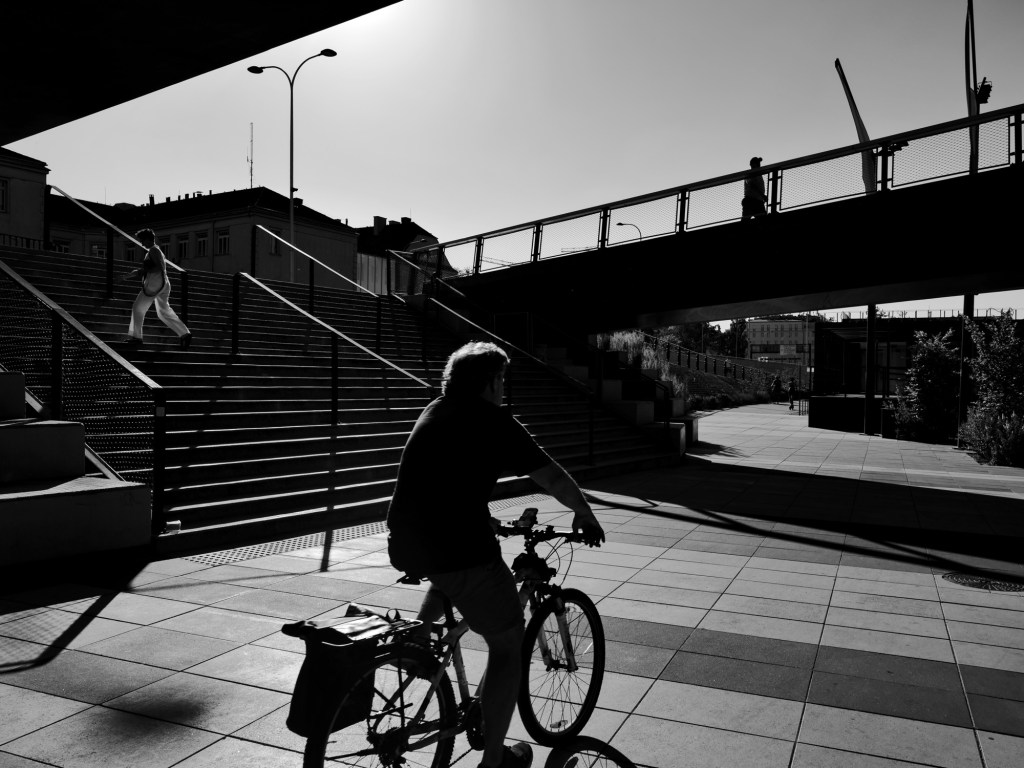
Vistula Bridge & Bulwar Bohdana Grzymały-Siedleckiego, Warsaw, 2026
Złota & Emilii Plater, Warsaw, 2026
Aleje Jerozolimskie & Nowy Świat, Warsaw, 2026
Maeszałkowska & Henryka Sienkiewicza, Warsaw, 2026
Świętokrzyska & Nowy Skiat, Warsaw, 2026
Szeroki Dunaj & Wąski Dunaj, Warsaw, 2026
Chmielna & Nowy Świat, Warsaw, 2026
Targowa & Aleja Solidarności, Warsaw, 2026
Świętojerska & Freta, Warsaw, 2026
Solec & Aleja 3. Maja, Warsaw, 2026
Leona Kruczkowskiego & Aleje Jerozolinskie, Warsaw, 2026

All images made using a Leica Q2 and lightly edited using Darkroom and/or Apple Photos. An extended version of this series was first published on Glass.


Christopher Parsons an amateur Toronto-based documentary and street photographer, and has been making images for over a decade. His monochromatic photographs focus on little moments that happen on the streets and which record the ebb and flow of urban life over the course of years and decades.

His work often tries to capture the urban landscape from unfamiliar perspectives and routinely focuses on attention to small and transient details of his environments. Rather than pursuing individuals on the streets he focuses on the backdrops of the urban environment and how subjects live their lives passing through them.

His work has been highlighted on Ted Forbes’ YouTube Channel, The Art of Photography, on the Photowalk Show podcast hosted by Neale James, Street Photography Magazine, as well by the Glass social media platform.

Outside of photography, Christopher has worked on high-profile national and international privacy, data security, and national security issues. He is currently employed at a government data privacy and transparency regulator.

Categories
Links

Europe Planning A DNS Infrastructure With Built-In Filtering

Catalin Cimpanu, reporting for The Record, has found that the European Union wants to build a recursive DNS service that will be available to EU institutions and the European public. The reasons for building the service are manifold, including concerns that American DNS providers are not GDPR compliant and worries that much of Europe is dependent on (largely) American-based or -owned infrastructure.

As part of the European system, plans are for it to:

… come with built-in filtering capabilities that will be able to block DNS name resolutions for bad domains, such as those hosting malware, phishing sites, or other cybersecurity threats.

This filtering capability would be built using threat intelligence feeds provided by trusted partners, such as national CERT teams, and could be used to defend organizations across Europe from common malicious threats.

It is unclear if DNS4EU usage would be mandatory for all EU or national government organizations, but if so, it would grant organizations like CERT-EU more power and the agility it needs to block cyber-attacks as soon as they are detected.

In addition, EU officials also want to use DNS4EU’s filtering system to also block access to other types of prohibited content, which they say could be done based on court orders. While officials didn’t go into details, this most likely refers to domains showing child sexual abuse materials and copyright-infringing (pirated) content.1

By integrating censorship/blocking provisions as the policy level of the European DNS, there is a real risk that over time that same system might be used for untoward ends. Consider the rise of anti-LGBTQ laws in Hungary and Poland, and how those governments mights be motivated to block access to ‘prohibited content’ that is identified as such by anti-LGBTQ politicians.

While a reader might hope that the European courts could knock down these kinds of laws, their recurrence alone raises the spectre that content that is deemed socially undesirable by parties in power could be censored, even where there are legitimate human rights grounds that justify accessing the material in question.


  1. Boldface not in original. ↩︎