Ming Thein:
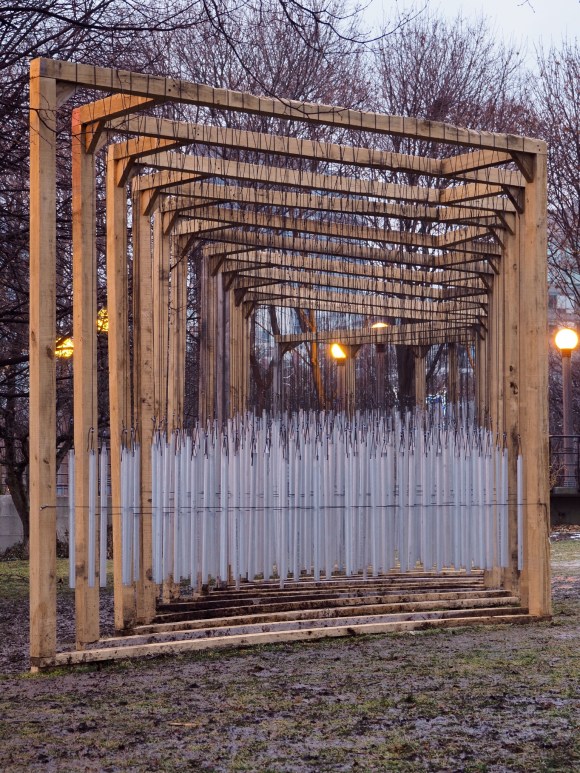
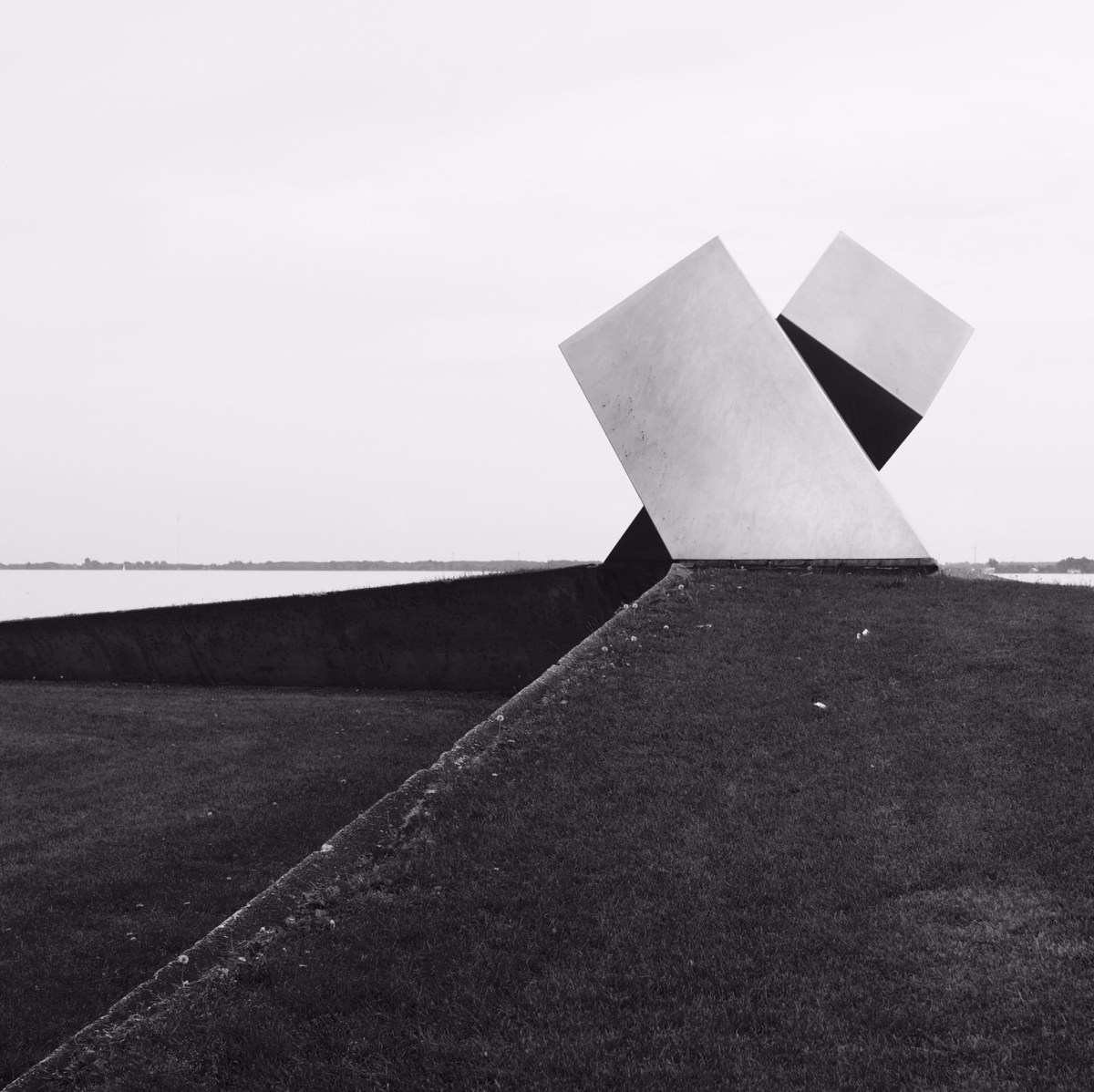
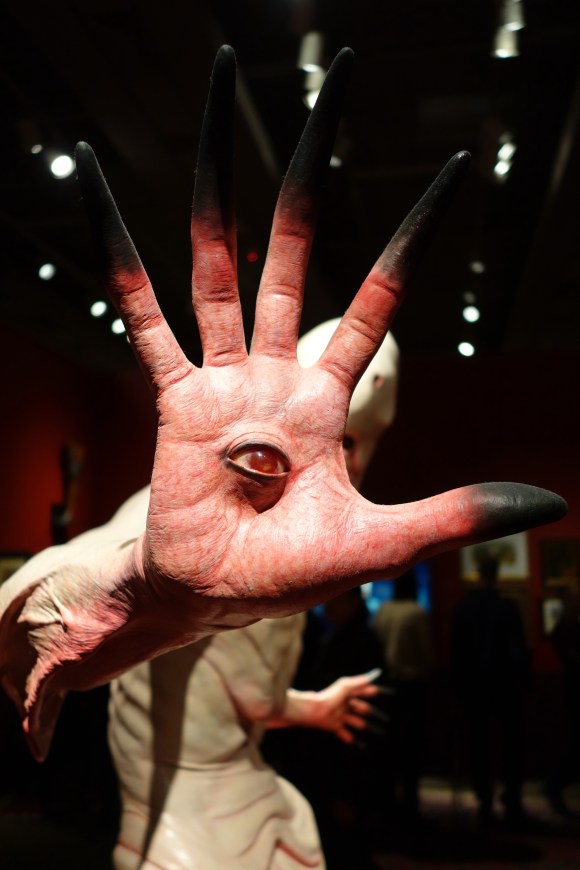
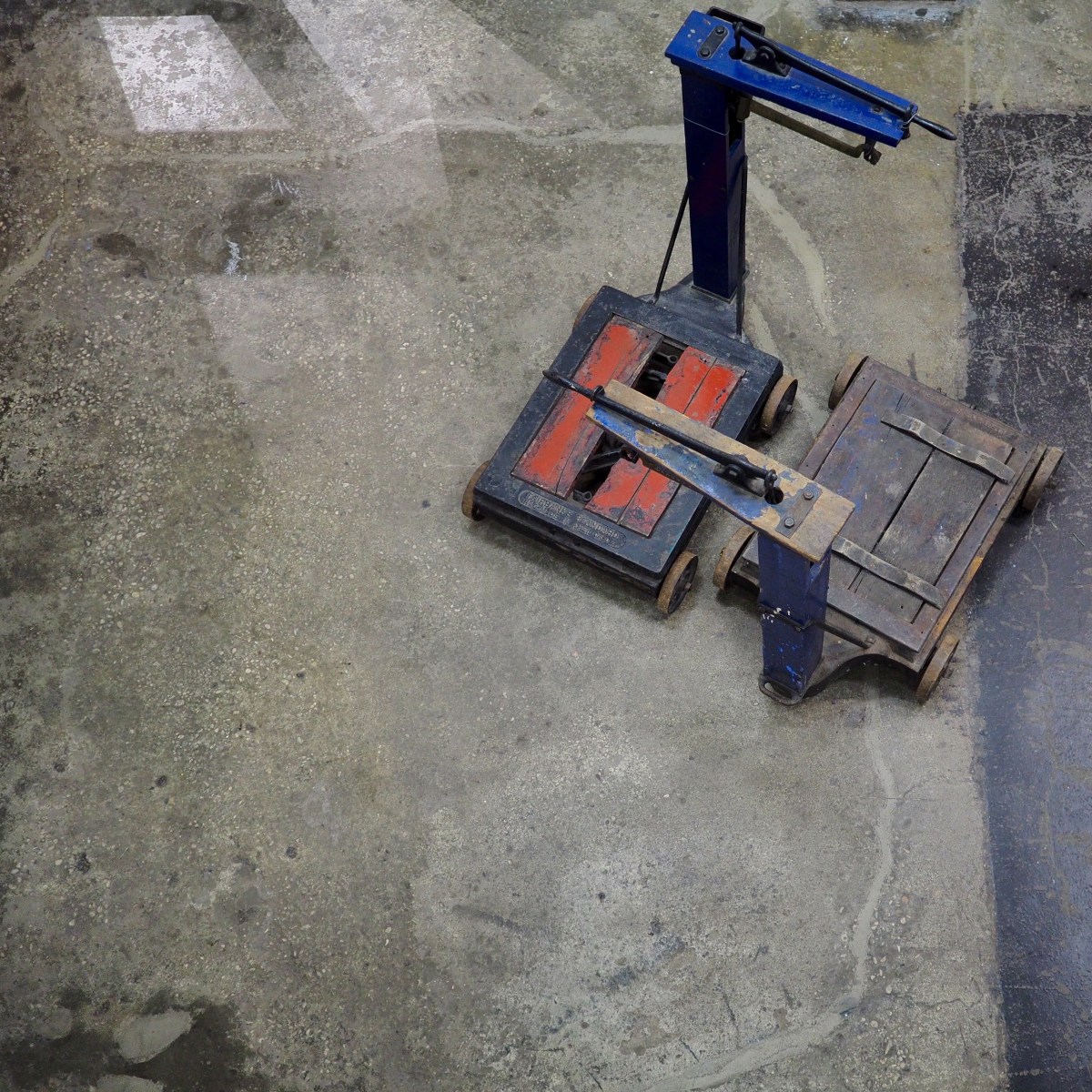
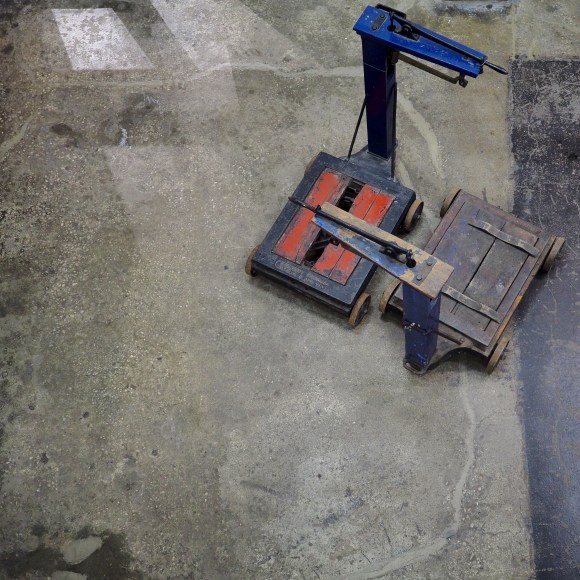
We’ve touched on the cliches, we’ve touched on the physiology (much more detail in this and this article) but we haven’t touched on some things that generally make sense; I use the term ‘generally’ because as always there are exceptions dependent on the subject, scene and communicative intent of the photographer. Whilst for instance hard shadows usually make for interesting architectural images, they aren’t always so good for senior portraits or product photography. But this can be simplified into a logical statement like “shadows can assist with spatial orientation of a composition, and enhancing texture” – which I think is legitimate. But ultimately, the photographer has to decide if they actually want an obvious spatial orientation or not – they may not, for instance, if the intention is to make an extremely abstract composition. The example images given deliberately violate at least one, sometimes more, of the commonly bandied photographic rules – yet to my eyes at least, they still work.
I hadn’t really considered how the human body helps to dictate or guide the ‘rules’ of photography. While Ming Thein’s discussion is brief it’s perhaps useful for opening up new ways of thinking about the photos that we choose to take, and how deliberate shots vary from snapshots.