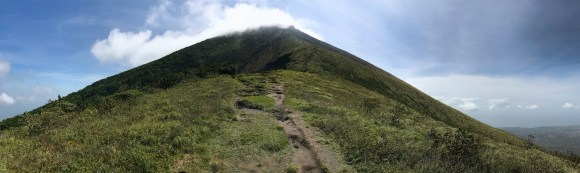
We went on the sole most challenging hike of our lives yesterday, summitting Volcán Concepción and coming down again safely. It wasn’t the longest hike we’ve gone on but it was terrifying; at one point I was sure I was about to fall a kilometre to my death, and at another point truly had my nerves act up to the point of near paralysis (not a great thing when 1550 meters up and off-path on a rock face!). I really don’t think I’d do it again, knowing how hard it is, but I’m immensely delighted to have gone up and down without serious incident, entirely because of the epically amazing guide we had to show us the way, provide assistance, and keep us safe.
For the past few weeks I’ve been deliberately constraining my photography by shooting exclusively by a 35mm equivalent lens. This was the focal length that really convinced me that I enjoyed photography as a way of seeing and experiencing the world. I’m a big fan of zoom lenses, and keep eyeing the Olympus 12-40mm 2.8 Pro lens, but I find that I learn the most about a scene by having to walk around it with a bright prime lens.
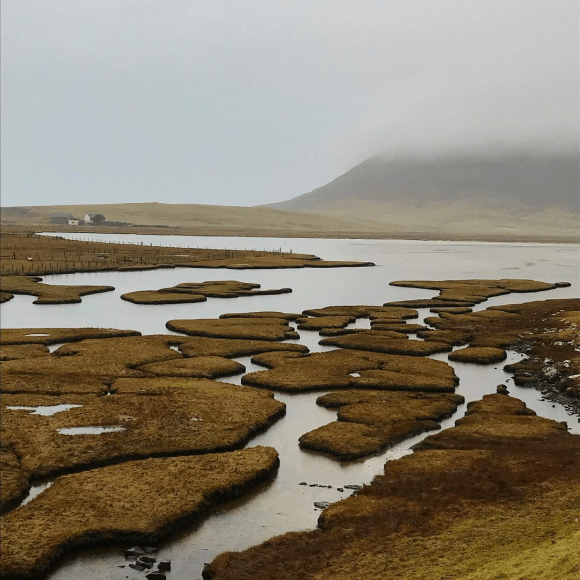
Alien Reach by Christopher Parsons
When I travelled to Cuba, having to march around with a 50mm equivalent lens meant I went into entirely new places and angles that I wouldn’t have if I’d had a zoom lens to otherwise get a shot. And while I’ve previously used my 35mm equivalent, I have to admit that I’ve been far more reliant on some of my zooms and the 50mm; I just haven’t focused on learning to use the 35mm lens because there is so much more walking-by-zooming that I have to do with it compared to even my other prime lenses.
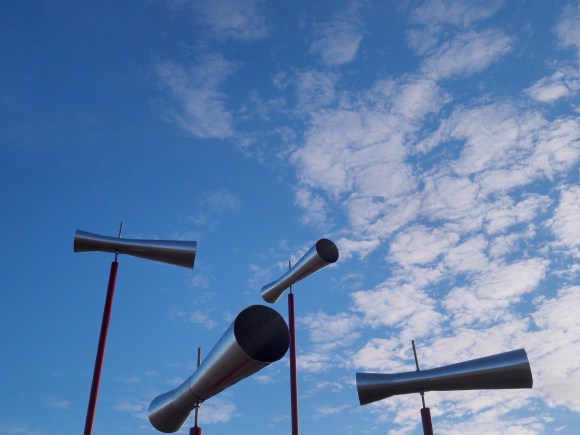
Sound Off! by Christopher Parsons
But that’s silly: I enjoy the focal length, I just have to work a lot more to get things out of the camera. So I’ve been using it at night, during the day, and exclusively attached it to my camera body for the past month and intend to bring it (along with an 80-300mm equivalent lens) when I travel to South America in a week and change. I like the idea of an unobtrusive lens as my walkabout, and then the zoom for when I’ve trekking through nature. And, perhaps most importantly, I really like the idea of forcing myself to get a lot more comfortable with my current gear as a way to inhibit my desire to buy more gear: I have functionally underused equipment, and I should be playing with it, first and foremost, before even considering the purchase of new kit.
Inspiring Quotation
“We start on the path to genuine adulthood when we stop insisting on our emotional competence and acknowledge the extent to which we are – in many areas of our psyche – likely to be sharply trailing our biological age. Realising we aren’t – as yet, in subtle ways – quite adults may be the start of true maturity.”
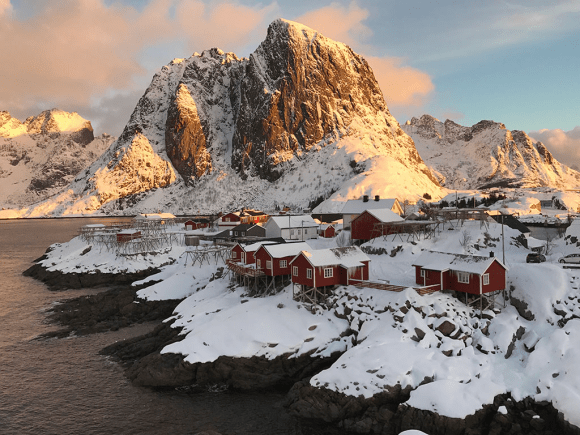
Mobiography’s landscape photography shots are really, really amazing and showcase just how much you can do with a contemporary smartphone and good lighting conditions.
Jagged horizon, Monument Valley… by Joseph CyrIt’s been a good day… full of weather again.. by Fi AustinSnow & Fishing Cottages by Jen Pollack BiancoWindswept by lkbside
I find it really hard to identify the stories in my photographs, prior to actually pushing the shutter button. When I look through, say, my best photos of 2017 I can see which ones have stories embedded within them but it’s a pretty rare thing that I saw, and decided upon, the story before taking the shot. In part, I think that my challenges are linked to only taking my photography more seriously for a relatively short period of time.
But some of the difficulties I’m encountering are also linked with my still learning to take ‘technically’ good photos, after which I think I’ll be more comfortable with more ‘narrative’ style shots. And I want to get better at the latter because I take Martino Pietropoli‘s statement pretty seriously: “Good photos tell stories. Average photos are just beautiful.”
Pietropoli’s article is excellent, insofar as he spends the time to walk through not just the importance of building a story into a photograph but because he also shows examples. In choosing examples he doesn’t merely say ‘here are narrative photos’ but, instead, he spends the time to spell out some of the narratives which might be bundled up in the shots in question. For me, his article was a particularly clear and poignant way of thinking through what stories might be in any given shot, and also as a way to differentiate between what he identifies as narrative versus ‘merely’ beautiful shots.
If I have one critique of the article — and I think it’s pretty minor — it’s that there’s an assumption that someone understands how to take photographs competently, and using this basic competence they can take shots with story. Put another way: I think that a lot of the efforts to create popular stylistic shots are very helpful in teaching people how to use their cameras and lenses, and to think through the importance of framing. Does that mean the people may end up with a series of ‘generic’ skills that many other photographers can roughly approximate or precisely imitate? Absolutely. But just as it’s important to learn how to write the five paragraph essay before breaking into longer-form writing that breaks all the rules of that high school essay format, learning the high-school format in the first place is an important skill that leads to more advanced writing.
I think that spending time looking at Instagram or Flickr or other places which hold ‘beautiful’ images is entirely appropriate for those who are learning to take photographs, and take them seriously. But I also tend to agree with Pietropoli that a photographer must eventually come to a decision: will their photographic style focus principally on technically beautiful shots or, instead, try to engage with the world by evoking emotions and reactions linked to the stories contained in their photos.
New Apps and Great App Updates from this Week
Cypher – a puzzle game about the history of cryptography
Great Photography Shots
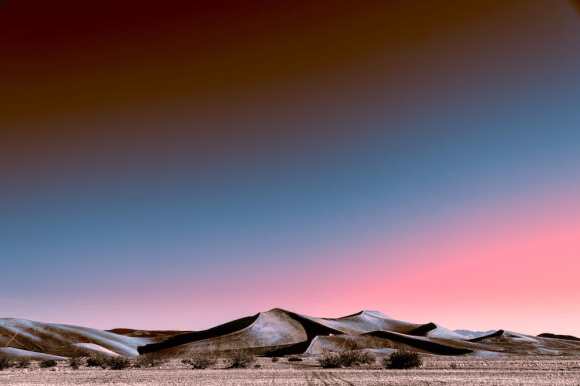
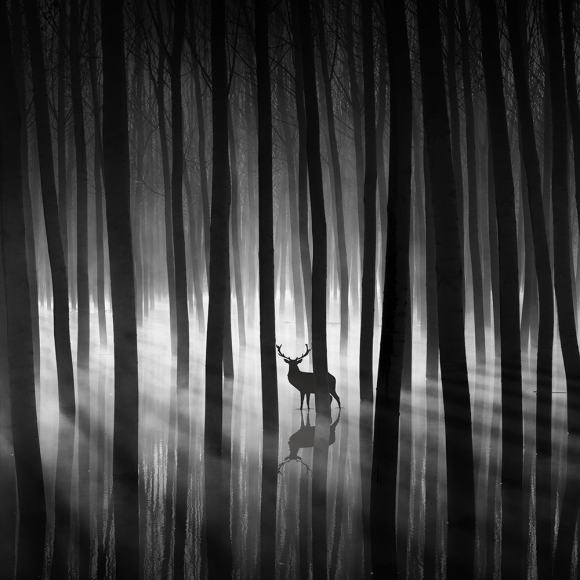
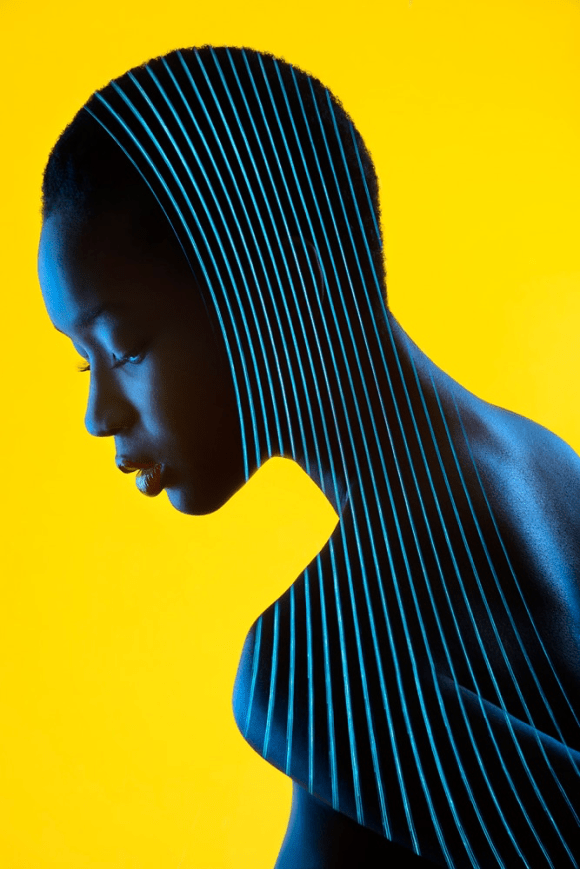
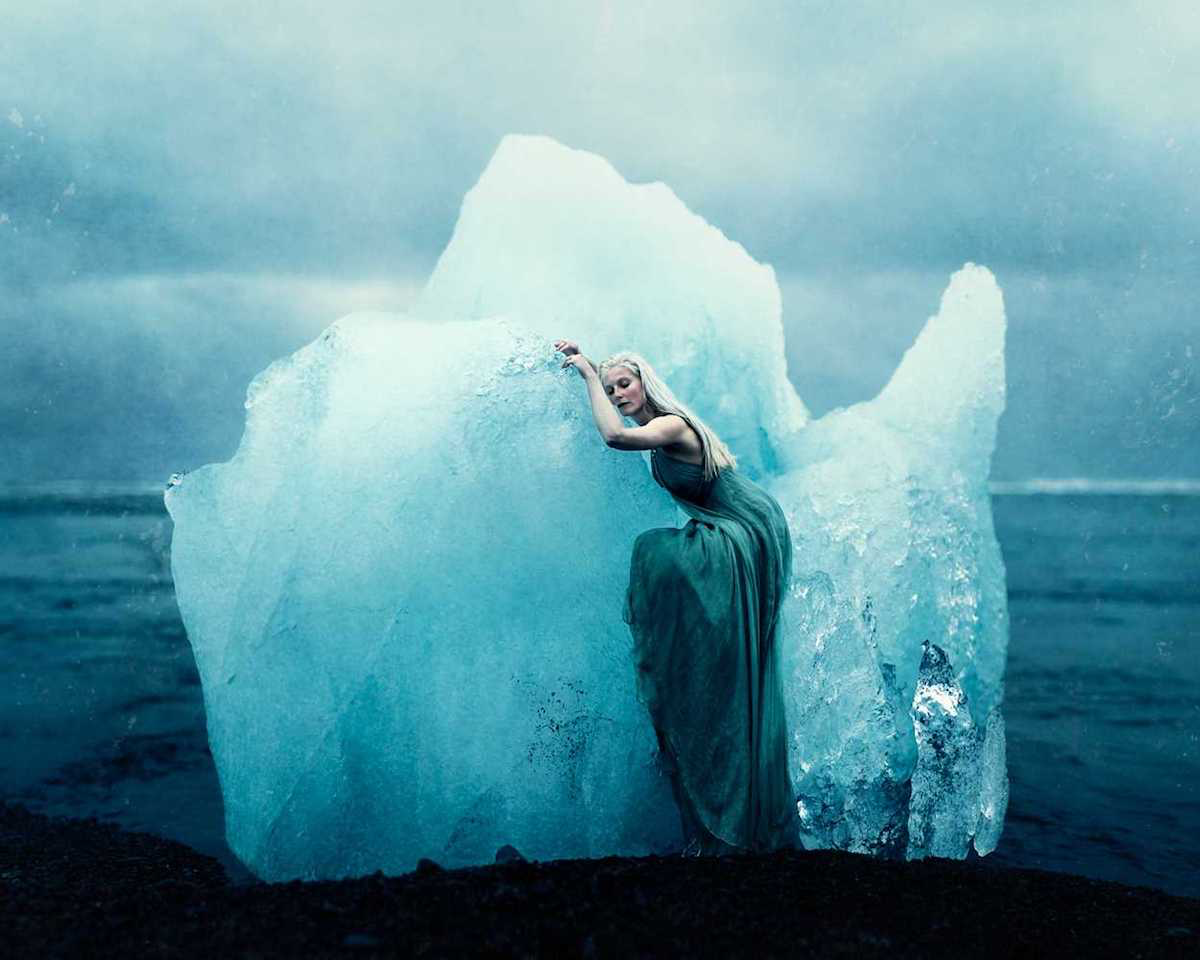
I was really impressed with a range of the shots which won in the 2017 International Photographer of the Year contest.
Wave Crashers’ by Emily Kaszton. First Place, Nature: Aerial (Professional).‘Neon Desert’ by Stefano Gardel. International Fine Art Photographer of the Year‘Battersea’ by Giulio Zanni. Second place, Open Category: Long Exposure (Amateur)‘Untitled’ by Pedro Diaz Molins. Second place, Fine Art: Photomanipulation (Amateur)‘Lighting Clothes’ by Ramon Vaquero. Third place, People:Fashion/Beauty (Professional)‘Desert Essential’ by Giovanni Canclini. First place, Open Category: Open Theme (Amateur)
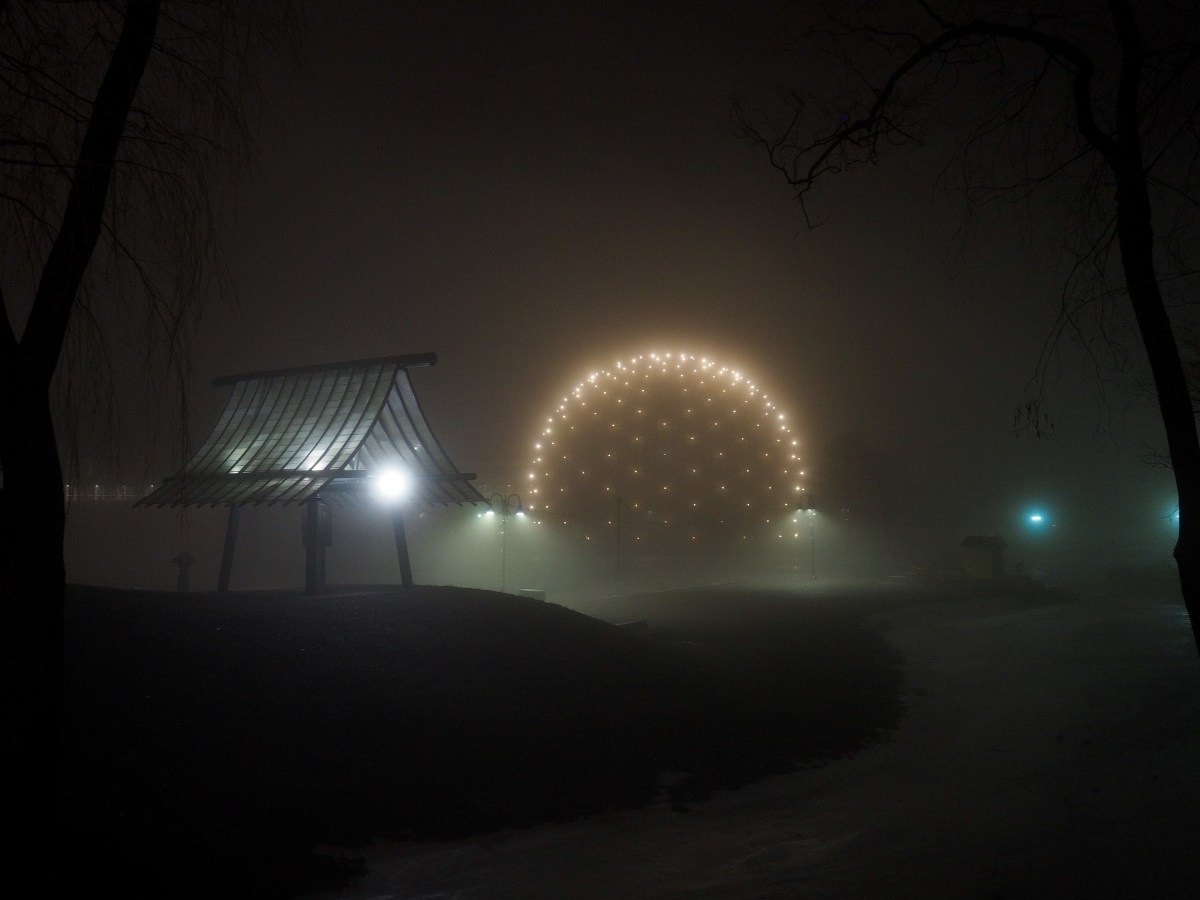
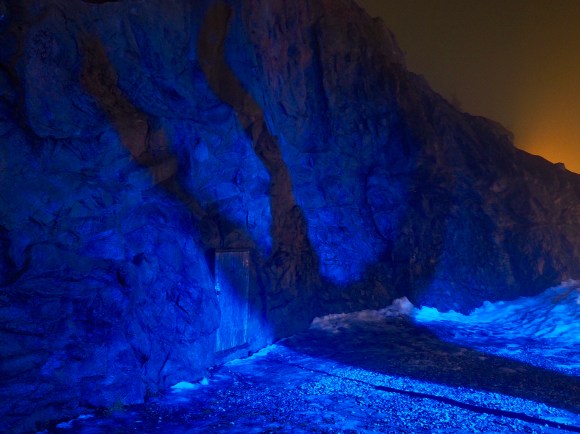
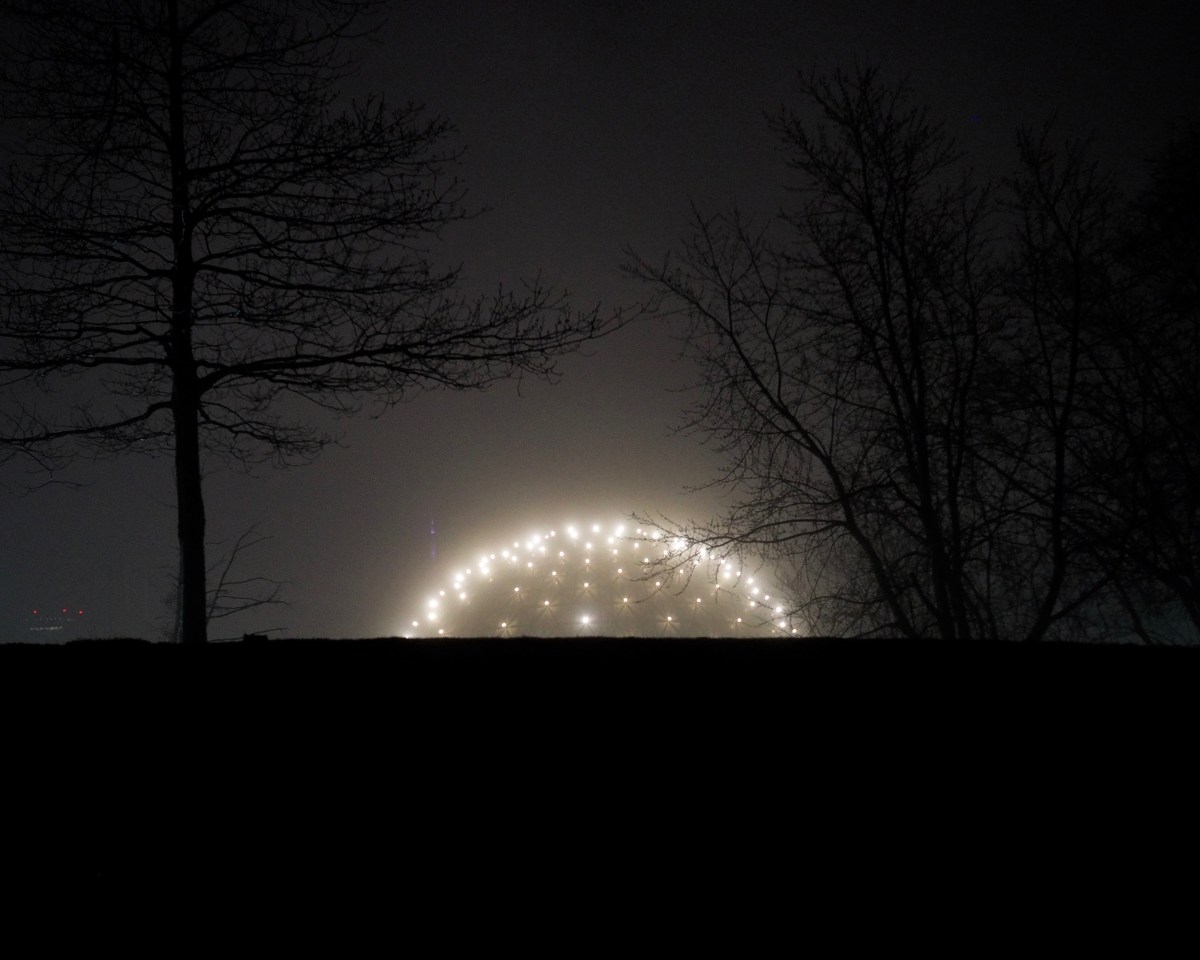
It’s unseasonably warm out at the moment, which is causing an amazing amount of mist to form as snow and ice melt off. So rather than go home and have a meal — and I was starving! — I decided to haul my butt down to a series of light sculptures that have been installed by the waterfront. I had the place practically all to myself and after a few hours, and one dead battery, I’m finally on my way home. And I’m super jazzed that I took the time working my camera instead of eating and lounging around the house!
Natural Ladders, 2018, Toronto by Christopher Parsons
There are a lot of different ways that you can challenge yourself to a photowalk. Use specific lenses or focal lengths or creative formats. Walk a predetermined distance and take a hundred photos from that site. Shoot black and white, mobile only, or focus on a concept, colour, or number.
I think I have a challenge that’s a bit different.
Recently I planned a photowalk to wander along a river in Toronto and, along the way, shoot some sculptures I’ve wanted to look at for the last several months. I got ready to head out, threw my camera over my shoulder, and walked out of my building and into a light drizzle of rain.
The low chances of rain had turned into the reality of rain, and it was only starting to come down harder. Without weather sealed gear there was no way I was going to be walking a few kilometres in the rain and shoot.
I quickly rerouted to an enclosed botanical garden that I live nearby. And pulled out my 12-42mm 3.5-5.6 II R kit lens and started at one end of the gardens and walked all the way to the other end.
Piles, 2018, Toronto by Christopher ParsonsSharp Symetry, 2018, Toronto by Christopher ParsonsUnitlted, 2018, Toronto by Christopher ParsonsOpening, 2018, Toronto by Christopher ParsonsRevealed, 2018, Toronto by Christopher Parsons
I then swapped out my lens for the Panasonic 25mm 1.7 I had with me, and proceeded to walk all the way through the gardens once more. The shots I got tended to be different from the zoom lens, and forced me to think about what was differently possible to shoot with the prime lens compared to the short zoom.
Rough Hills, 2018, Toronto by Christopher ParsonsValve, 2018, Toronto by Christopher ParsonsRed Frame, 2018, Toronto by Christopher ParsonsUntitled, 2018, Toronto by Christopher ParsonsApex, 2018, Toronto by Christopher Parsons
Once I’d walked the length of the gardens once more I passed through it one last time, this time with my Olympus 40-150mm 4.0-5.6 R. This is definitely not the lens I’d normally use for this kind of shooting environment. And that meant that I was forced to really try with the lens and make it perform in a space in which I’m not comfortable using it.
Aligned, 2018, Toronto by Christopher ParsonsPals, 2018, Toronto by Christopher Parsons
What did I take away from this? That by walking the same space with different lenses possessing different characteristics I saw the space and photographic opportunities differently. It also was a useful exercise in just visualizing the possible: what shots was I willing and able to experiment with based on the lens at hand? What kind of shot — architecture or natural environment – captured my imagination with the different lenses?
The shots shown above are those that I was most happy with. There were, obviously, far more that got deleted (especially from the 40-150mm!). It was a fun opportunity, and a challenge I suspect I’ll revisit in the future.
In closing, I’d like to stress that the best tools at our disposal for mastering composition are not bought from camera stores — they are within us. To better express something about our subject matter and ourselves in our photographs, we should take steps to engage more in the process. Before we start we need to take time to establish a relationship with our subject matter; to engage our hearts and emotions. Secondly, we need to engage our imaginations; to let them run wild to form our vision for an image.
Then, perhaps, we bring our cameras and our eyes into the process. That is to say, having formulated a vision we now use our eyes objectively to see what is actually in the scene. Then, we try to engineer the scene, which may involve simply waiting fo something to move, or adjusting our camera, lens, or shooting position, that the scene best reflects our vision. We do this largely by bringing our bodies into play; using our legs to explore the scene and the options different viewpoints offer.
Richard Garvey-Williams, Mastering Composition: The Definitive Guide For Photographers
I’ve been putting a lot of thought into how to structure my life, not just on a day to day basis, but with the intent of accomplishing something meaningful this year. Some of that relates to personal projects I want to pull off.1 But perhaps the most important thing I want to do this year is develop a really boring habit.
Mike Vardy wrote about his intent improve his personal fitness this year. His description of past attempts to become fit and how that differs from his current behaviours resonated with me. He wrote:
When I was trying to achieve a “body for life” before, I was single and doing it mainly to improve my physique for any potential ladies that I may wind up dating. I wasn’t really doing it for myself.
In contrast, this time he’s doing:
it for myself — and my family. My wife deserves to have a husband who’s in decent shape, and my kids deserve to have a father who can keep up with them. When my youngest turns thirteen, I’ll be fifty. I want to be able to roughhouse with him at that age and not feel it for weeks afterward. I’d also like to give myself the best shot at seeing my kids’ grandkids. Without exercise and proper diet, that just ain’t going to happen
In the past I tried to become more fit by taking it to the extreme. I also felt I had to hide what I was doing to avoid recriminations from family and people I lived with. I exercised when no one was around, or up, and hid the fact I was going on long challenging walks to avoid all kinds of hurtful commentary: getting fit was something that people were bemused about, at best, and openly mocked, at worst. I don’t have that kind of negative energy around me now and, instead, I have the support of people I love.2
I don’t know that my motives are quite the same as Mike: I’m not a father, and don’t intend to become one, nor am I doing this because I think someone else deserves my body in one format or another. No, I’m doing this purely because I would like to be in a situation where I can just say ‘sure, let’s climb that mountain’ and get going. I want to be able to hop on a bike and cycle across one of Canada’s smaller provinces because it would be neat to take that ride. And, more importantly, I want to get in the habit that regular active exercise is just so routine that it’s a normal, established, and boring part of my life.
Tim Cook was asked in the Apple earning call that took place in February about the company had considered whether, and if so how, their battery replacement program might affect replacement rates. The implied comment was the replacements might reduce the likelihood that consumers would upgrade to the new versions of devices, on grounds that some upgrades had historically taken place because people bought new phones as a result of their old ones slowing down or their batteries not providing adequate charge to get through a day. Cook responded that Apple:
did not consider in any way, shape, or form what it would do to upgrade rates. We did it because we thought it was the right thing to do for our customers. I don’t know what effect it will have for our customers. It was not in our thought process of deciding to do what we’ve done.
This is a great answer. Though I do suspect that the battery replacement program will delay some upgrades, I don’t know that such a delay would be inherently bad for the company. Jason Snell wrote that the iPhone 8 — not the X — was a really amazing phone for most people because they tended to be coming from devices that were release two or more years ago. As a result, people that were coming from iPhone 6, 6s, and 5s devices didn’t just get the updates of the iPhone 8 but also all the updates that came to the iPhone 7 and, in some cases, iPhone 6s.
In effect, people who waited three or more years to update ended up being wowed by all of the features in the new iPhone. These are everyday users who really do use words like ‘magic’ and literally utter ‘wow’ when things happen. They laugh with joy when Siri just does something right, or they have calendar items automatically added from their mail. These are the everyday consumers that Apple is making its money from.
These normal users are the ones that are going to be blown away whenever they do an upgrade, and are going to be especially appreciative of all the incremental updates that take place in the extra year they might delay an upgrade. They’re going to talk to their friends and family and co-workers. They might also talk about how the battery situation sucked while, simultaneously, mentioning how no other company offers a similar replacement program. Probably the only equivalent they’ll be able to think of was Samsung’s global recall of devices that were literally exploding in people’s hands.
Quotation of the Week
“By retreating into ourselves, it looks as if we are the enemies of others, but our solitary moments are in reality a homage to the richness of social existence. Unless we’ve had time alone, we can’t be who we would like to be around our fellow humans. We won’t have original opinions. We won’t have lively and authentic perspectives. We’ll be – in the wrong way – a bit like everyone else.”
I’ll update as I’m successful on those projects, instead of indicating what they are then failing to deliver. ↩
It also helps that my father died of a heart attack last year; getting fit isn’t just aimless or directionless, but it’s to reduce the likelihood of a similar event befalling me. ↩
I’ve been thinking about how high technology is continuing to develop at a pace that outruns the least well off in our Western societies. I think that this was best crystallized in Amazon’s opening of its first Amazon Go store, which does away with cashiers and replaces them with cameras and sensors that automatically identify what you acquire for purchase and charge you as you leave the space. There are at least three (immediate) concerns that strike me with regard to these kinds of technologies:
As noted by Hanna Brooks Olsen, these are inherently cashless technologies. Consumers will enter the store with their smartphones, cameras and sensors will track them, and be billed automatically to their debit or credit card(s) associated with the Amazon account. For persons who have a hard time acquiring a smartphone, or having it repaired when damaged, or opening a bank account or obtaining a credit card, or possessing a language barrier, or without access to a convenient and reliable place to charge their devices, or those who rely on the cash economy, these kinds of ‘convenient’ stores are nearly impenetrable fortresses. Those who cannot enter and purchase goods in the stores will be those who are often the least privileged and, rather than being confronted by the diversity of the human population, shoppers in Amazon Go-type stores will have some portion of society’s diversity simply deleted from their shopping experience. As stated by Olsen, “cashless life … is necessarily one of privilege.”
These are anti-labour technologies. In promoting ‘convenience’ Amazon Go and equivalent technologies remove a certain portion of low skill jobs that many people depend on for their livelihoods. While the popular conception is that it’s just students who have these kinds of jobs, simply looking at service jobs belies this point: the age groups which have sales or sales service jobs are rising, and this is exacerbated by an older population who has to work longer into their retirement years simply to survive, let alone thrive. By removing, or at least significantly reducing, the number of low-skill jobs the numbers of persons who are struggling and unable to find work will increase and their social hardships be exacerbated.1
Cashless systems and those which remove labourers are inherently political technologies. They are technologies designed for a particular set of people, to solve what one group in society regards as ‘problems’, and which could significantly reshape how elements of society operate. Should these technologies cease to be ‘technology’ per se and be normalized as ‘infrastructure’ then it will be challenging to ‘reformat and replace’ the technology and ameliorate its long-term social impacts.2 Transforming cashless into infrastructure threatens to deepen the the aforementioned difficulties.
Aren’t there solutions to the aforementioned problems? Of course there are. But any solutions will likely impose costs on those who are developing, advocating for, and using convenience technologies that detrimentally affect the least well off or privileged. Solutions might entail:
establishing a guaranteed way for all persons to obtain banking accounts with diminished identification or language requirements;3
providing either a basic living wage or reducing the barriers to accessing social welfare benefits, to offset the reduction of low-skill employment opportunities; or
reducing educational costs or fully subsidizing such costs so that we as a society can improve the educational status of many of those affected by shrinking low-skill labour. However, education is often seen as the silver bullet when it should be regarded as a tarnished and dented brass shield instead: educational requirements for mid-skilled labour may be too onerous for some persons who have mental, psychological, or physical challenges. Similarly, if there is a major gap between initial education and when it is (re)required, such as when a middle income person loses their job after 25+ years of performing the same tasks, then a short 6- or 12-month course may be insufficient. Education may help to address some job loss linked to convenient technologies but education, alone, is insufficient to ‘solve’ the social challenges linked with such technologies and infrastructures.
It’s pretty rare that major news reports about novel and emerging technologies are accompanied with real-work implications of the technologies, should they transform to infrastructure. It’s even rarer for minor news reports to consider the social, ethical, or political implications of new technologies. Instead, the focuses tend to be on whether a new user interface is ‘fun’ or ‘convenient enough’ or ‘fast enough’. Those are the concerns of the majority. We need to far more seriously consider how our developing technologies will affect those least well off, or else risk further stratifying social and economic divides and widening the rift between the most and least privileged members of society.
Quotation of the Week
“We cannot retreat to the convenience of being overwhelmed.”
– Ruth Messinger
Great Photography Shots
I really appreciated the humour in these urban camouflage shots!
The current Amazon Go location does have employees working there, just not as cashiers, and the company hasn’t taken the population of would-be-cashiers and moved them to other locations. The very point is to remove cashiers as an occupation and number of employees from the experience. ↩
One of the challenges to obtaining a bank account is that customers may require a fixed address, telephone number, or other identifiers. While such identifiers are often stable and available to the majority of the population they are fluid for those who lack secure housing, employment, and other ‘normal’ components of daily living. ↩