Categories
Better Times


Over the years that I’ve been engaging in photography, it’s largely been either a solo activity or undertaken with one or two close friends. I think it’s probably fair to say that, in the time I’m been shooting, I’ve typically been the most enthusiastic photographer when I’ve been out. Most of my learning has been in my own, whether through watching YouTube videos, reading books, being inspired in Instagram, or visiting museums and art galleries.
I recognize just how amateur my shots are and, also, that I’ve barely scratched the surface of what I even can, let alone alone should or need to, learn, if I’m to improve the quality, kinds, and nature of my images. The past few years have been as much about learning basic camera functionalities, a set of tricks that I find enjoyable, some styling, basic editing methods, and muddling through composition. I have a lot of bad images but, increasingly, more and more that I’m satisfied with (and some I’m even happy with!). I can also see progress in what I’m shooting, year over year, so I’m confident that the images I’m producing are at least becoming more pleasurable for me to look at and enjoy, and that’s great given that I shoot for myself first and foremost.
However, this weekend I did something that was a bit scary for me: I joined a Toronto photography group and wandered around part of Toronto with them. There were a total of five of us, and I was by far the youngest and most amateur person there; some had been shooting for thirteen years longer than I’d been alive! But it was a really positive experience, insofar as I could see how people engaged with the environment according to what they found interesting. It was also an opportunity to see how people go about getting consent to take other persons’ photos: the thing that’s always kind of scared me about street photography is taking other people’s images, but how it’s (responsibly) done is a little bit clearer after the walk. The other reason the walk was great? All of the people who I was on the walk with were super nice and friendly and inviting to me, the newcomer.
I also appreciated the opportunity wander with good company and for the express purpose of taking photos: there was a nice sense of camaraderie that I hadn’t experienced in this way before. That other people planned their recreation around photography — going to different locales, near and far, for the purpose of photographing the world while also enjoying where they were visiting — was inspiring because while I’ve read about, and listened to, people who are so committed to photography I’d never actually met such people in the flesh. In some respects it almost feels like I’ve found my ‘tribe’ of folks, and I’m looking forward to the next walk I’ll have with them to explore my photography (and city!) with the group.
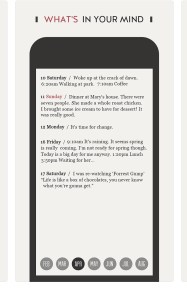
I’ve been trying another journaling technique over the past week that’s inspired from an application I was referred to. Rather than producing elongated entries (the kind I’ve pretty well always written) I have the date along the left hand side of the paper, and then sentences with a major thing or thought that I had in the day beside it, with each sentence separated by a slash symbol (i.e. ‘/‘). I’ve been finding it pretty useful for speeding up reflections, to the point that it takes about 3-5 minutes, whereas a longer entry has historically taken me 20+ minutes. These shorter journals won’t replace the more occasional longer journals — which tend to be more focused and in-depth on a given subject or issue — but I could see them as becoming a very regular part of my routine.
“How well you take criticism depends less on the message and more on your relationship with the messenger. It’s surprisingly easy to hear a hard truth when it comes from someone who believes in your potential and cares about your success.”
- Adam Grant
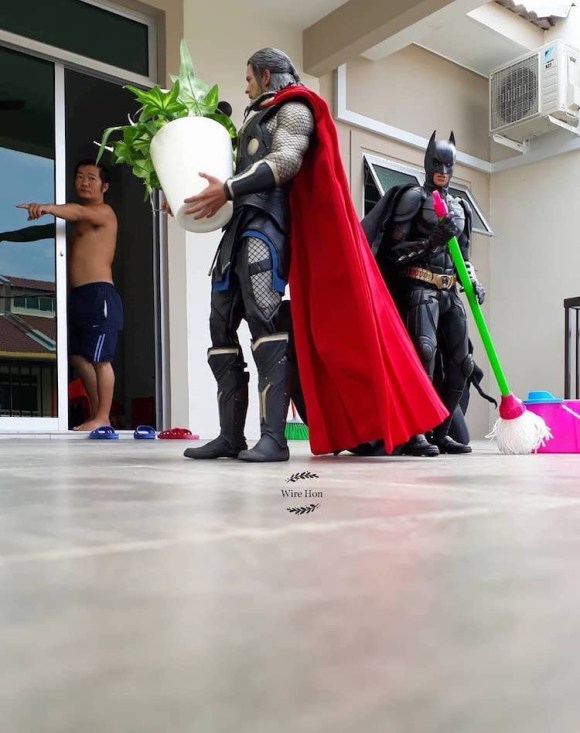
On the one hand, I think that Wire Hon’s shots with superheroes in everyday situations are just funny. But from a technical level I find what he’s doing pretty amazing: using forced perspective, he makes the toys appear as life-sized and involved with him, his family, and each other. Hon’s work is a reminder that you can do a lot of impressive work without photoshop if you just prep your scene effectively.
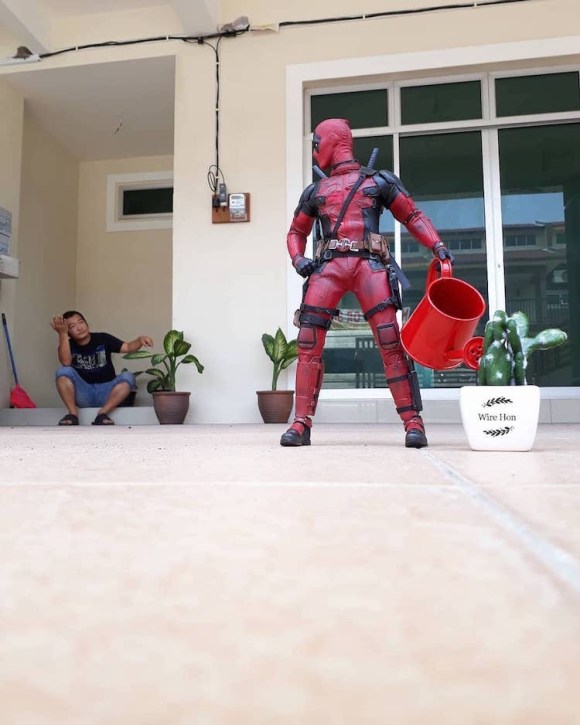
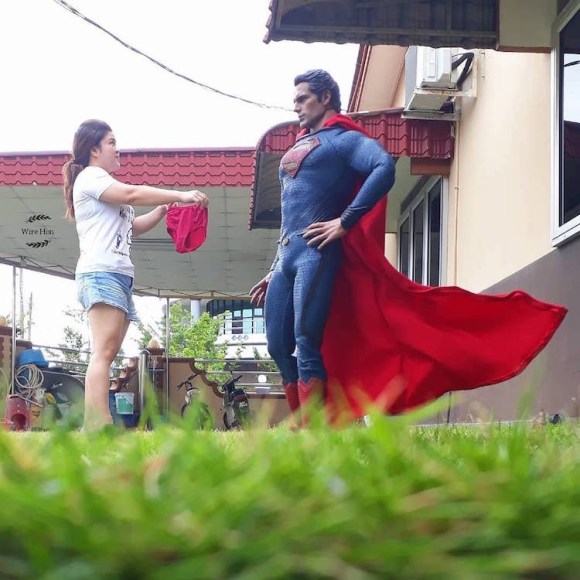
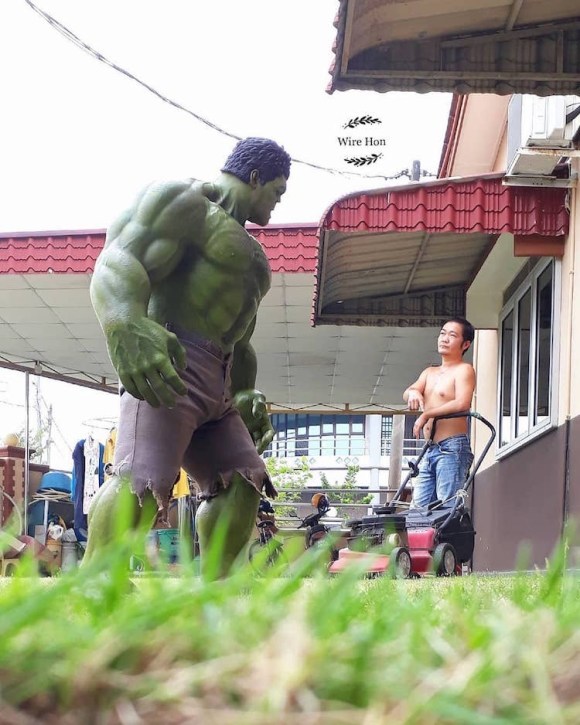
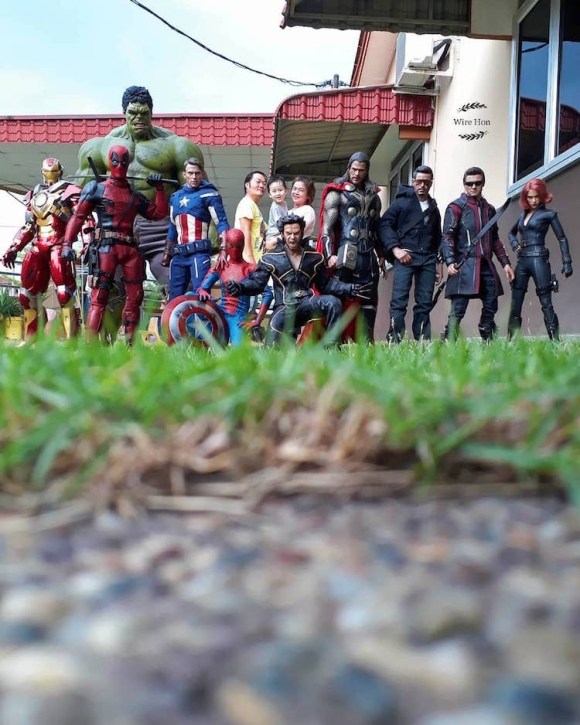




I think I’m going to actively crosspost all the photos I post on Instagram here, on my personal website, as well. I find more value posting photos on Instagram because that’s where my community is but, at the same time, I’m loath to leave my content existing exclusively on a third-party’s infrastructure. Especially when that infrastructure is owned by Facebook.


The ability to socialize with friends in private spaces without state interference is vital to citizens’ growth, the maintenance of society, and a free and healthy democracy. It ensures a zone of safety in which we can share personal information with the people that we choose, and still be free from state intrusion. Recognizing a right to be left alone in private spaces to which we have been invited is an extension of the principle that we are not subject to state interference any time we leave our own homes. The right allows citizens to move about freely without constant supervision or intrusion from the state. Fear of constant intrusion or supervision itself diminishes Canadians’ sense of freedom.
Factum for Tom Le, in Tom Le v The Queen, Court File No. 37971

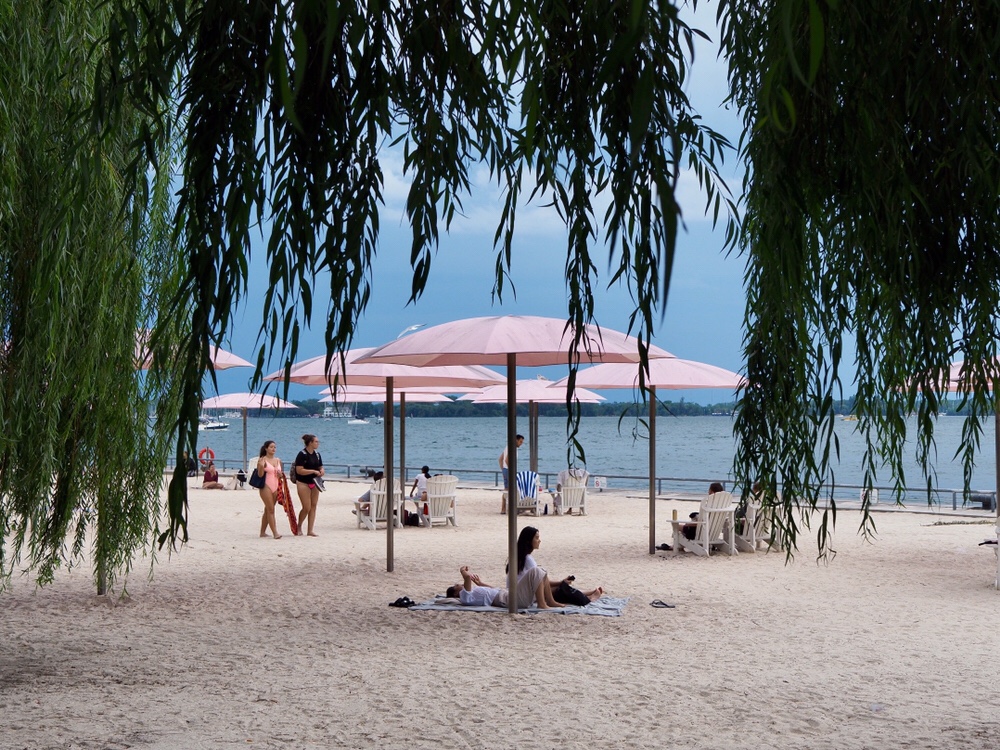
I’ve been putting off getting a book printed that contains my best photos of 2017. Today I decided to just pull the trigger and get it printed and I’m super excited to have it in my hands in a few weeks!

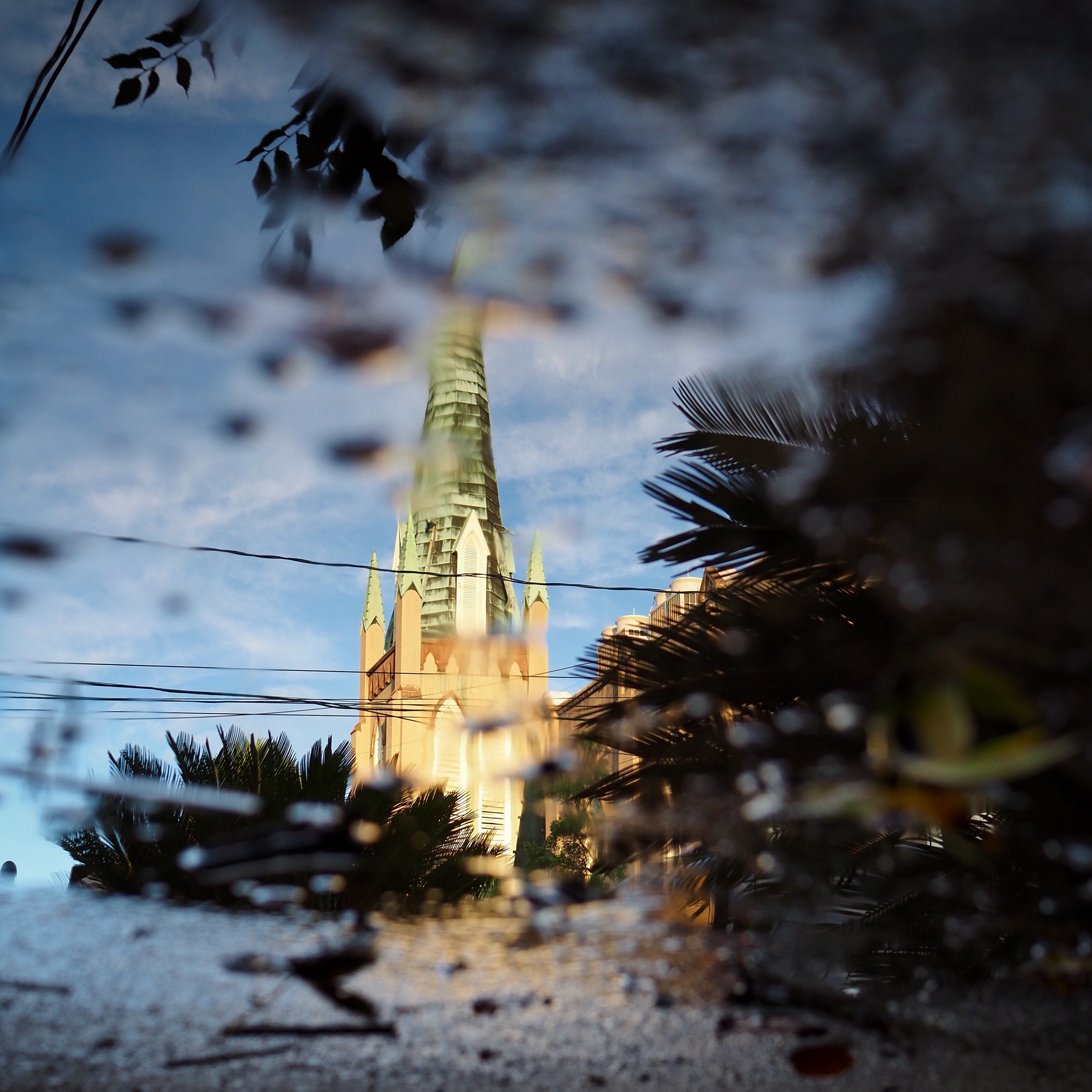
I think that I really fell in love with photography after purchasing, and shooting with, a used Fuji x100. It was a terrifically flawed little camera: autofocus was terrible, it was generally slow, and battery life was subpar. Furthermore, I didn’t really know what I was doing: I had shot on an iPhone for years and I didn’t really understand how to configure the x100 for semi-automatic shooting (e.g. setting aperture priority, the importance of difference ISO settings, etc.). Frankly, the x100 was probably too much camera for me at the time…but I loved it, nevertheless.
But as I’ve written about previously, I’m not entirely certain that I really enjoy shooting in the 35mm format. Some of that, I suspect, is associated with how I fell (back) in love with photography. I originally bought my Olympus OMD-EM10ii to travel to Cuba, and purchased a Panasonic 25mm 1.7 lens for the trip. While it’s inadvisable to take a new camera and lens with you when you travel, that’s what I did, and I walked out of Cuba with a lot of images that I really, really loved. I shot exclusively on the 25mm (50mm equivalent) and it lead me to understand how the lens worked in ways that I don’t think I’d have ever appreciated had also brought and use a zoom lens. However, I bought the lens because it was what reviewers said was a good ‘first’ lens insofar as it’s pretty versatile for anything and everything: you can do some portraiture (not really my cup of tea), can do landscape (as I did for that week in Cuba), and some architecture shots (also, as I did in Cuba).1 But without learning other focal lengths I was just going on what other people said the 50mm equivalent lens was good for without understanding from practice what I thought of it.
Fast forward to last week, when I travelled into the United States of America for a wedding and some quiet time in Savannah. Before I left I had to answer a hard question: what lenses should I bring with me? I decided to bring the Olympus 17mm 1.8 and the Panasonic 25mm 1.8, with the goal of trying to learn which I might prefer for general walkabout photography, and why I prefer one over the other.
To be honest, for general walking I think that I really enjoy the Olympus 17mm lens. I truly began to appreciate the ability to capture a broad scene, in excess of what the 25mm lens could capture. And I truly, absolutely, with all of my heart love the manual/automatic focus clutch; I tend to shoot exclusively in manual with the 17mm and it just feels right.2 I also started to come to terms with the differences in how the lens present colour; I don’t know that I prefer one or the other and, instead, just appreciate the differences that come from either one of them.3
However: I also learned that I really, really, really dislike how the 17mm presents humans — and in particular my own body — when not carefully used. I saw one picture in particular and was shocked: was that how I appeared? Was my entire sense of my body inaccurate?
I mean, I’m sure that my perception and the world’s perception of my body varies. But the 17mm could be incredibly unflattering if not used with a degree of deliberateness that I’ve never required with the 25mm. (It can also produce some pretty nice portraits, too, based on some shots a friend took of me.) For anyone who’s shot these two focal lengths for any period of time this won’t come as any kind of a shock. And I’ve seen enough online tutorials to know that what I saw was to be expected. However, I’d never actually lived the reality of having shots of myself, from 35mm equivalent and 50mm equivalent lenses, put beside one another. It’s meant that I have a pretty visceral and lived reality with either focal lens which is, in and of itself, a photography experience that I’m delighted to have had. Even if it made me question my body for a little bit until I figured out why some shots appeared one way, and others another!
I do a fair bit of personal reading that is like eating candy — i.e. fiction that caters to my guilty pleasures — and some that is like eating fibre — i.e. non-fiction and fiction alike that impress upon me the lived realities of other cultures, groups, and persons.
I just finished Adam Hochshild’s King Leopold’s Ghost: A Story of Greed, Terror, and Heroism in Colonial Africa and, at various points in the book, I felt like I’d been hit by a baseball bat. The kinds of actions which were taken against persons living in the Congo were, at their best, barbaric. What was most striking was how those historical facts were so carefully hidden away, destroyed, and removed from the minds of Western and African persons alike. I’ve read anti-colonial literature in the past but this was the first book that helped me genuinely appreciate the horrors inflicted by Western nations on persons around the world; the stories from the victims, quoted in their entirety, were particularly painful and sickening to read. I think that it’s also the book that has opened my eyes to some of the challenges around excavating history of colonialism, and how such excavation and hardship is the necessary pre-condition to coming to terms with the past: Western governments and elites buried the past and, before the past can be reconciled, it must first be made present in our daily lives.
“People matter. Meaning matters. A good life is not a place at which you arrive, it’s a lens through which you see and create your world.”
— Jonathan Fields
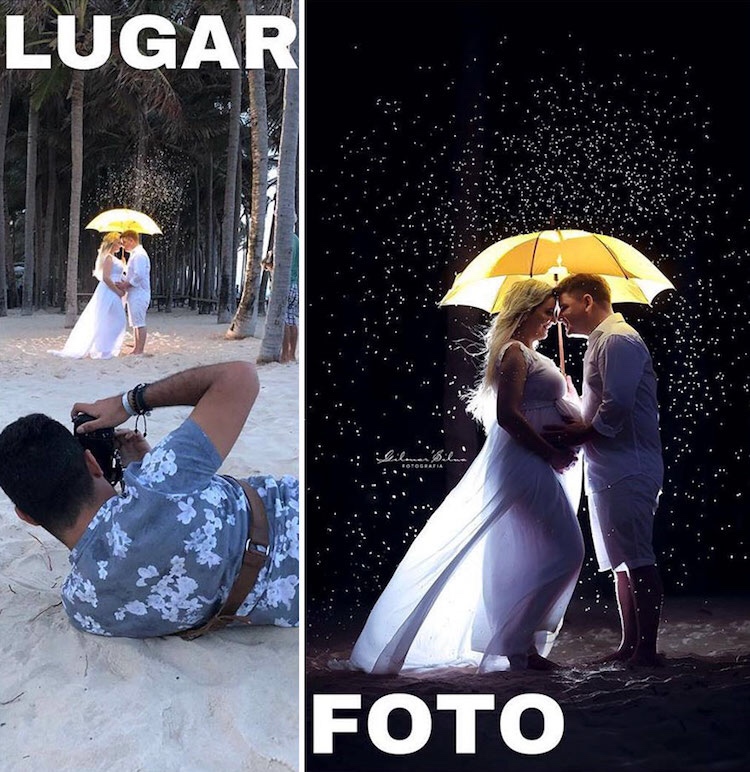
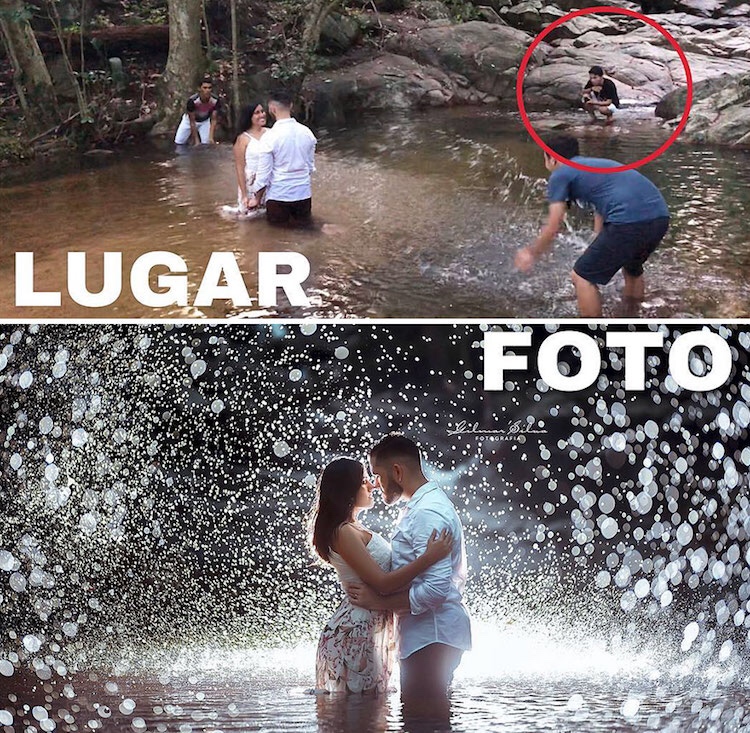
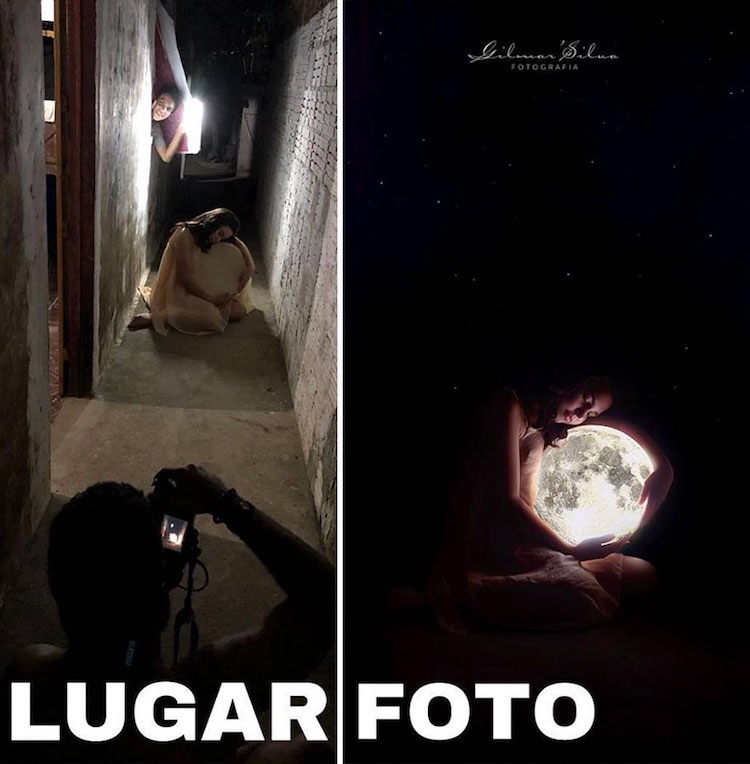
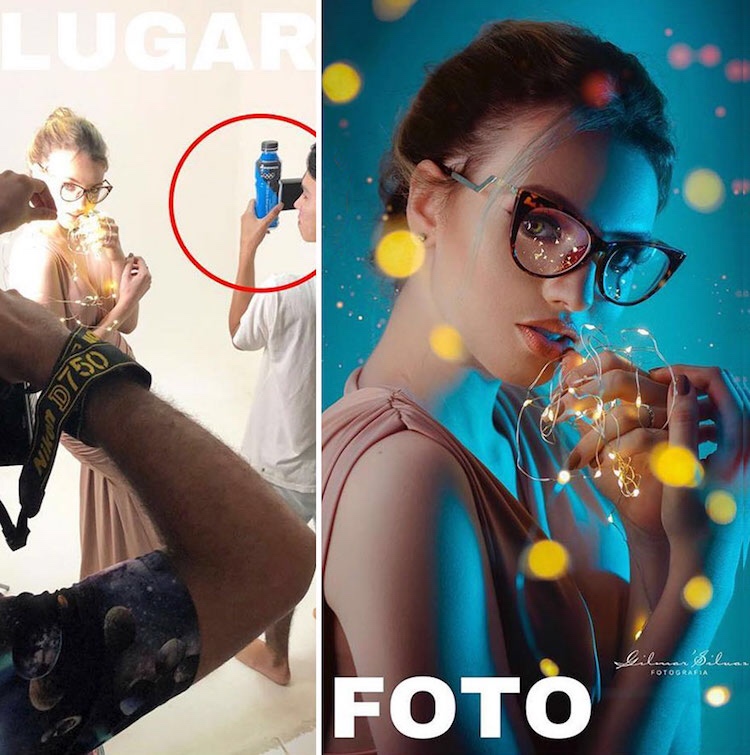
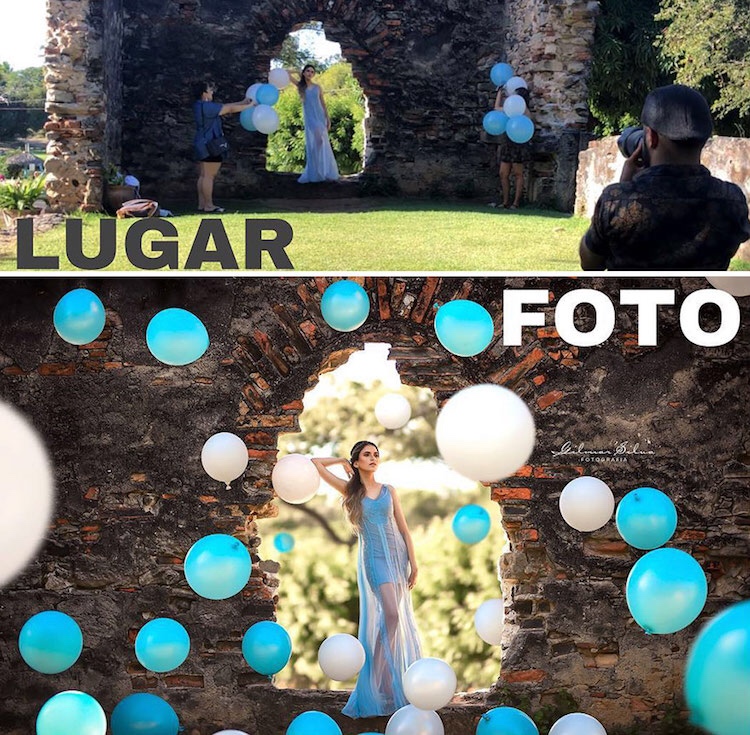
One of the things that I’m trying to get better with is presenting images according to how I imagined them. This is distinct from how things may have looked: I often want to transform the scene in some way to present something that was in excess or slightly aside from the scene itself. It’s for this reason that I really like Gilmar Silva’s shots that juxtapose the ‘before’ and ‘after’ portraits he takes. In taking us behind the scenes of a final shot it’s easier to think through the logistics and editing that may enter into making an image, as opposed to snapping a photo.

 Excited Pixels