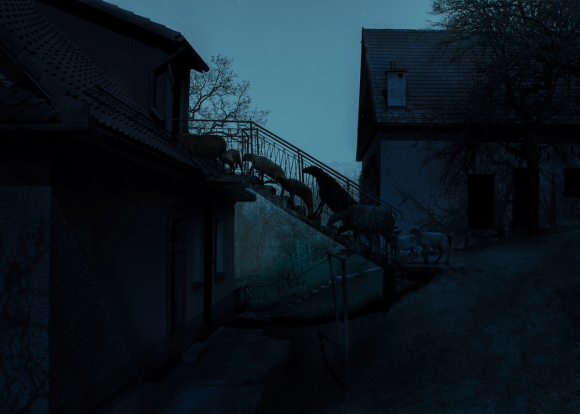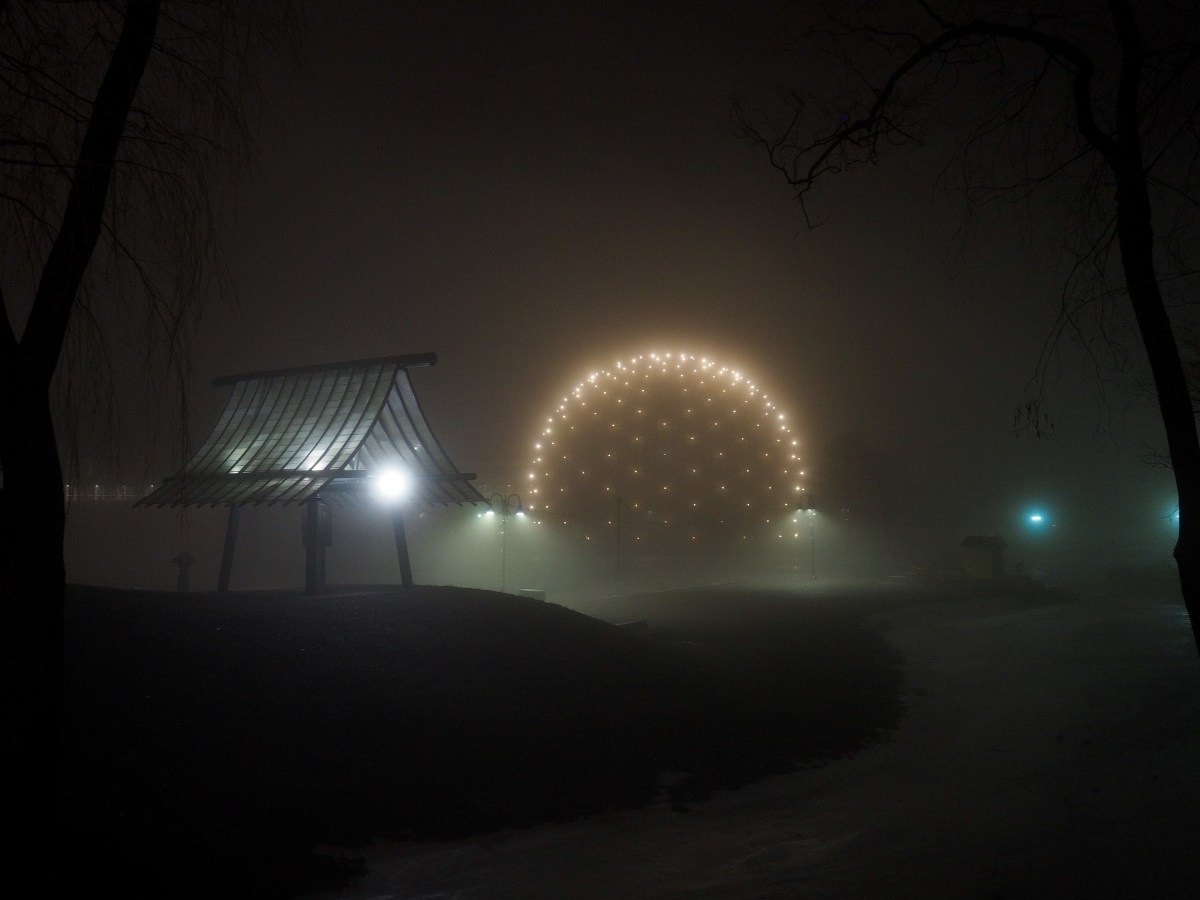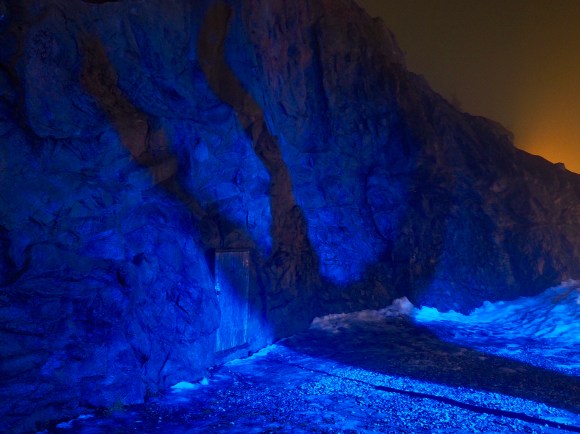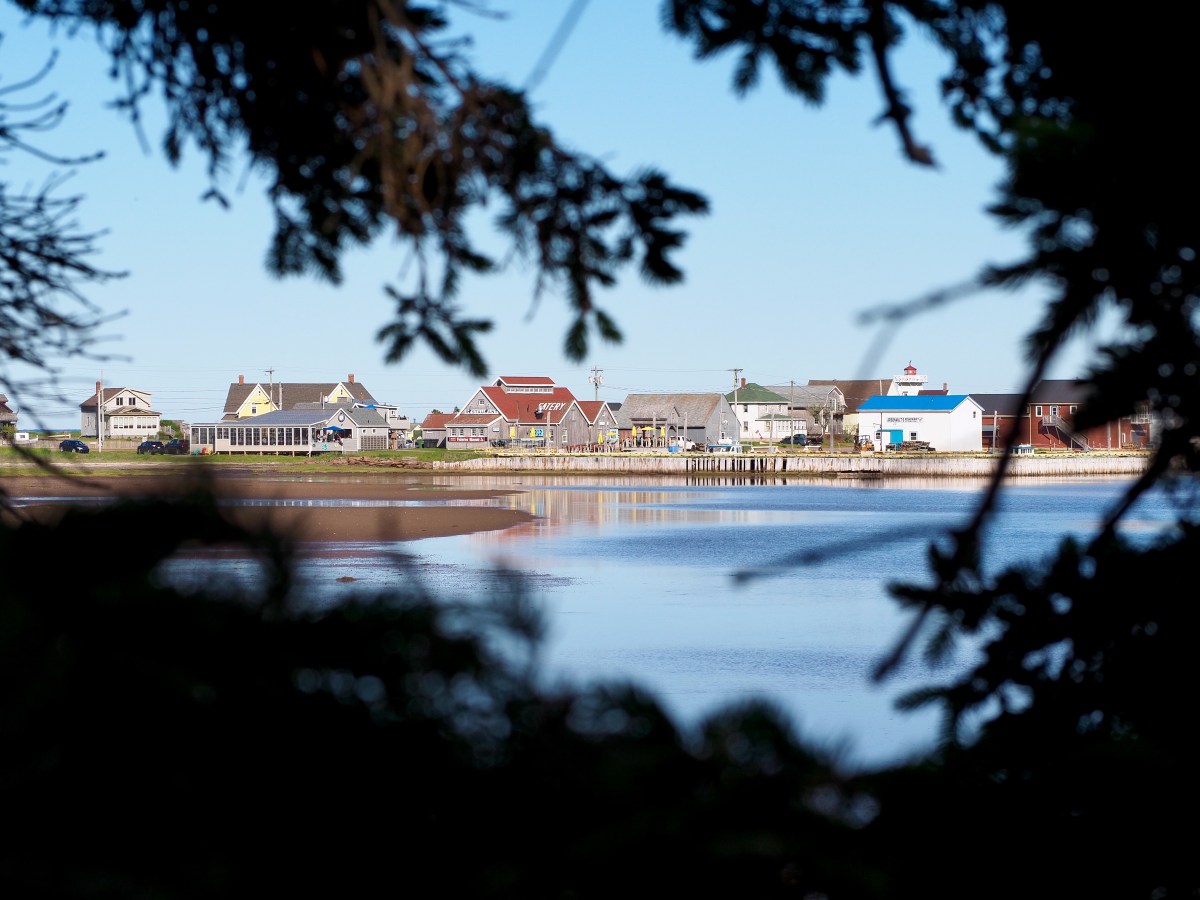

When I first bought my Olympus EM-10ii I immediately purchased Panasonic’s 1.7 25mm lens. My rationale was flawed: I assumed that the kit zoom lens was garbage and that a cheap prime lens would get me photos that would be substantively better than anything that the kit lens provided.1 Even after I figured out that I could take shots I enjoyed with both zoom lenses and the prime I tended to stick with the primes on the basis that I kept reading about the importance of shooting with primes.
Fast forward a year, and I started using my zoom lenses a lot, especially when I was travelling somewhere that would include nature shots. It’s been pretty normal for me to have a long zoom lens combined with an iPhone 7 for wide angle and panoramic shots. And over the past few months that I’ve been shooting at home I’ve tended to pick up and use the kit lens that came with my camera: there’s no way that what I’m trying to do with my lenses are outside of scope of what that lens can do.
The result has been that I’ve been using zooms a lot over the past 6 or 7 months. To the point that I hadn’t picked up a prime lens for months.
Yesterday I decided to just head out and shoot with my trusty Panasonic 1.7 25mm. It was a surreal experience, largely because I’ve gotten so used to the qualities of my zoom lenses that I had to spent at least an hour just getting used to the 25mm’s characteristics. Specifically, getting used to the different coloration, the ability to play with wider apertures, and my need to fully zoom with my legs. In the coming days I’m hoping to post some of the photos from the walk as well as the importance and value that I took from just taking the walk.
Inspiring Quotation of the Week
When our intentions toward others are good, we find that any feelings of anxiety or insecurity we may have are greatly reduced. We experience a liberation from our habitual preoccupation with self and paradoxically, this gives rise to strong feelings of confidence.
- Dalai Lama
Great Photography Shots
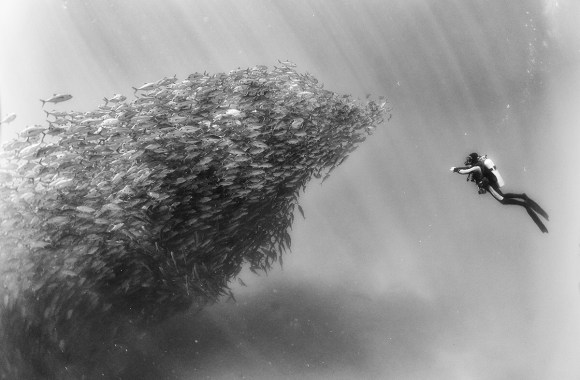
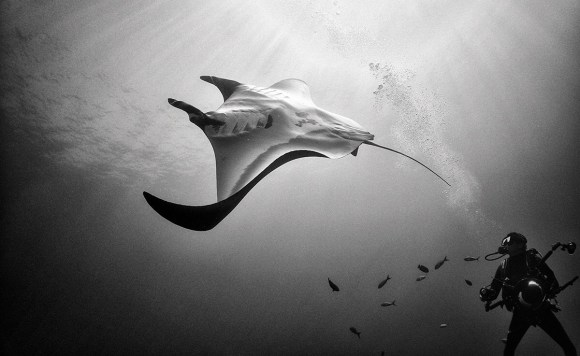
I’ve never actually looked at a series of black and white photographs of undersea life; Anuar Patjane Floriuk’s photos look like they emerge from some kind of a science fiction movie as opposed to the worlds under our seas and oceans.


Music I’m Digging
- Huaschka – Abandoned City // I find that the album is very haunting, and is exciting to listen to when concentrating on it alone while also functioning as nice background music when I’m reading or writing.
- Amy Shark – Love Monster // A very pop album. The song ‘Adore’ always bring a smile to my face.
- Johann Johannsson – Orphee // I haven’t listened to Johannsson’s work previously and found the composition of the orchestras he performs with are both accessible (good for someone like me who likes classical music but hasn’t yet learned enough to know which specific compositions are responding to/playing with one another) and fun to listen to through the lens of the Greek tale of Orpheus.
Neat Podcast Episodes
- The Agenda – Understanding Young Men in Crisis, The Agenda – Boys to Men, and The Agenda – Inside the Pain and Pleasure of Male Violence is a good series of podcasts that critically engage with how young men are drawn towards socially deviant behaviours as a result of changing conceptions of masculinity, methods of dealing with conflict, and basic life opportunities.
Good Reads for the Week
- In The Final Minutes Of His Life, Calvin Has One Last Talk With Hobbes // A beautiful imagination of the last interaction between Calvin and Hobbes. I loved those comics growing up and can easily imagine something like this as a far more serious bit of writing to close out the comic.
- A Privacy Researcher Uncovered a Year’s Worth of Breakups and Drug Deals Using Venmo’s Public Data // While it’s not surprising that a great deal of intimate information can be derived from public data, thus research once again demonstrates that persons often disclose information that is likely more personal than they considered, especially when it is combined with additional data points and data sources.
- What We Learned About Russian and U.S. Spycraft From Mueller’s Indictment of Hackers // A good summary of the technical detail that can be extracted from the indictment of Russian hackers, who are alleged to have interfered with the 2016 United States of America presidential election process.
- Companies, like people, don’t change // I don’t think that I hold as strong a position as Om; institutional theory says organizations can in fact change, but such change is unlikely to be absolutely dramatic as turning into a new institution.
- China expands surveillance of sewage to police illegal drug use // Testing sewage for drugs is definitely one way of detecting drug labs and the efficacy of drug busts. Based on court rulings authorizing police to analyze garbage that’s been put to the curb, I have to wonder what specific law would preclude this kind of surveillance in Canadian cities.
- What is the state of photojournalism in China? // ”Yang Shenlai added that little exposure to work published in international media (thanks to language barriers and China’s restricted internet) and the limit on topics Chinese journalists can cover lead to a lack of diverse approaches in storytelling.” While there are certainly Chinese photographers focused on the aesthetics of photography, there are fewer with the training, exposure, or expertise at the moment to engage in the storytelling aspect of photojournalism proper.
- Inside the World’s Only Chile Pepper Research Institute // I had absolutely no idea that the seeds aren’t what make chilli peppers hot but, instead, that the spicy heat is “in the filmy placental tissue, which sometimes rubs off on the seeds, making them spicy.”
- George Soros Bet Big on Liberal Democracy. Now He Fears He Is Losing. // A captivating long-form piece that discusses what Soros has sought to do, has done, and where he has failed to accomplish his goals. Spoiler: his bets on advancing democracy in illiberal regions of the world has not made the progress he had hoped.
- While We Sleep, Our Mind Goes on an Amazing Journey // A terrific long-form piece on the contemporary science of sleeping, inclusive of the fact that while we’re in REM sleep our body is physically unable to take action…which is a good thing, because the brain while we’re dreaming is actively trying to issue commands to our limbs.
- For a Brief, Glorious Moment, Camera-Wielding Pigeons Spied From Above // Actual shots taken with cameras which were attached to pigeons at the turn of the 20th century. Amazing!
Cool Things
- An entomologist rates ant emojis // Some of these descriptions are terrific. As an example, the review of Mozilla’s emoji is “This is a termite, -10/10.”
- Radkan Tower // 800 years ago, Iranian astronomer’s built an entire building that was able to identify the different seasons and account for when the solstice and equinox took place, as well as determine leap years and the start of Nowruz, the Iranian New Year. Amazing.
- I would note that I immediately took my camera and that prime lens to Cuba; I think that being forced into a single focal lens the whole time did result in me getting more shots that I would like. The constraints, themselves, were helpful when I was first learning the camera. ↩