
Categories
Momma



It’s become incredibly popular to attribute the activities undertaken by the Facebooks and Googles of the work to ‘surveillance capitalism’. This concept generally asserts that the current dominant mode of economics has become reliant on surveillance to drive economic growth. Surveillance, specifically, is defined as the act of watching or monitoring activity with the intent of using captured information to influence behaviour. In the world of the Internet, this information tends to be used to influence purchasing behaviours.
The issue that I have with the term surveillance capitalism is that I’m uncertain whether it comprehensively captures the activities associated with the data-driven economy. Surveillance Studies scholars tend to apply the same theories which are used to understand CCTV to practices such as machine learning; in both cases, the technologies are understood as establishing feedback loops to influence an individual or entire population. But, just as often, neither CCTV nor machine learning actually have a person- or community-related feedback loop. CCTV cameras are often not attended to, not functional, or don’t provide sufficient information to take action against those being recorded. Nor do individuals necessarily modify their own behaviours in the presence of such cameras. Similarly, machine learning algorithms may not be used to influence all persons: in some cases, they may be sufficiently outside the scope of whatever the algorithm is intended to do that they are not affected. Also, like CCTV, individuals may not modify their own behaviours when machine learning algorithms are working on the data those individuals are generating on the basis of being unaware of machine learning operating on their data.
So, where surveillance capitalism depends on a feedback loop that is directly applied towards individuals within a particular economic framework, there may be instances where data is collected and monetized without clear or necessary efforts to influence individuals. Such situations could include those where a machine learning algorithm is designed to improve a facial recognition system, or improve battery life based on the activities undertaken by a user, or to otherwise very quietly make tools more effective without a clear attempt to modify user behaviour. I think that such activities may be very clearly linked to monetization and, more broadly, an ideology backed by capitalism. But I’m not sure it’s surveillance as it’s rigorously defined by scholars.
So one of the things that I keep thinking about is whether we should shift away from the increasingly-broad use of ‘surveillance capitalism’ to, more broadly, talk about ‘data capitalism’. I’m not suggesting doing away with the term surveillance capitalism but, instead, that surveillance capitalism is a sub-genus of data capitalism. Data capitalism would, I believe, better capture the ways in which information is collected, analyzed, and used to effect socio-technical changes. Further, I think such a term might also capture times where those changes are arguably linked to capitalist aims (i.e. enhancing profitability) but may be less obviously linked to the feedback loops towards individuals that are associated with surveillance itself.
After approximately twenty months of work, my colleagues and myself have published an extensive report on encryption policies in Canada. It’s a major accomplishment for all of us to have finally concluded the work, and we’re excited by the positive feedback we’ve received about it.
“Ambition is a noble passion which may legitimately take many forms… but the noblest ambition is that of leaving behind something of permanent value.”
– G.H. Hardy
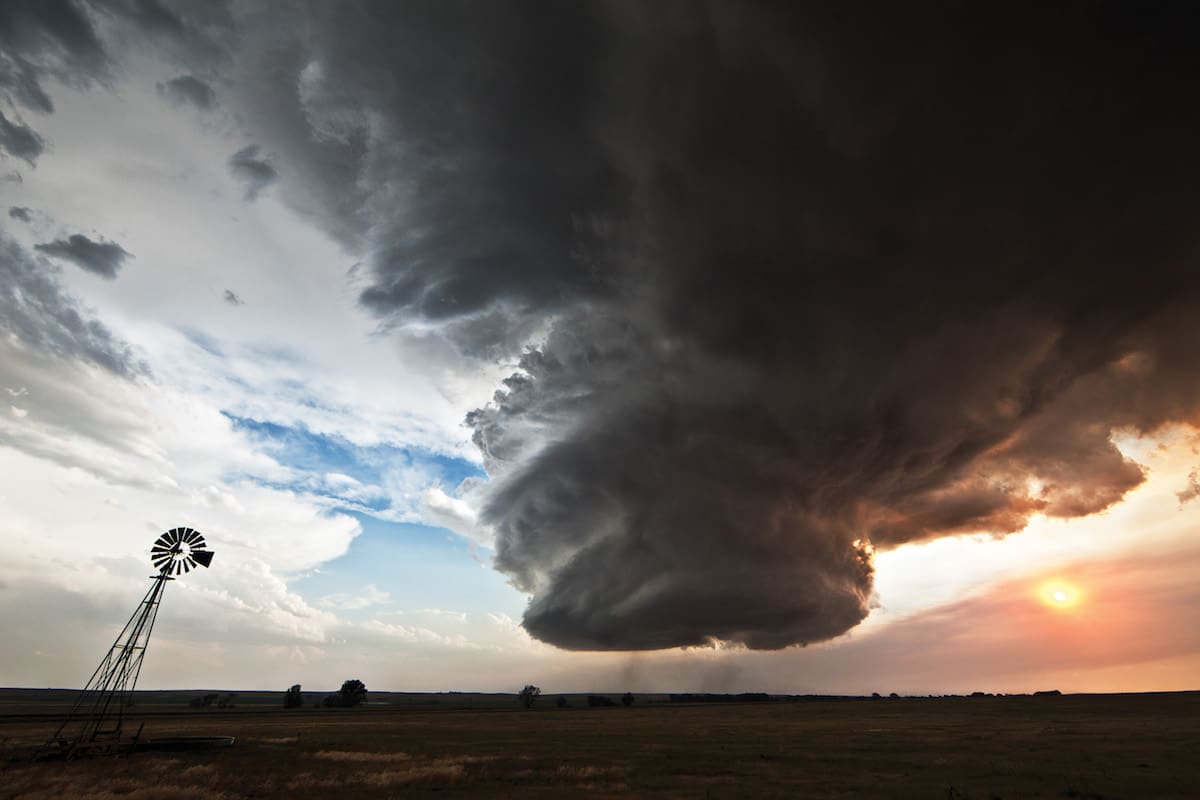
Some of these storm chaser photos are practically otherworldly.

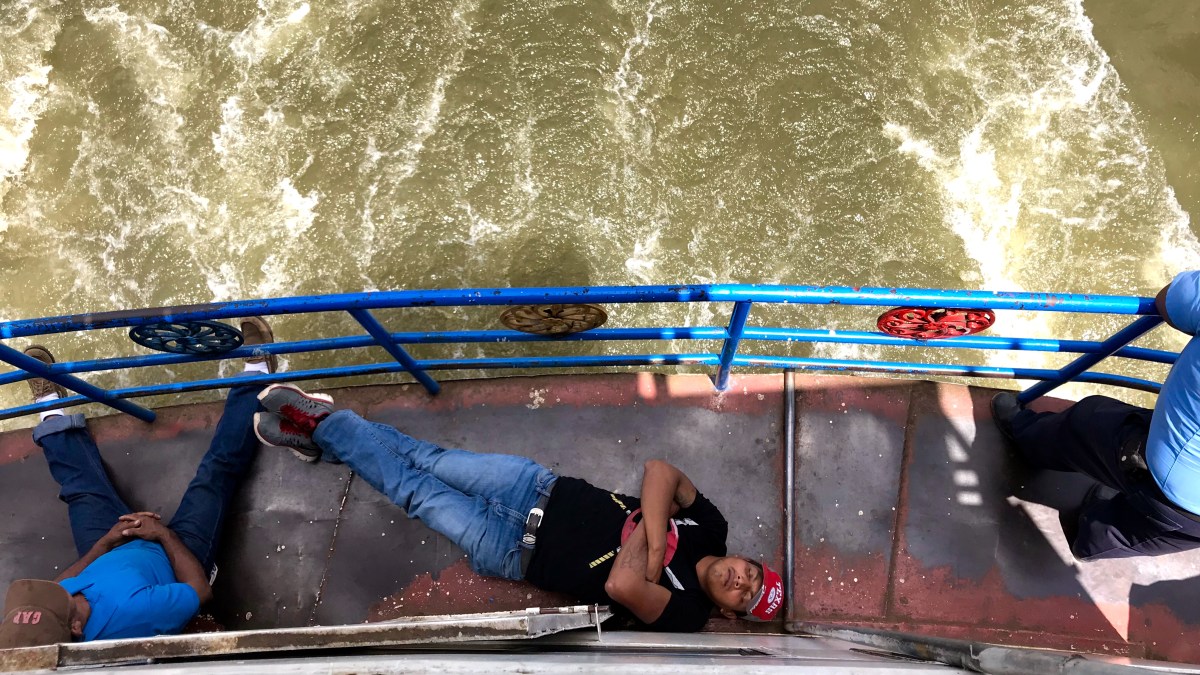

During my Master’s degree I was given the opportunity to provide feedback on early work being written by Jim Tully and Jurgen Habermas. Reading their work and thinking about it seriously and critically so as to suggest improvements taught me the importance of grace in feedback and, also, that even superstar scholars produce first drafts that leave significant room for improvement. Most importantly, it taught me that the finished material that I was reading in journals and books came from authors who’s draft writing was flawed, just like my first drafts.1
Engaging with drafts is probably one of the hardest things that you can do, because you want to be as helpful as possible and — at least in academia — that often means being incredibly critical of the work in question. The intent shouldn’t ever be to ‘kill’ the work; whatever criticism is provided ought to be nuanced with the view of improving it. A reviewer should indicate why a particular section, or paragraph, or sentence is a problem, provide ideas for resolving the tension if any come to mind, and even suggest alternate ways of thinking about the idea, concept, or text under review. At all points the goal should not be to edit and critique, not for the sake of editing and engaging in critique, but instead in the service of supporting the author so that their work communicates their ideas, descriptions, and conclusions in the most concise and illuminating ways possible.
Because the first authors I provided serious feedback to were paragons in my field at the time I had to be careful, nuanced, and generous in my comments. I had to really engage with the work and not give it a quick read and spit out half-baked analyses and critiques. Unfortunately, not enough reviewers of academic texts provide this kind of thoughtful response, likely because most reviewers are rushing to read and review the piece so they can get to their own commitments. As a result, comments and feedback can be abrupt, not engage with core arguments, and be overly brief to the point of being unhelpful to the author.
Reviewing is one of the most thankless jobs in academia, and more broadly in the literary community. Authors know the importance of strong reviewers. But this reviewing element of the writing process is entirely invisible to people who just read the finished work and, by extension, leads to conclusions that authors somehow produce brilliant prose out of nowhere. Lost is the fact that all manuscripts are really multi-authored; it’s just that the ‘lesser’ secondary authors who engage with the author at the earliest stages to course correct the text, to provide suggestions, and to suggest different phrasings, are left off. And that’s perfectly fine. But I think that it’d be a lot less scary for people to start writing if they realized that the process writing almost always involves a large number of non-authors who help to evolve a work from first to final draft, and how significantly ideas and intentions behind a work’s publication can change from inception to conclusion. In effect, I think it’d be useful to know that the ‘stars’ in any given literary field stand at the forefront of a small army of helpers, assistants, and supporters, as opposed to heroically on their lonesome with their finished manuscripts.
Paul Om wrote,
… I think the paywall craze which is sweeping the media herd will be a big reality check for the news and magazine publishers. So many of them are drinking their own spiked kool -aid. They will soon realize the size of their “real audience” and will soon realize that they don’t pass the “value for money” threshold. There are very few publications that have a feeling of must-reads and must-haves.
This feels pretty dead on; the issue, today, is that there is so much content that the act of choosing is the hard part. I think that the only content that is going to be subscribed to is either that which is regarded as essential to someone’s life or that they spend money on in order to focus their time and attention on it. Sure, there’s some popular media that will survive a shift to paywalls but I suspect a lot of organizations will realize just how little their readers actually value what was being produced. And that’s going to hurt for the media organizations and for the writers working there.
In many ways, fame is the industrial disease of creativity. It’s a sludgy byproduct of making things.
—Mike Myers
I really love these illustration by Jenn Woodall



In the wake of the Toronto attack any number of journalists are trying to become experts on the ‘incel’ community, which defines itself as a community of men who are involuntarily celibate and as deserving intercourse with women. It’s led to some suggestions that maybe it’s appropriate to think about policy solutions to the ‘problem’. At issue, of course, is that some persons have failed to recognize the problem itself. Consider Ross Douthat, who links Amia Srinivasan’s ruminations on the links between desire and politics with incels, effectively conjoining a misogynistic subculture with “the overweight and disabled, minority groups treated as unattractive by the majority, trans women unable to find partners and other victims … of a society that still makes us prisoners of patriarchal and also racist-sexist-homophobic rules of sexual desire.” Douthat continues to ultimately argue that a combination of commerce, technology, and efforts to destigmatize sex work will lead to “at a certain point, without anyone formally debating the idea of a right to sex, right-thinking people will simply come to agree that some such right exists, and that it makes sense to look to some combination of changed laws, new technologies and evolved mores to fulfill it.”
Douthat’s entire argumentative structure — that the ‘problem’ to solve in an inability to engage in sexual, if not romantic, relationships — is predicated on the notion that there is such a thing as a legitimate right to intercourse. There is not. There is a legitimate right to safe, respectful, and destigmatized sexual relationships and activities. There is a right to sexual education, to sexual health and wellbeing, but there is no right to intercourse: such a right would imply that the act of penetrating another person is necessary and appropriate. That is clearly not the case.
Instead, the problem with the incel community is linked with misogyny. Specifically, as Jessica Valenti writes, the problem is with misogynist terrorism, a situation where certain men’s disdain towards women drives mass murders. Part of solving this particular problem is linked with addressing the underlying culture in America, and the world more generally. Specifically, she writes:
Part of the problem is that American culture still largely sees men’s sexism as something innate rather than deviant. And in a world where sexism is deemed natural, the misogynist tendencies of mass shooters become afterthoughts rather than predictable and stark warnings.
The truth is that in addition to not protecting women, we are failing boys: failing to raise them to believe they can be men without inflicting pain on others, failing to teach them that they are not entitled to women’s sexual attention and failing to allow them an outlet for understandable human fear and foibles that will not label them “weak” or unworthy.
It’s essential that men, and boys, learn about how to engage with other humans in non-destructive ways. Such a process is borderline revolutionary because it entails reshaping how cultural, social, legal, and economic relationships are structured, and any such restructuring must be motivated by a rebalancing of power relationships across genders and races (and, ultimately, geographies). The outcome will be that the privilege that straight white men have enjoyed for centuries will be diminished and, correspondingly, restrict the social and economic opportunities that some men have enjoyed solely because of their gender and race. But those changes are essential if we’re to actually confront the misogyny and racism that underlies not just incel culture, but that of mainstream society and politics as well.
Writing—I can really only speak to writing here—always, always only starts out as shit: an infant of monstrous aspect; bawling, ugly, terrible, and it stays terrible for a long, long time (sometimes forever). Unlike cooking, for example, where largely edible, if raw, ingredients are assembled, cut, heated, and otherwise manipulated into something both digestible and palatable, writing is closer to having to reverse-engineer a meal out of rotten food.
- David Rokoff
I’d never seen x-ray photos of flowers before. It’s an absolutely breathtaking form of image making.

I shifted over to this domain name, and WordPress environment, a little over eight months ago. In addition to moving multiple years of content I also committed to at least one post a week though, ideally, would post many more than that!
I’ve been largely successful with meeting those goals. As such, I’ve been able to maintain a regular personal writing habit. It’s also meant I’ve locked down some of my ruminations and thoughts so that I can reflect on them later on down the line.
However, there are some things that I’m not entirely happy with. First, I’ve been privately writing small ‘reviews’ of books and movies but haven’t gotten around to posting them here. Part of that is wanting to do them ‘well’ and the other reason is that I’m trying to decide if I should have posts and then a master page that links to the posts, or just posts, or just a page. But expect that to be figured out pretty soon.1 I also really like the idea of putting up a gear/software list of things that I routinely use, and want to steal an idea from a friend of mine who posts the podcasts that she’s really into at any given time. And I want to put some thought into developing a public blogroll, likely based on the RSS feeds that I consume, though I admit that I’m not entirely sure of the utility of blogrolls in this day and age.
The reason for contemplating these changes to some of the content and structure? Mostly because I think I can move more of my writing to this location; there’ve only been a few times that I thought I was getting too ‘close’ to mimicking the work on my professional web presence or private journal, and even then the tone was sufficiently different that it belonged here as opposed to those other locations. But I’m also motivated to modify some of the content here because I want what I write to be interesting and useful for other people; I often find that bloggers’ reviews and insights about the things they use are the only way that I discover the existence of certain tools, products, workflows, and cultural items. So I want to give back to others, just as they have freely given to me and everyone else who visits (or has visited) their sites.
I spent some time this week writing about a recent proposal to significantly weaken the security of the devices we carry with us on a daily basis. In short, I think that the proposal:
doesn’t address the real technical or policy problems associated with developing a global backdoor system to our most personal electronic devices. Specifically the architect of the solution overestimates the existent security characteristics of contemporary devices, overestimates the ability of companies to successfully manage a sophisticated and globe-spanning key management system, fails to address international policy issues about why other governments couldn’t or wouldn’t demand similar kinds of access (think Russia, China, Iran, etc), fails to contemplate an adequate key revocation system, and fails to adequately explain why why the exceptional access system he envisions is genuinely needed.
Device security, and especially efforts to weaken it, fundamentally raises technical and policy issues. Neither type of issue can be entirely divorced from the other, and it’s important to recognize that the policy issues are both domestic and international; failing to address them both, at the same time, means that any proposal will almost certainly have terminal weaknesses.
“Do not let anything that happens in life be important enough that you’re willing to close your heart over it.”
— Michael A. Singer
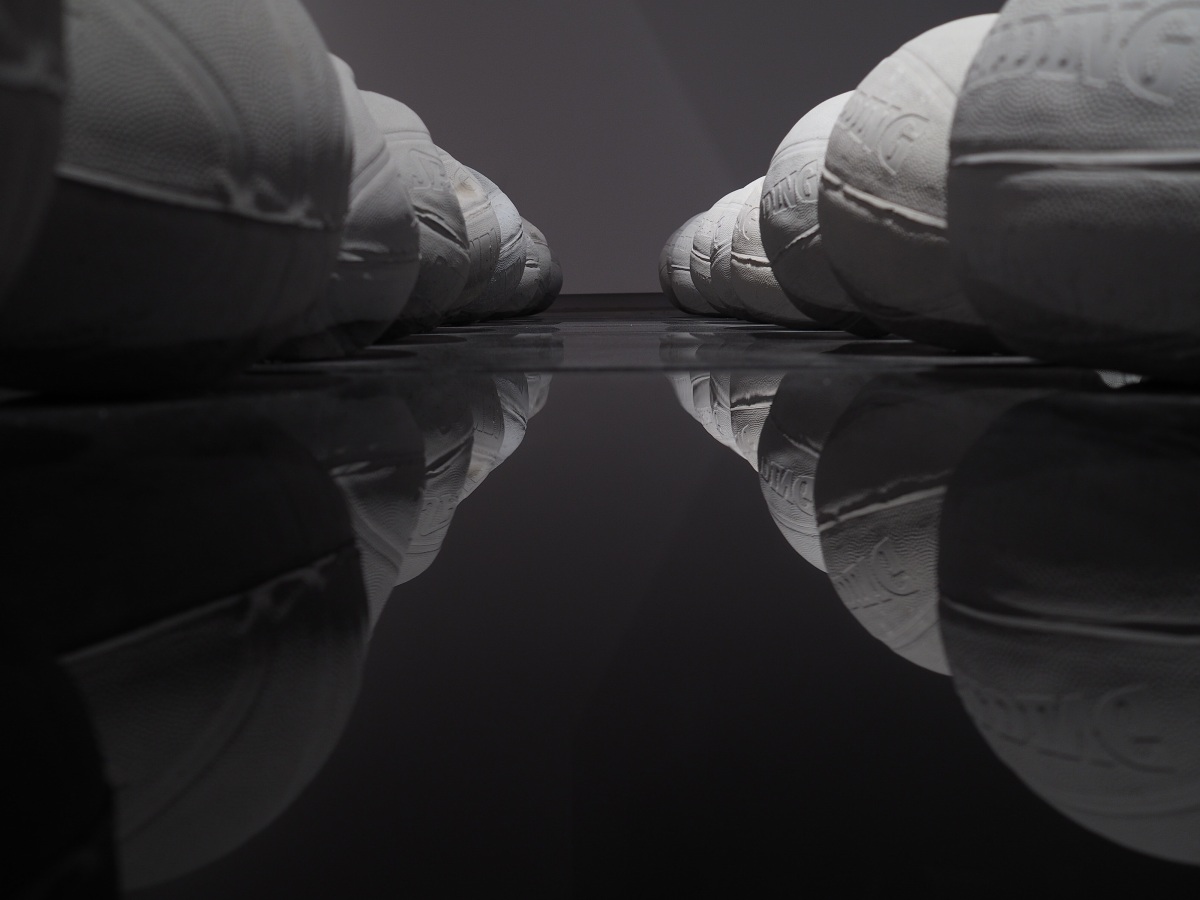
The shots from this year’s Sony 2018 World Photography Awards are stunning. Here are some of my favourites:




I owe a lot to Instagram. Starting in January 1, 2017 until October 2017 I began a project of uploading a photo a day (or thereabouts) and, in the process, I learned an awful lot about how to use my cameras, shots that I tend to prefer taking, and the cool stuff you could do by looking at other photographers’ shots.
It was pretty great.
But for reasons I’ve previously written about I’ve drifted away from regular postings to Instagram or even taking photographs with the regularity of the last year. Specifically, I wrote:
… something is changing in how I approach photography itself, at least right now: I don’t want as many amber memories, and instead want to enjoy the development and unfolding of certain memories, and feel more comfortable in the knowledge that the ‘final’ memories I’ll have will be even more subjective than those associated with photographs. Some will even vanish in their entirety.
In fact, from November 2017 – April 2018 I didn’t post a single photo to Instagram and only logged in once or twice.1 But my not uploading photos has been nagging me because I know that part of why I was taking shots — and getting good ones! — was because I had been actively trying to upload stuff on a regular basis. Instagram was a method for pushing me to practice my own skills and, occasionally, receiving feedback on the shots I was getting.
So I dipped my toe back in, with a fresh upload, and then started to browse my feed. As usual, there were great photographs from the photographers that I follow.2 But there were also a lot of ads. I mean, every 5-7 images was another ad. That really, really, really sucked because it made the platform a lot less enjoyable to browse and look at; it was less a network of people, and more an ad network that was interspersed with real people’s photographs.
So what I’m going to do is upload a photo a week, or so, to Instagram because I’d like to keep my profile alive. But I’m not going to invest the time in the platform that I did in the past. And, instead, I’m going to reflect on where I want to put my content, why I want it there, and with what regularity I want to upload photos to the public Internet. That’s part of an activity I’ve been undertaking over the past year but I’d honestly thought that Instagram might remain a fun place to interact with people. Sadly, it looks like that might not be the case after all.


Earlier this year, I suggested that the current concerns around Facebook data being accessed by unauthorized third parties wouldn’t result in users leaving the social network in droves. Not just because people would be disinclined to actually leave the social network but because so many services use Facebook.
Specifically, one of the points that I raised was:
3. Facebook is required to log into a lot of third party services. I’m thinking of services from my barber to Tinder. Deleting Facebook means it’s a lot harder to get a haircut and impossible to use something like Tinder.
At least one company, Bumble, is changing its profile confirmation methods: whereas previously all Bumble users linked their Facebook information to their Bumble account for account identification, the company is now developing their own verification system. Should a significant number of companies end up following Bumble’s model then this could have a significant impact on Facebook’s popularity, as some of the ‘stickiness’ of the service would be diminished.1
I think that people moving away from Facebook is a good thing. But it’s important to recognize that the company doesn’t just provide social connectivity: Facebook has also made it easier for businesses to secure login credential and (in others cases) ‘verify’ identity.2 In effect one of the trickiest parts of on boarding customers has been done by a third party that was well resourced to both collect and secure the data from formal data breaches. As smaller companies assume these responsibilities, without the equivalent to Facebook’s security staff, they are going to have to get very good, very fast, at protecting their customers’ information from data breaches. While it’s certainly not impossible for smaller companies to rise to the challenge, it won’t be a cost free endeavour, either.
It will be interesting to see if more companies move over to Bumble’s approach or if, instead, businesses and consumers alike merely shake their heads angrily at Facebook’s and continue to use the service despite its failings. For what it’s worth, I continue to think that people will just shake their heads angrily and little will actually come of the Cambridge Analytica story in terms of affecting the behaviours and desires of most Facebook users, unless there are continued rapid and sustained violations of Facebook users’ trust. But hope springs eternal and so I genuinely do hope that people shift away from Facebook and towards more open, self-owned, and interesting communications and networking platforms.
The brands themselves aren’t the problem, though: we all need some stuff, so we rely on brands to create the things we need. The problem arises when we feel external pressure to acquire as if new trinkets are a shortcut to a more complete life. That external pressure shouldn’t be a sign to consume. If anything, it’s a sign to pause and ask, “Who am I buying this for?”
I was really stunned by Zsolt Hlinka’s architectural photography, which was featured on My Modern MET.


1. Few people vote. And so they aren’t going to care that some shady company was trying to affect voting patterns.
2. Lots of people rely on Facebook to keep passive track of the people in their lives. Unless communities, not individuals, quit there will be immense pressure to remain part of the network. ↩

Photographing something that captures the situation you’re in emotionally and in life, while reflecting something about wherever you are in space, can be a deeply revelatory experience. When I try to take such shots I’m often alone with just some music or podcast and a camera, and exploring areas that are sometimes brand new and other times are well tread shooting grounds. Sometimes I want to get a particular ‘feeling’ — one that, only afterwards, I tend to realize reflects where I was emotionally at the time — and other times I want to deliberately try to shoot for a certain kind of colour, shadow, or pattern. Quite often, it’s only after looking at photos taken during the session that I realize that a certain kind of emotion was really behind my shooting choices.
If I’m being honest, the experiential nature of photography really only hits me as I look through my photos, after taking them, after processing them, and after I set them to display through my TV (my ‘best of’ photos are my Apple TV’s screensaver). I need to see them, repeatedly, in order to appreciate what is in them. Sometimes it’s months before I really realize what was really going on in a given photo. Sometimes, even years later, I may know that particular shots are important to how I was at the time but still can’t quite describe why I know this to be the case. I can (at least somewhat) deconstruct the technical elements of the photos but can’t necessarily also identify the meaning of the photo I took.
At the same time, there are times when society asserts that I “should” want to hunt for photos, but I’m disinterested in doing so because I don’t want to try and capture the emotional or physical space I’m in, in the amber that is a photograph. Sometimes I want to ride out experiences; rather than hold onto them in perfect perpetuity, I want to leave them in the malleable space of human memory with the knowledge that how I remember the past will inevitably change over time as the temporal distance between my current existence and that memory grows and extends. Sometimes I want to experience to grow and contract, through and with me, instead of act as a defined anchor to a given time or place.
It’s that difference — between choosing to hold times in the amber of a photo versus storing it purely in the mind — that I’ve been mulling in my mind for the past little while. Some of the photos I have manage to capture times that are joyous, others melancholy, others full of light and joy, and yet others alienation and loneliness. And I tend to tightly hold onto the meaning of the photographs I’ve taken: I don’t go out of my way to explain my photography to anyone else, nor do I think it’s something that I need to do. Shutter therapy is just that: a kind of physical and intellectual therapy. But there are specific moments that I deliberately keep separate from my camera, and they’re often times wherein people are most likely to entrap time in amber, such as vacation or celebration. But I’ve found myself less and less excited to engage in such photography over the past several months.
I’m not entirely certain why: perhaps the weather has just been so miserable that it’s had an impact on my motivations to shoot. But equally possible it’s because something is changing in how I approach photography itself, at least right now: I don’t want as many amber memories, and instead want to enjoy the development and unfolding of certain memories, and feel more comfortable in the knowledge that the ‘final’ memories I’ll have will be even more subjective than those associated with photographs. Some will even vanish in their entirety. I don’t know why this is my current state of mind but, regardless, it’s an interesting intellectual moment that is prompting reflection on my photography, what drives it, and the relationship between amber memory and living memory.
“If you can change one thing about yourself then please be kinder and change how you end things because it matters way more than how you begin them.”
– Sartaj Anand
Many of the winning shots for the Smithsonian’s 15th Annual photo contest are just spectacular.

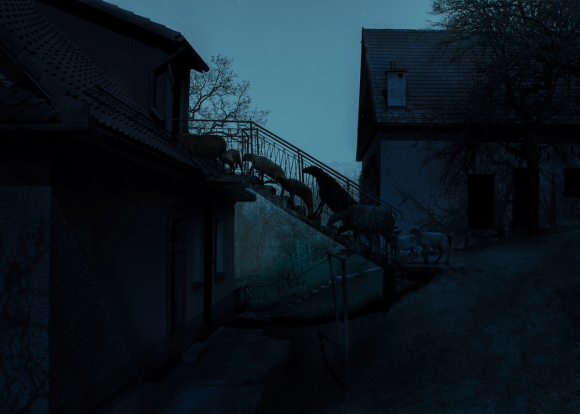

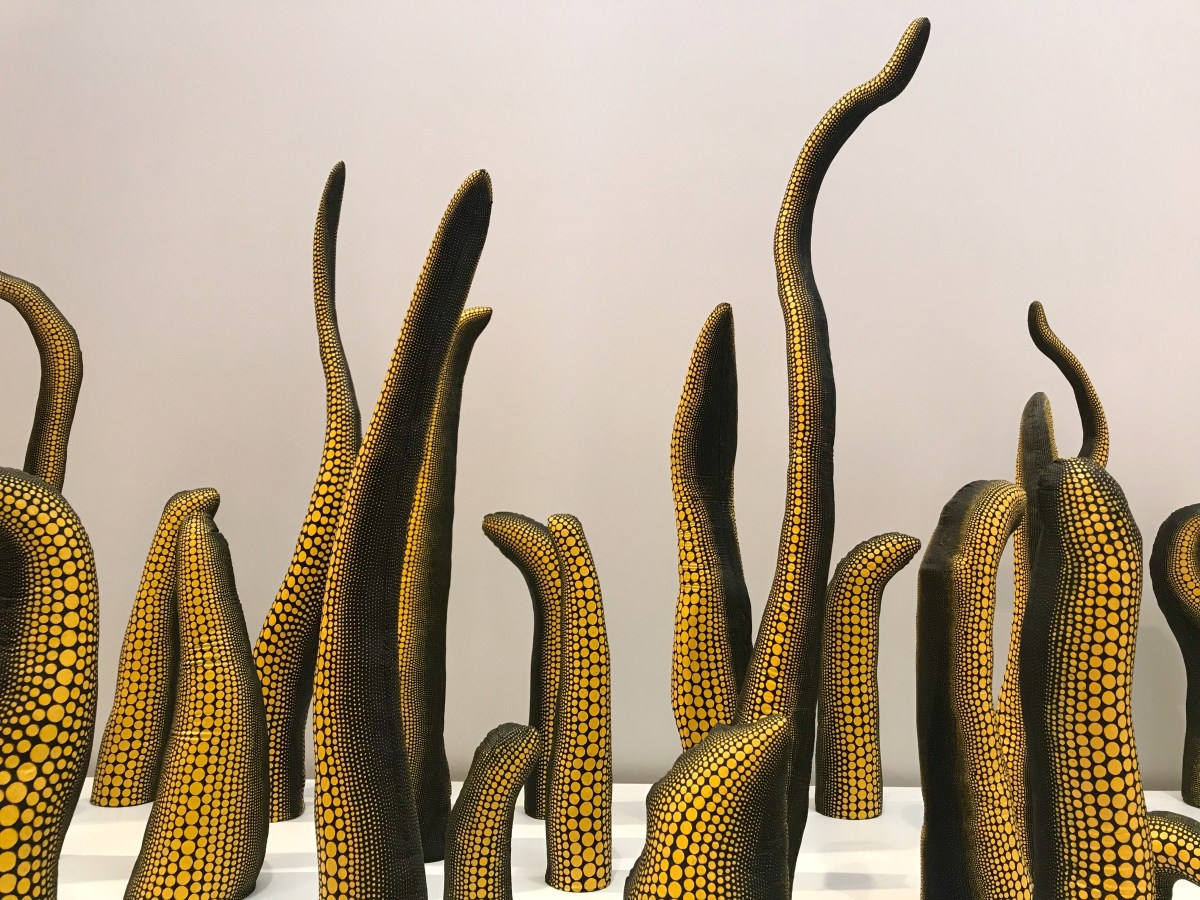

This has been a particularly grey week — the weather has been mostly overcast and slightly rainy — and it’s had all the hallmark effects on my mood and attitude as it did when I lived on the west coast of Canada. With hindsight, I can see that some of the depressive funks I fell into while doing my PhD were the result of the weather, combined with diet and work/life imbalance. And when I was on the west coast, I discovered that getting in some significant amount of walking each day was what it took to fight through those funks.
Cue this week, and the solution has been getting into an exercise room and just doing work I didn’t really want to do, but which I intellectually knew would improve my perspective on life as soon as I was done my circuit. Unsurprisingly, each day that I dragged myself to exercise helped to improve my next day. In the UK, this has been taken a step further, and persons who are experiencing seasonal affective disorder, anti-social behaviour, or other mental health challenges are being prescribed exercise, socialization, and related activities that are meant to naturally modify the chemistry of their bodies and brains. No pills or drugs required.
It strikes me that such prescriptions could have a range of positive outcomes. First and foremost, for those who ‘fill’ the scripts, they might derive relief from the symptoms affecting them. That’s a clear win. But, second, it would have the effect of pushing people who might avoid certain kinds of physical activity to be there, with others, and realize that the portrayals of ‘fit’ or ‘active’ people in the movies and television tend to be drastically out of step with reality. I know that in my own case, I had this idealized idea of what people looked like when they exercised, how hard they worked, and so forth. But by going and exercising I’ve improved upon my own sense of my body by, first, doing some exercise but, second, seeing that the persons who are exercising look an awful lot like me.
In other words, developing a pretty regular exercise routine has had the dual effect of improving my mental health by just pushing my body, as well as improving my sense of bodily self-worth by destigmatizing my (pretty normal) body. I imagine that were more and more people gently pushed to get into workout rooms, running groups, or other socialized exercise spaced they, too, would experience that similarly destigmatizing experience.
Unsurprisingly, I was crazy impressed by several of the images which were submitted to, and won at, the 2018 Sony World Photography Awards.



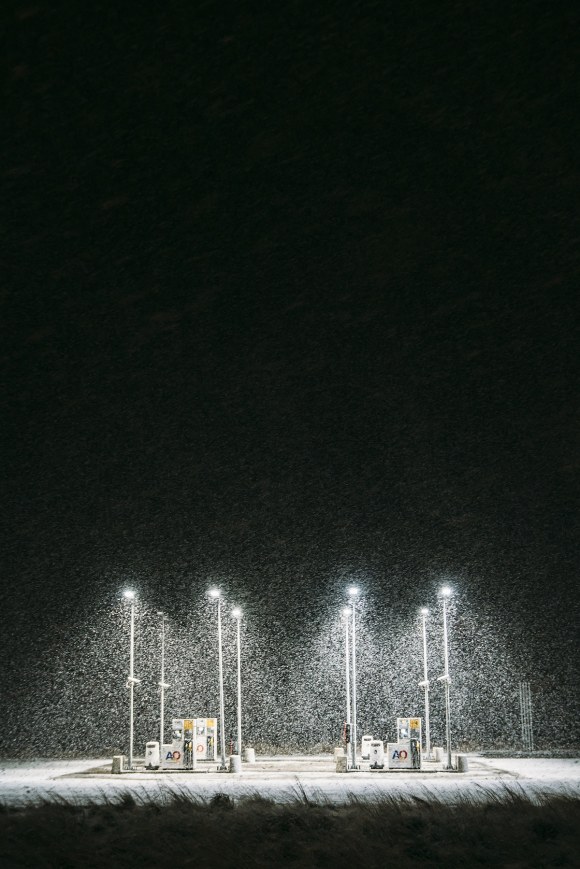

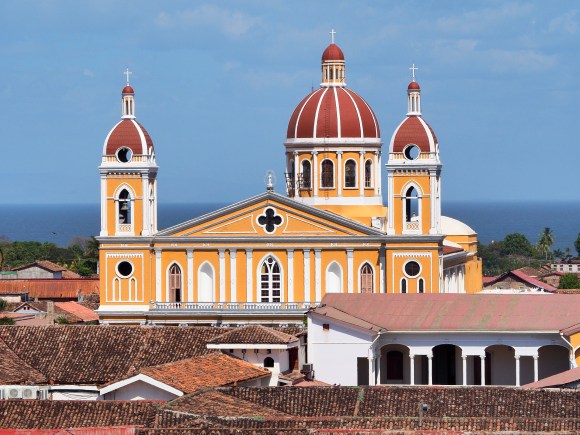
For many years I’ve kept paper records of the things I’ve done in a given week. The rationale for keeping track is that I can be very busy, get a lot of real work done, but quickly forget about it because I routinely task shift between major projects. The result of this shifting is that I often produce thousands of words a week and forget about them once published. Keeping records has helped to ameliorate this forgetfulness problem.
In more recent years, rather than letting my week get filled up with ‘what I’ve done’ I’ve developed lists to try and keep me focused on the most important things. That has worked reasonably well, save that a lot of ‘extras’ get added to my week and then I’d typically just list them down with all of the planned tasks. So it looked like I was getting a lot done but, when I reviewed those lists a few weeks or months later, I couldn’t determine which were intentional versus unintentional tasks. During this period I also started to have a master list of my professional and personal objectives for a given week, and crossed them off as I finished them up. Tasks that didn’t get done tended to be moved to the subsequent week and, at the end of a work week, I’d have a short narrative explanation for what I did, why I did it, and how I felt about my professional and personal life during that period of time. That narrative component was important because it forced me to reflect at the end of the week on how the week had gone: pure lists didn’t compel that kind of introspection and, as such, weren’t as helpful for facilitating my personal development.
This year, things are (again) slightly different. I’ve separated out personal and professional tasks, for one: I continue to maintain a professional notebook but instead of also including a long list of my personal goals for the week, only highlight the top two or three personal items. I also have a section in my professional notebook for ‘extras’, or things which other people place on my schedule and which I accomplish in a given week. This helps me to segregate out how much of my work — and work accomplishments — are ‘mine’ versus belonging to others.
I also now have a pair of ‘personal’ notebooks; one is very tiny and travels everywhere with me. In addition to goal tracking I use it to record highlights from some books I’m reading, record useful quotations, or otherwise collect mental items that I want to retain longer-term. At the end of each week I move the items on the task list into my long-term personal notebook; other items (e.g. quotations, book notes, etc) are moved over when appropriate, such as when I’m done with reading a book for personal development and have concluded taking notes from it. On the Sunday or Monday of each week (i.e. very end of one week or very beginning of the next) I undertake a narrative reflection on how my personal life unfolded.
I’ve found that this system has been helpful for advancing my projects. It means that my work projects are always moving ahead a little each week, or that a single project enjoys a significant advancement if I almost entirely concentrate on it. Because I have a deliberate system planned out I can always find something else ‘productive’ to do if I’m stuck on a task or complete the element of a project I’d assigned myself in a given week. Having a deliberate series of tasks to complete also helps me to say ‘no’ to requests: if it’s important, and will take some time, then it gets moved to next week’s ‘todo’ instead of being taken up right away.1 In tandem with maintaining a deliberate task list I’ve taken to recording monthly highlights: I go through and identify the major victories over a given month (e.g. writing, speaking, planning, etc); this is useful to capture what I’ve been up to in a given month as well as to potentially advocate for pay cheque increases when my contract is renewed.
On the personal side, the system I’ve adopted of establishing weekly goals means I’m genuinely working on my more measurable yearly goals. It also means that I can always identify something ‘productive’ that I can spend time on, rather than just burning away a lot of time playing video games or watching Netflix. That’s not to say that all of my personal time is spent working! Projects I assign myself can range from reading fiction a few times in a given week, working through a backlog of high-quality magazine articles, exercising, or just organizing/cleaning my home. The point is to spend my personal time more deliberately, not to cut myself off from things that bring me joy and pleasure.
So far this system has served me well and keeps me relatively well grounded in my personal and professional life. It’s not as complicated or ornate as some of the task management systems that other people use. It doesn’t entail scheduling each and every second of my day, because I know that such organization systems just won’t work for me. It also means that there remains a lot of ‘gap’ time that’s filled with miscellaneous activities and opportunities, meaning that my life is relatively self-scheduled without being over-scheduled.
What system have you found works best, for you, to advance your professional and personal goals, projects, and objectives?
“I strongly believe that the amount of love and care you put into a project is always apparent. Even if people are not conscious of it, they can sense when you have paid attention to every little detail.”
– Jocelyn K. Glei
I really love these shots that Yuichi Yokota took of Tokyo during snowfalls.



Have a WordPress.com account? Log in now.

