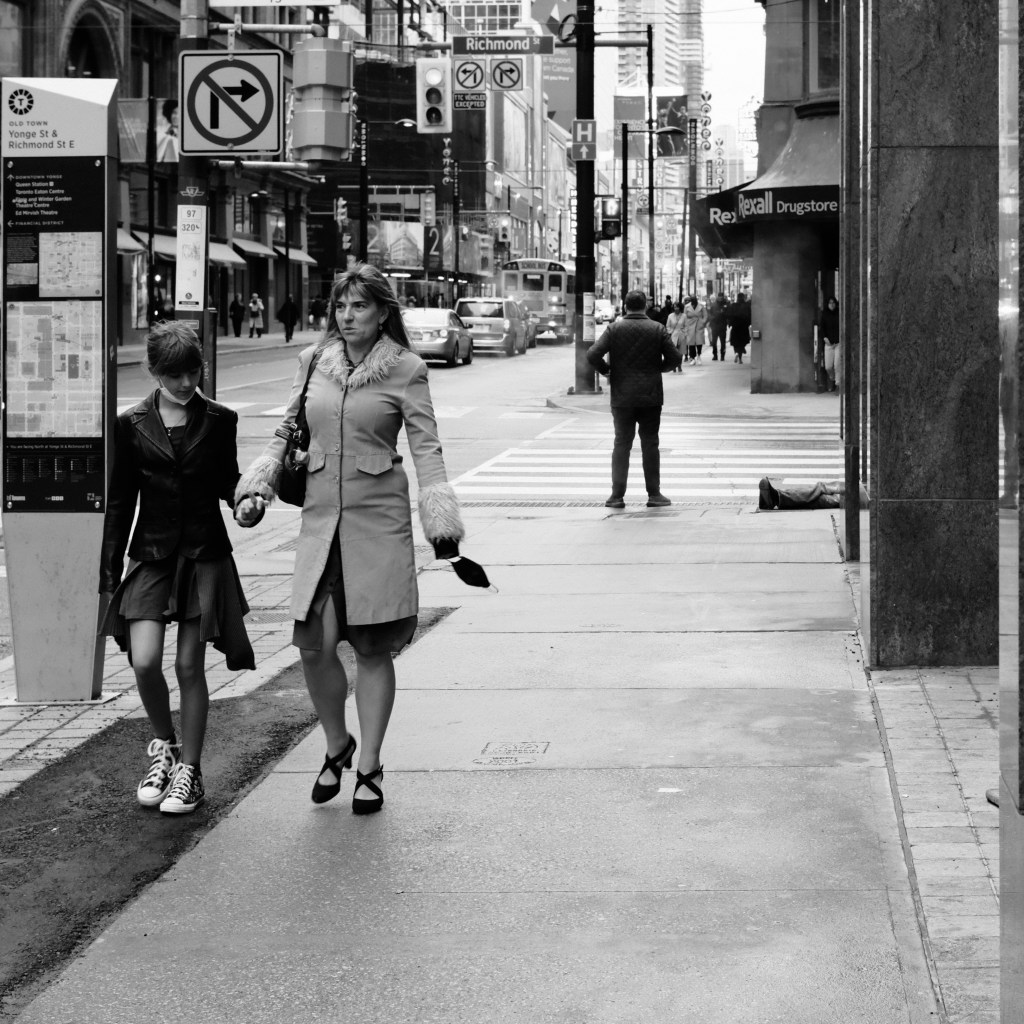
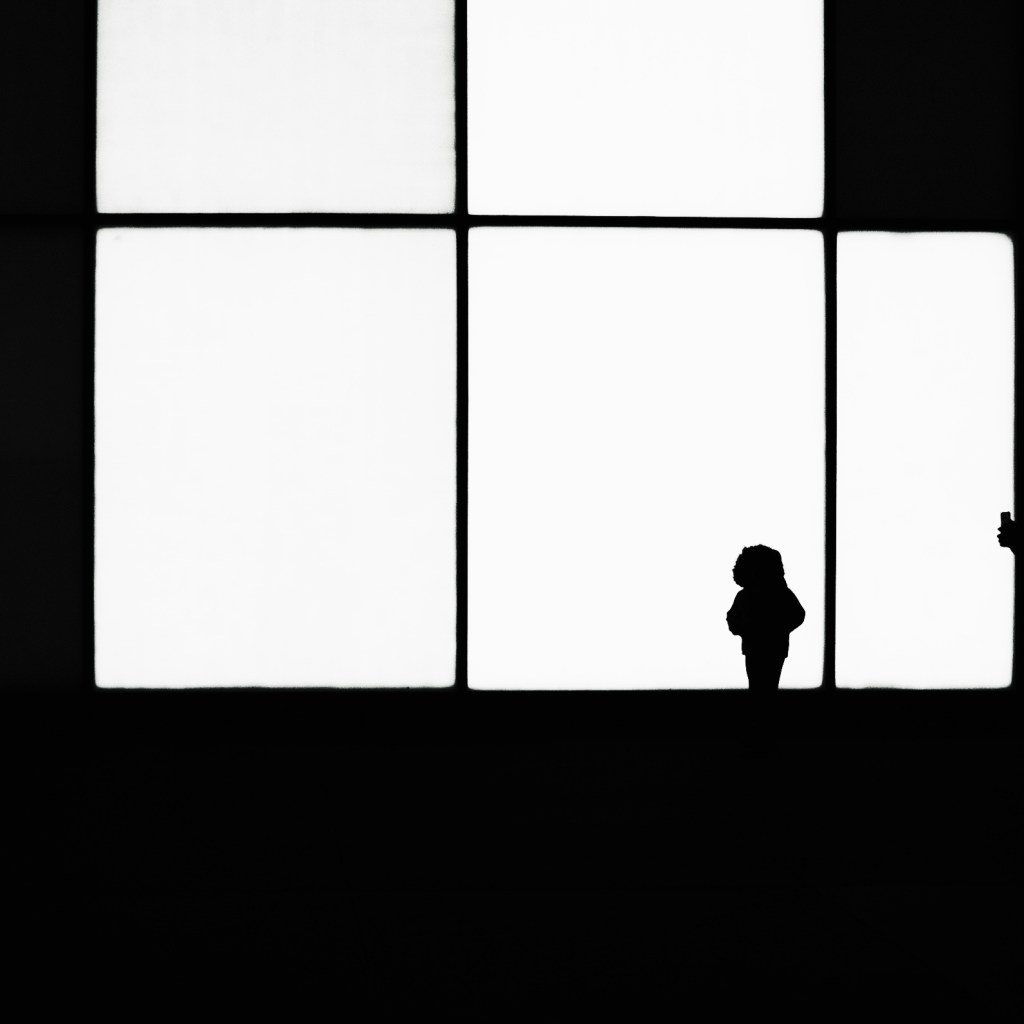
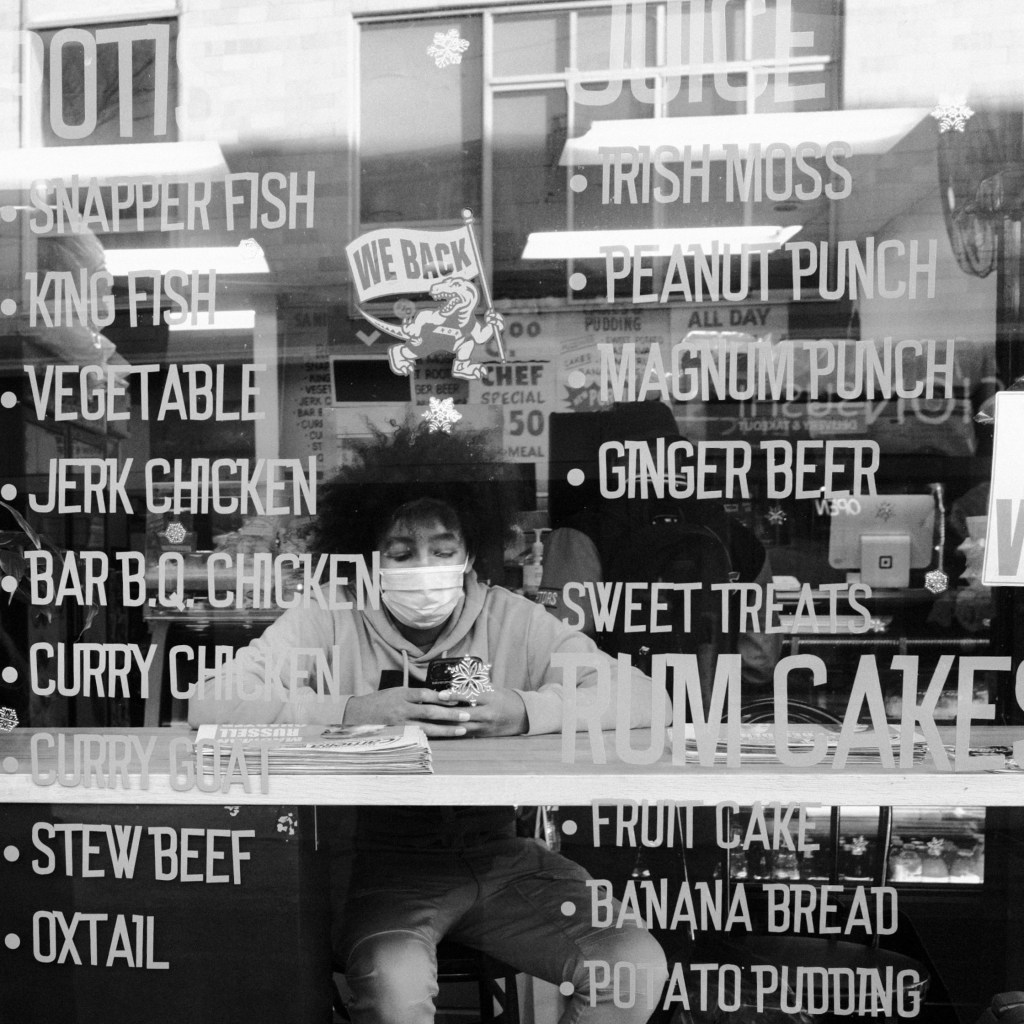
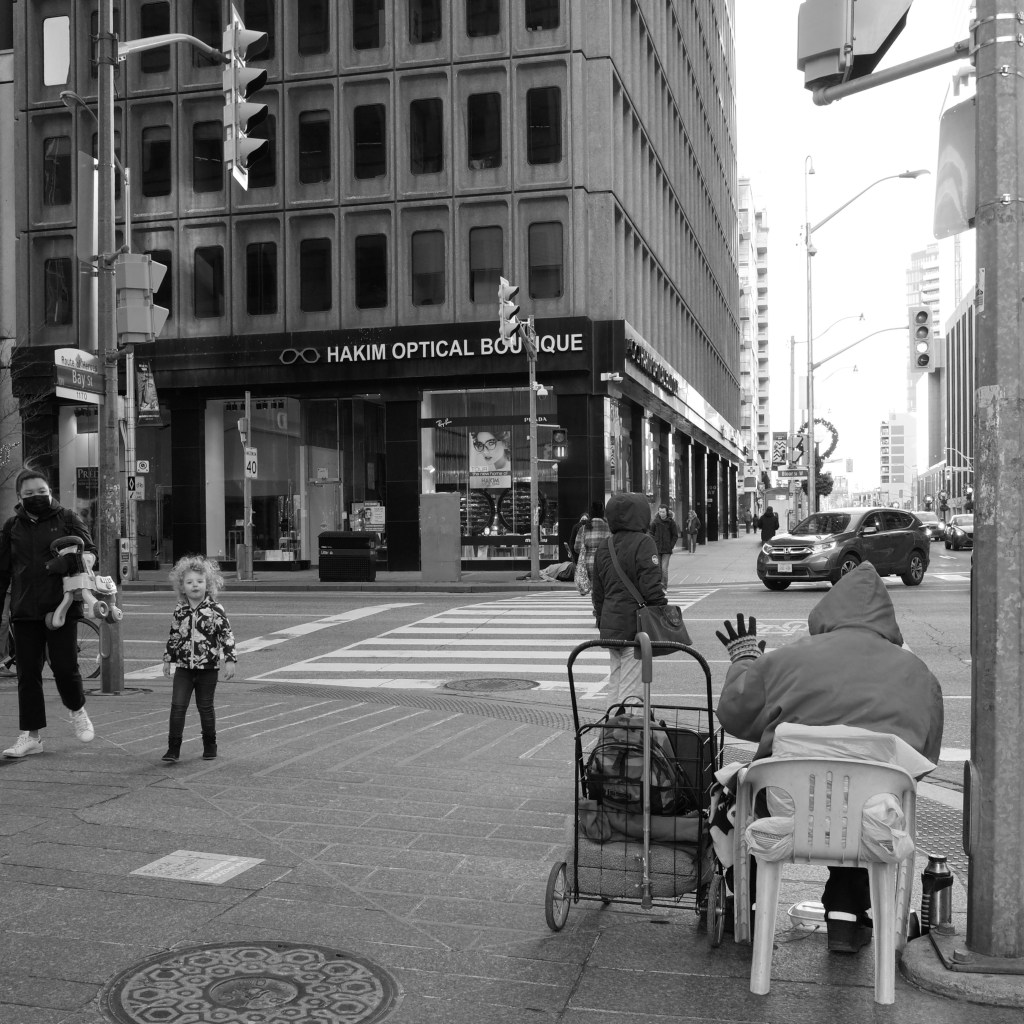
After spending far too much time agonizing over what to get printed I finally put in an order for 21 prints. Most are black and white from the past 2-3 years, and will be used to create 1-2 gallery walls and refresh another wall.
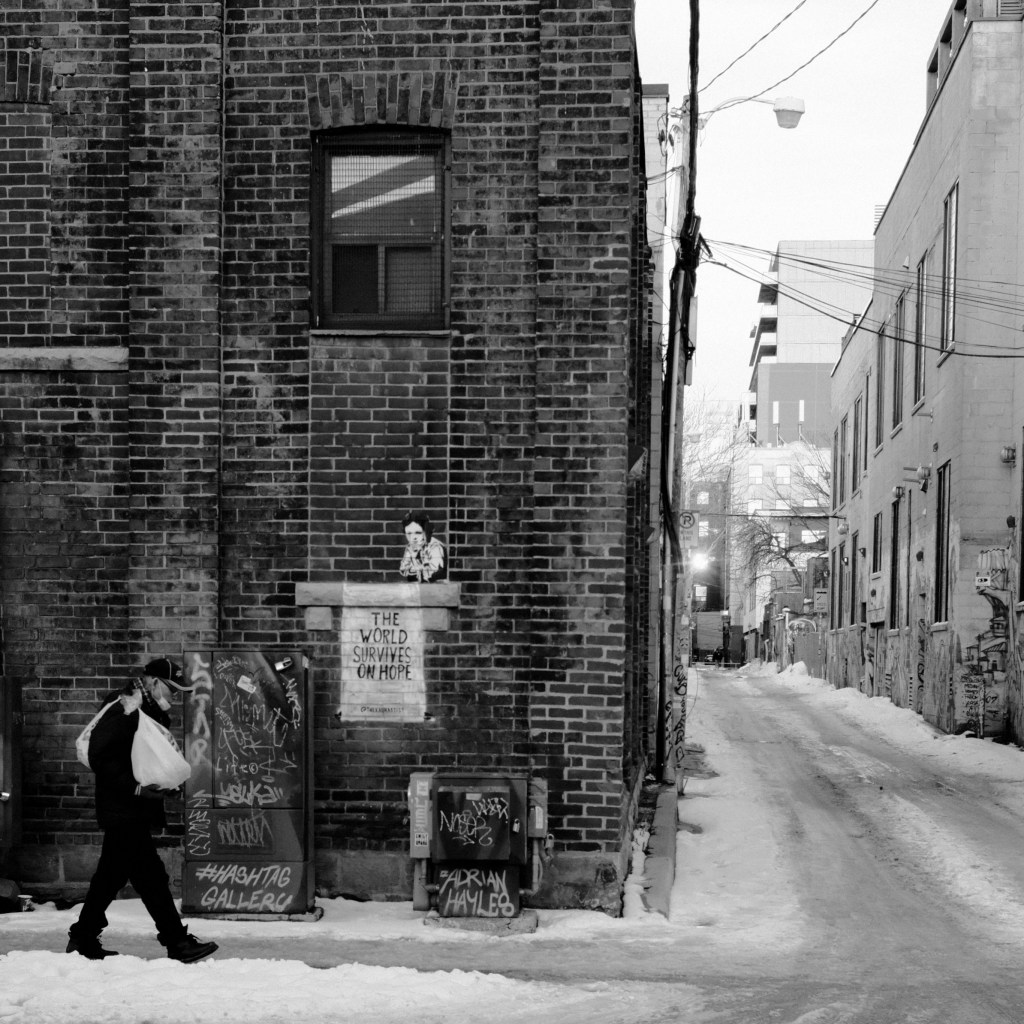
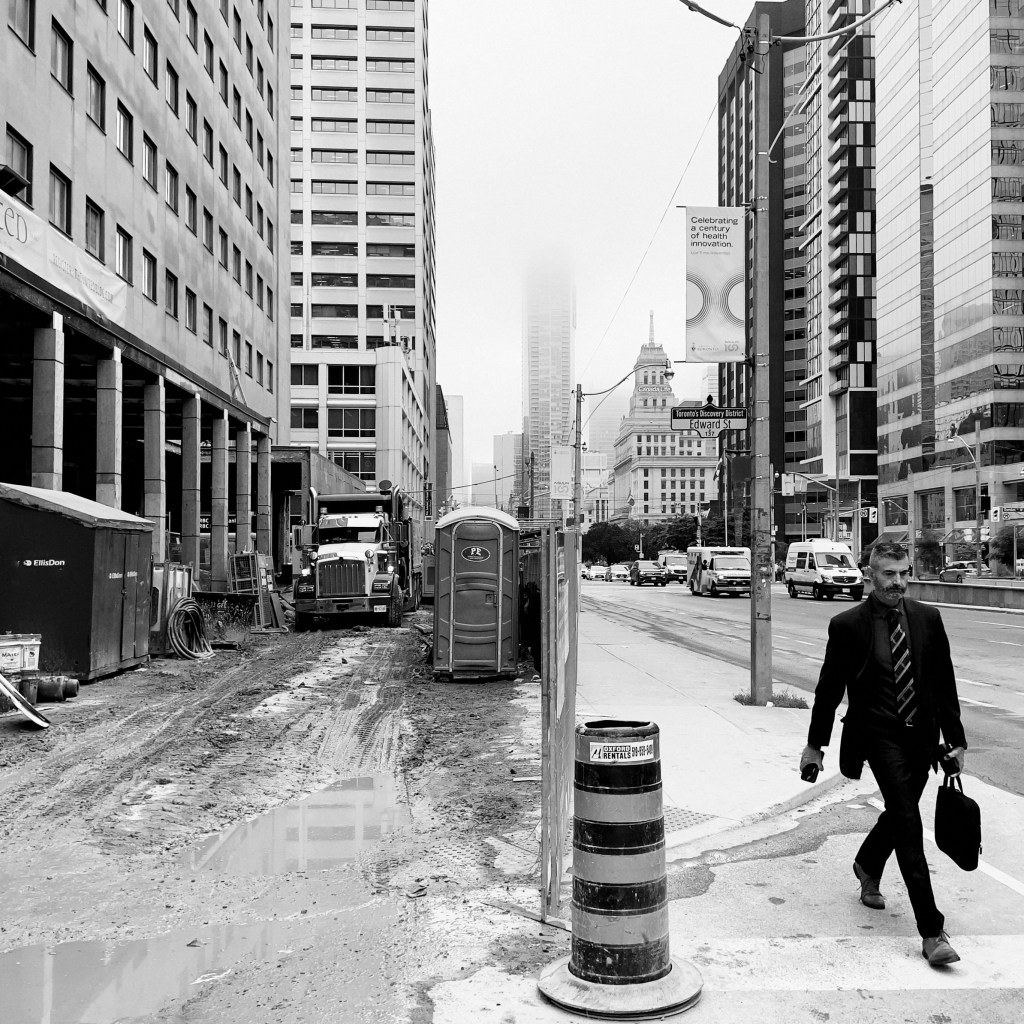
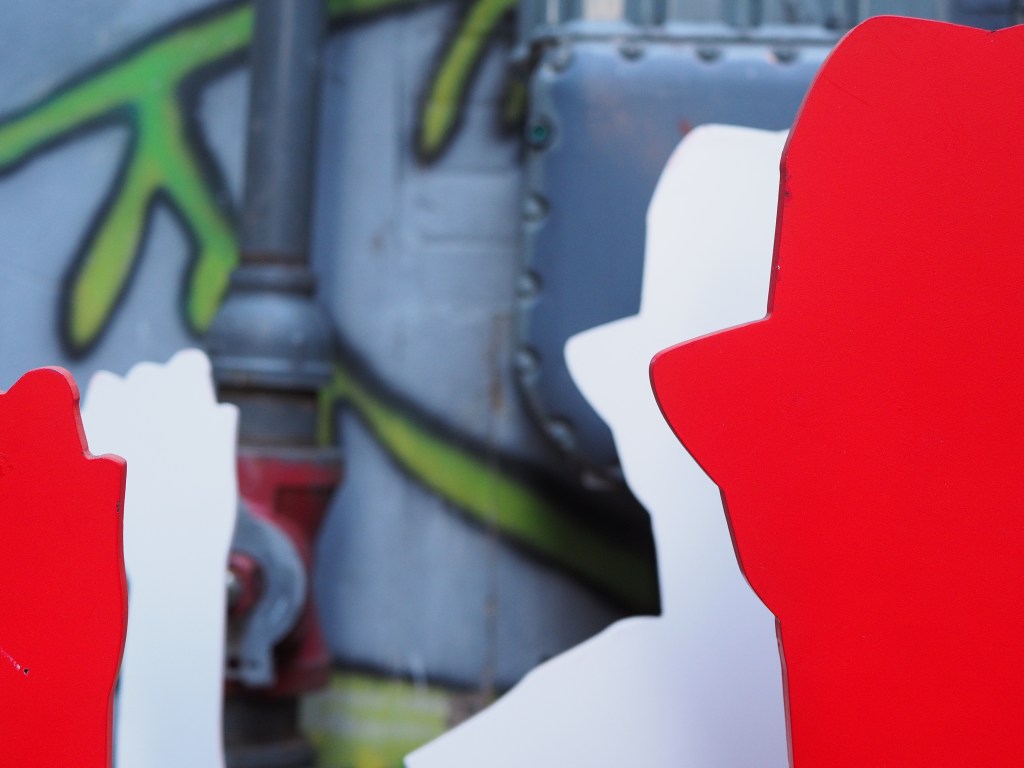
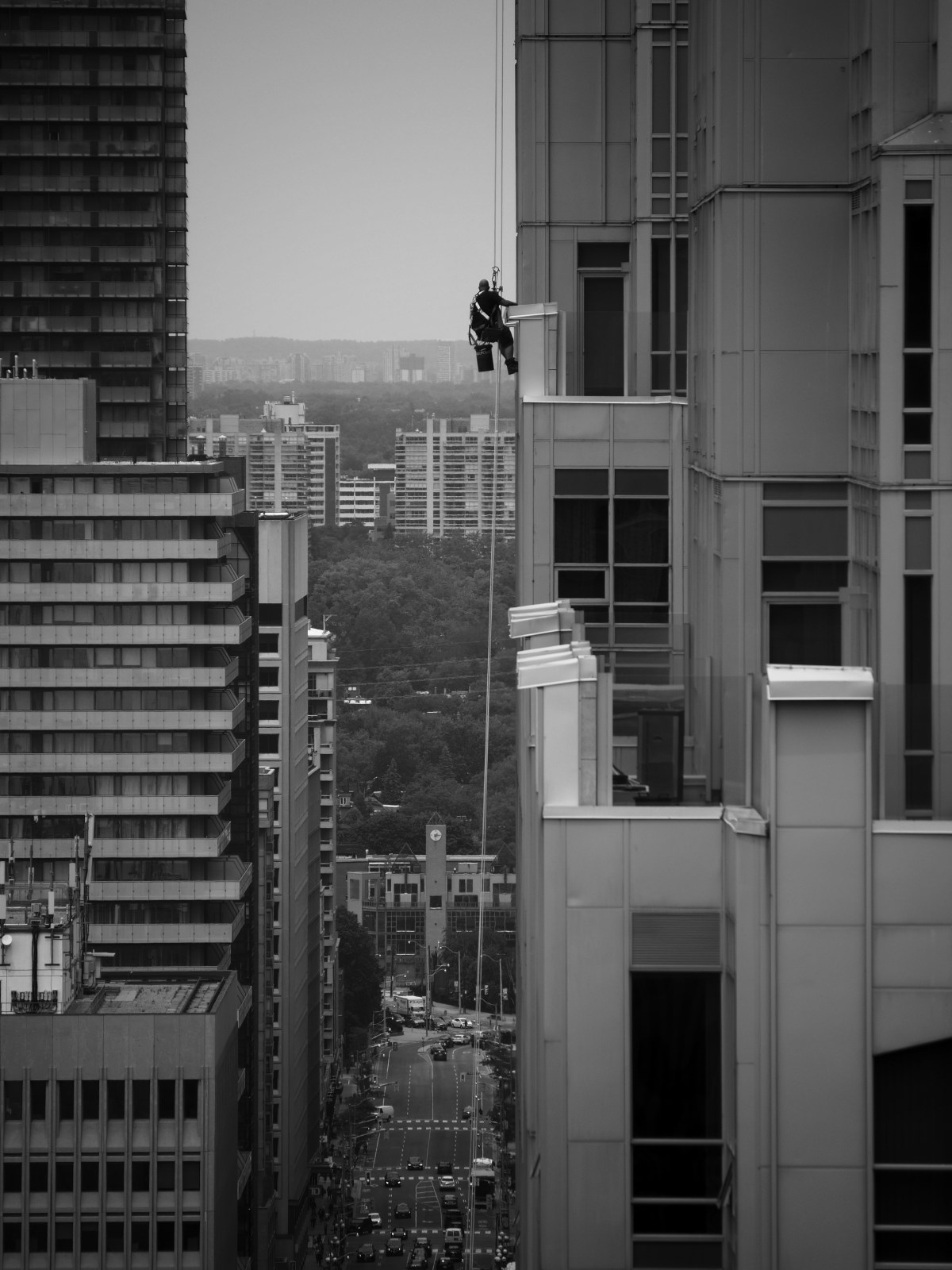
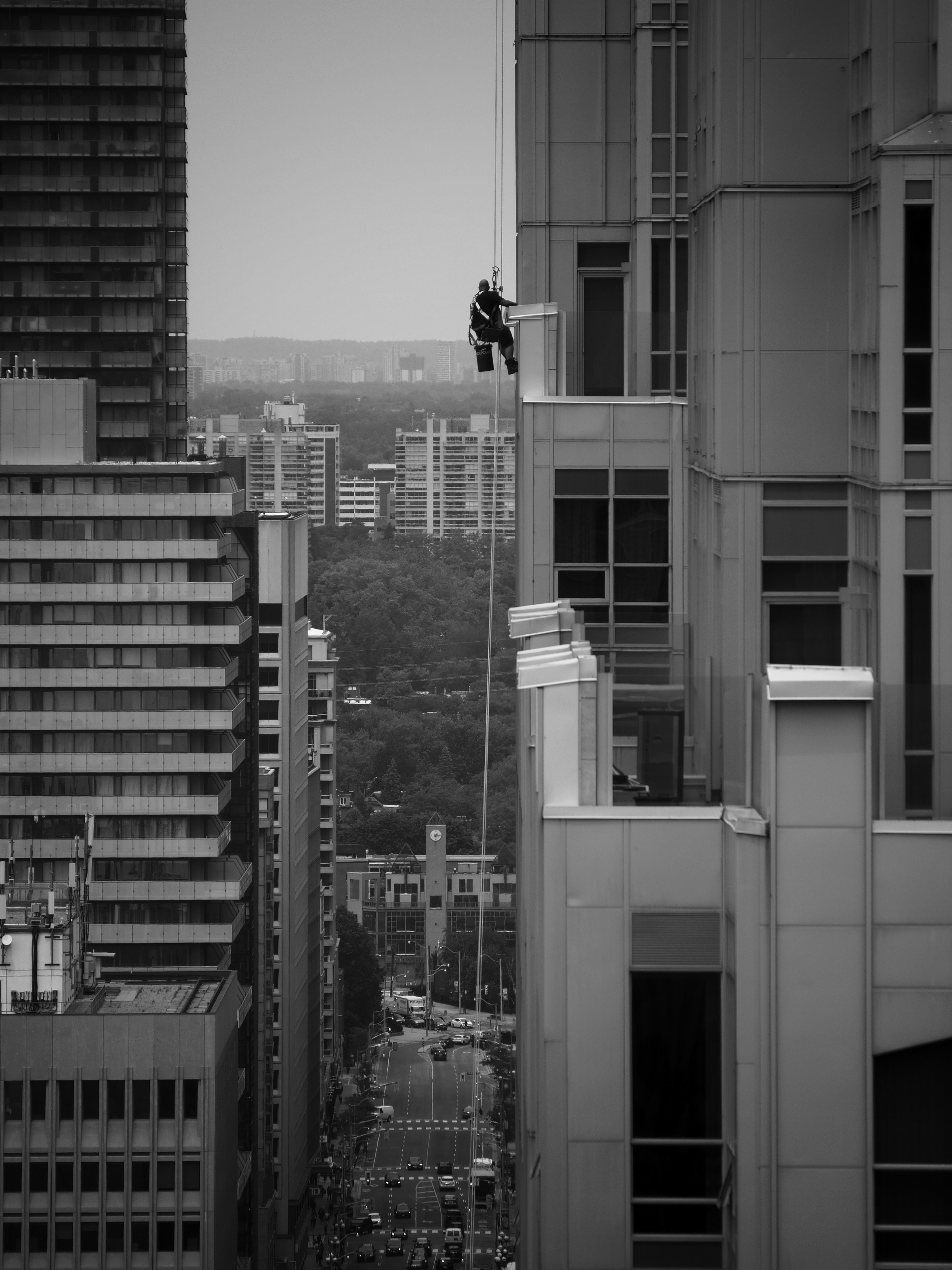
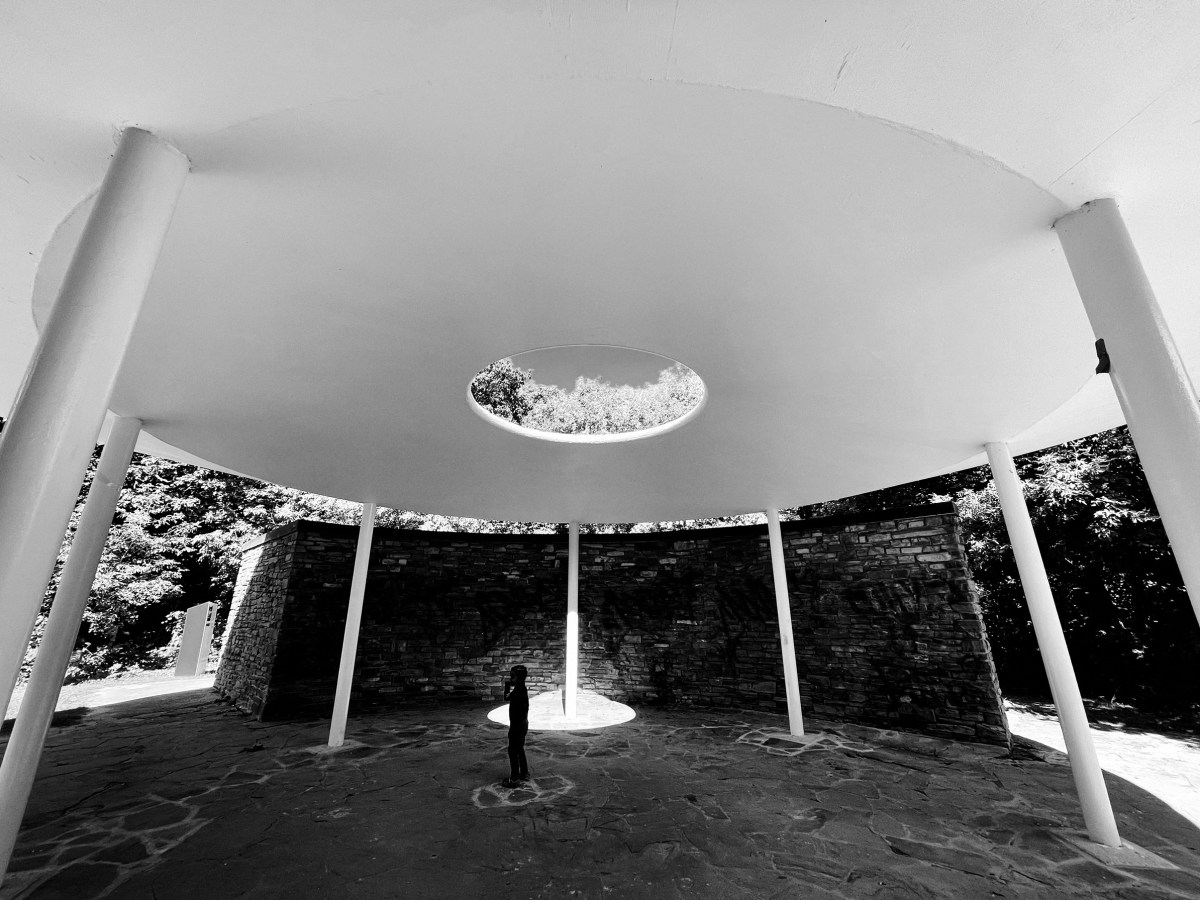
Untitled by Christopher Parsons
I’m looking forward to getting them through I’m working with a new printer so have some minor degrees of anxiety over what I’ll end up with. I’ve generally had good luck with local printers but the past few personal photo books I’ve had printed (albeit from international companies) have been disappointing when I’ve gotten them in my hands.
The next step will be to purchase a raft of frames for all the prints. And then, finally, actually add them all to my walls!
For the past several years I’ve created a ‘best of’ album that summarizes the year’s best photos that I made. I use the yearly album to assess how my photography has changed and what, if any, changes are common across those images. The process of making these albums and then printing them forces me to look at my images, how they work against one another, and better understand what I learned over the course of taking photos for a year.
I have lots of favourite photographs but what I’ve learned the most, at least over the past few years, is to ignore a lot of the information and ‘tips’ that are often shared about street photography. Note that the reason to avoid ignore them is not because they are wrong per se, or that photographers shouldn’t adopt them, but because they don’t work for how I prefer to engage in street photography.
I Don’t Do ‘Stealth’ Photography
Probably the key tip that I generally set to the side is that you should be stealthy, sneaky, or otherwise hidden from the subjects in the photos that I capture. It’s pretty common for me to see a scene and wait with my camera to my eye until the right subjects enter the scene and are positioned where I want them in my frame. Sometimes that means that people will avoid me and the scene and other times they’ll clearly indicate that they don’t want to have their photo taken. In these cases the subject is communicating their preferences quite clearly and I won’t take their photograph. It’s just an ethical line I don’t want to cross.
(Winter Troop by Christopher Parsons)
In yet other instances, my subjects will be looking right at me as they pass through the scene. They’re often somewhat curious. And in many situations they stop and ask me what I’m taking photos of, and then a short conversation follows. In an odd handful of situations they’ve asked me to send along an image I captured of them or a link to my photos; to date, I’ve had pretty few ‘bad’ encounters while shooting on the streets.
I Don’t Imitate Others
I’ve spent a lot of time learning about classic photographers over the past couple years. I’ve been particularly drawn to black and white street photography, in part because I think it often has a timeless character and because it forces me to more carefully think about positioning a subject so they stand out.
(Working Man by Christopher Parsons)
This being said, I don’t think that I’m directly imitating anyone else. I shoot with a set of focal ranges and periodically mix up the device I’m capturing images on; last year, a bulk of my favourite photos came from an intensive two week photography vacation where I forced myself to walk extensively and just use an iPhone 12 Pro. Photos that I’m taking, this year, have largely been with a Fuji X100F and some custom jpg recipes that generally produce results that I appreciate.
Don’t get me wrong: in seeing some of the photos of the greats (and less greats and less well-knows) I draw inspiration from the kinds of images they make, but I don’t think I’ve ever gone out to try and make images like theirs. This differs from when I started taking shots in my city, and when I wanted to make images that looked similar to the ‘popular’ shots I was seeing. I still appreciate those images but they’re not what I want to make these days.
I Create For Myself
While I don’t think that I’m alone in this, the images that I make are principally for myself. I share some of those images but, really, I just want to get out and walk through my environment. I find the process of slowing down to look for instances of interest and beauty help ground me.
Because I tend to walk within the same 10-15km radius of my home, I have a pretty good sense of how neighbourhoods are changing. I can see my city changing on a week to week basis, and feel more in tune with what’s really happening based on my observations. My photography makes me very present in my surroundings.
(Dark Sides by Christopher Parsons)
I also tend to use my walks to both cover new ground and, also, go into back alleys, behind sheds, and generally in the corners of the city that are less apparent unless you’re looking for them. Much of the time there’s nothing particularly interesting to photograph in those spaces. But, sometimes, something novel or unique emerges.
Change Is Normal
For the past year or so, a large volume (95% or more) of my images have been black and white. That hasn’t always been the case! But I decided I wanted to lean into this mode of capturing images to develop a particular set of skills and get used to seeing—and visualizing—scenes and subjects monochromatically.
But my focus on black and white images, as well as images that predominantly include human subjects, is relatively new: if I look at my images from just a few years ago there was a lot of colour and stark, or empty, cityscapes. I don’t dislike those images and, in fact, several remain amongst my favourite images I’ve made to date. But I also don’t want to be constrained by one way of looking at the world. The world is too multifaceted, and there’s too many ways of imagining it, to be stuck permanently in one way of capturing it.
(Alley Figures by Christopher Parsons)
This said, over time, I’d like to imagine I might develop a way of seeing the world and capturing images that provides a common visual language across my images. Though if that never happens I’m ok with that, so long as the very practice of photography continues to provide the dividends of better understanding my surroundings and feeling in tune with wherever I’m living at the time.
Like most photographers I edit my images with the brightness on my screen set to its maximum. Outside of specialized activities, however, I and others don’t tend to set the brightness this high so as to conserve battery power.
The result is that when we, as photographers, as well as members of the viewing public tend to look images on photography platforms we often aren’t seeing them as their creator(s) envisioned. The images are, quite starkly, darker on our screens than on those of the photographers who made them.1
For the past few months whenever I’ve opened Glass or looked at photos on other platforms I’m made an effort to ensure that I’ve maximized the brightness on my devices as I’ve opened the app. This said, I still forget sometimes and only realize halfway through a viewing session. So I went about ensuring this ‘mistake’ didn’t happen any more by creating a Shortcut called ‘Glass Time’!
The Shortcut is pretty simple: when I run it, it maximizes the brightness of my iOS device and opens the Glass app. If you download the Shortcut it’s pretty easy to modify it to instead open a different application (e.g., Instagram, 500px, Flickr, etc). It’s definitely improved my experiences using the app and helped me to better appreciate the images that are shared by individuals on the platform.
Of course there are also issues associated with different devices having variable maximum brightness and colour profiles. These kinds of differences are largely intractable in the current technical milieu. ↩︎
The founders of the photography application, Glass, were recently on Protocol’s Source Code. Part of what they emphasized, time and time again, was the importance of developing a positive community where photographers interacted with one another.
Indeed, just today one of the photographers I most respectposted an image that I found really spectacular and we had a brief back and forth about what I saw/emotions it evoked, and his reaction to my experience of it. I routinely have these kinds of positive and meaningful back-and-forths on Glass. That’s not to say that similar experiences don’t, and can’t, occur on other companies’ platforms! But, from my own point of view, Glass is definitely creating the experiences that the developers are aiming for.
I also think that the developers of Glass are serious in their commitment to taking ideas from their community. I’d proposed via their ticketing system that they find a way of showcasing the excellent blog content that they’re producing, and that’s now on their roadmap for the application.
It’s also apparent that the developers, themselves, are involved in the application and watching what people are posting to showcase great work. They’ve routinely had excellent and interestinginterviews with photographers on the platform, as well as highlightedphotos that they found interesting each month in the categories that they have focused on (in interests of disclosure, one of my photos was included in their Cityscapes collection).
These are, admittedly, the kinds of features and activities that you’d hope developers to roll out and emphasize as they build a photography application and grow its associated community. Even the developers of Instagram, when it was still a sub-10 person shop were pretty involved in their community! I can only hope that Glass never turns into their Meta ‘competitor’!
I’ve spent a lot of personal time behind my cameras throughout 2021 and have taken a bunch of shots that I really like. At the same time, I’ve invested a lot of personal time learning more about the history of photography and how to accomplish things with my cameras. Below, in no particular order, is a list of the ways I worked to improve my photography in 2021.
Fuji Recipes
I started looking at different ‘recipes’ that I could use for my Fuji x100f, starting with those at Fuji X Weekly and some YouTube channels. I’ve since started playing around with my own black and white recipes to get a better sense of what works for making my own images. The goal in all of this is to create jpgs that are ‘done’ in body and require an absolute minimum amount of adjustment. It’s very much a work in progress, but I’ve gotten to the point that most of my photos only receive minor crops, as opposed to extensive edits in Darkroom.
Comfort in Street Photography
The first real memory I have of ‘doing’ street photography was being confronted by a bus driver after I took his photo. I was scared off of taking pictures of other people for years as a result.
Over the past year, however, I’ve gotten more comfortable by watching a lot of POV-style YouTube videos of how other street photographers go about making their images. I don’t have anyone else to go an shoot with, and learn from, so these videos have been essential to my learning process. In particular, I’ve learned a lot from watching and listening to Faizal Westcott, the folks over at Framelines, Joe Allan, Mattias Burling, and Samuel Lintaro Hopf.
Moreover, just seeing the photos that other photographers are making and how they move in the street has helped to validate that what I’m doing, when I go out, definitely fits within the broader genre of street photography.
Histories of Photography
In the latter three months of 2021 I spent an enormous amount of time watching videos from the Art of Photography, Tatiana Hopper, and a bit from Sean Tucker. The result is that I’m developing a better sense of what you can do with a camera as well as why certain images are iconic or meaningful.
Pocket Camera Investment
I really love my Fuji X100F and always have my iPhone 12 Pro in my pocket. Both are terrific cameras. However, I wanted something that was smaller than the Fuji and more tactile than the iPhone, and which I could always have in a jacket pocket.
To that end, in late 2021 I purchase a very lightly used Ricoh GR. While I haven’t used it enough to offer a full review of it I have taken a lot of photos with it that I really, really like. More than anything else I’m taking more photos since buying it because I always have a good, very tactile, camera with me wherever I go.
Getting Off Instagram
I’m not a particularly big fan of Instagram these days given Facebook’s unwillingness or inability to moderate its platform, as well as Instagram’s constant addition of advertisements and short video clips. So since October 2021 I’ve been posting my photos almost exclusively to Glass and (admittedly to a lesser extent) to this website.
Not only is the interface for posting to Glass a lot better than the one for Instagram (and Flickr, as well), the comments I get on my photos on Glass are better than anywhere else I’ve ever posted my images. Admittedly Glass still has some growing pains but I’m excited to see how it develops in the coming year.
That’s been a bit frustrating for some folks, such as Matt Birchler. He notes that Glass seems to be populated by professional photographers and lacks the life and diversity that you can sometimes find on Instagram or other photography sites. I was particularly struck by his comment that, “I used to enjoy the feed because it was high quality stuff, but now I scroll and everyone is making photos that look like every else’s.”
I don’t discount that Matt’s experience has been seeing a lot of professionals making photos but have to admit that his experiences don’t really parallel my own. To be clear, the photographers that I follow are doing neat work and some are definitely serious amateurs or professionals. But perhaps because I’m more focused on street photography it’s rarely self-apparent to me that I’m following professionals versus amateurs, nor that everyone’s work looks the same.
That being said, I definitely do follow a lot fewer people on Glass. If I have a problem with the app it’s that discovering active photographers on the platform is difficult; a lot of people signed up for the trial period but aren’t regularly posting. The result is that it’s hard to develop an active stream of photos and a photographic community. At the same time, however, I don’t browse the Glass app like I would Instagram: I pop in once or twice a day, and try to set aside some time every day or three (or four…) to leave comments on others photographers’ work. I treat Glass more seriously than free photography applications, if only because I have (thus far) only has positive experiences with the other active photographers posting their work there.
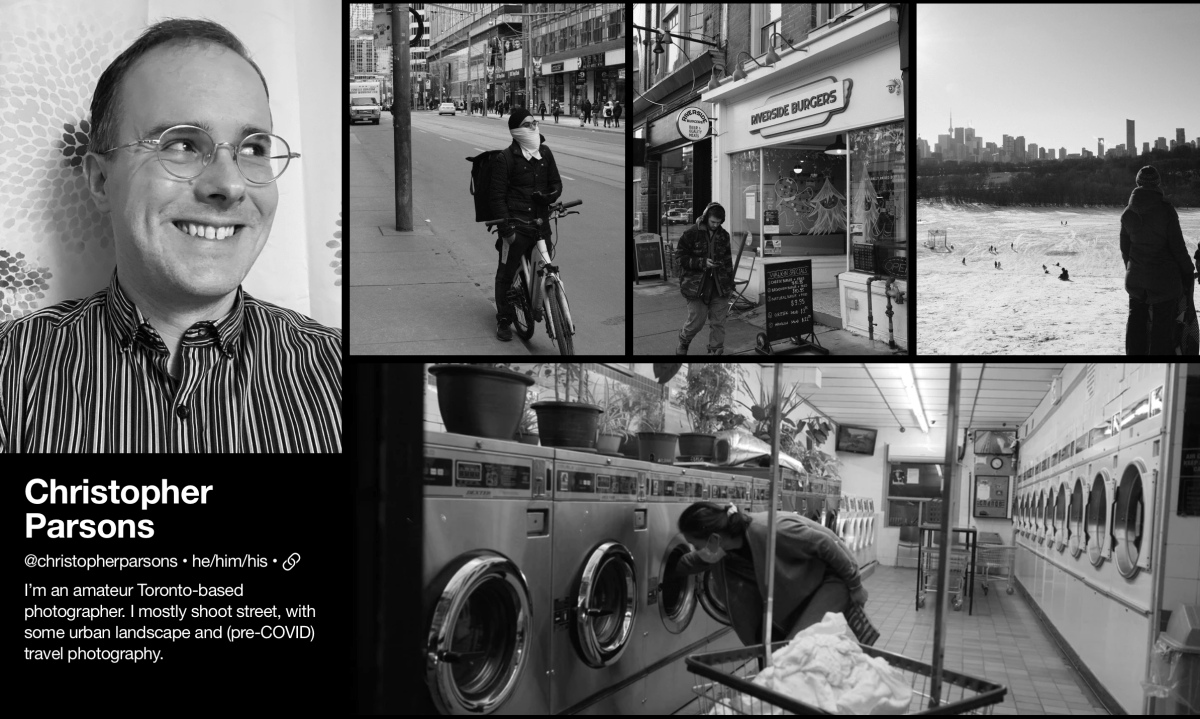
The only other problem I have with Glass—annoyance really!—is that I think that you actually can see/display photographers’ profiles in a much more beautiful way on non-phone devices. The image for this post was a screen capture from my iPad which attractively lays out photos. In contrast, you just get a flat waterfall of images if you visit my profile in the Glass app itself. That’s a shame and hopefully something that is improved upon in 2022.
To date I’m happy with Glass and incredibly pleased to no longer posting my photos to a Facebook platform. I really hope that Glass’s developers are able to maintain the app going forward, which will almost certainly depend in part on building the community and enhancing discoverability.
I’m currently planning to continue posting my work to Glass regularly. Even if the service doesn’t explode (which would be fine for me, though probably not great for its long term survival!) I find that the comments that I receive are far more valuable than anything I tended to receive on Instagram or other social sites, and the actual process of posting is also a comparative breeze and joy. If you’re looking for a neat photography site to try out, I heartily recommend that you give Glass a shot!
Specifically, the developers have added some photography categories and public profiles, as well as the ability to ‘appreciate’ photos and comments ↩︎
Most clinical photos are taken by well-intentioned doctors who haven’t been trained in the nuances of photographing patients of different races. There are fundamental differences in the physics of how light interacts with different skin tones that can make documenting conditions on skin of color more difficult, says Chrystye Sisson, associate professor and chair of the photographic science program at Rochester Institute of Technology, the only such program in the nation.
Interactions between light, objects, and our eyes allow us to perceive color. For instance, a red object absorbs every wavelength of light except red, which it reflects back into our eyes. The more melanin there is in the skin, the more light it absorbs, and the less light it reflects back.
…
But standard photographic setups don’t account for those differences.
One of the things that I routinely experience shooting street photography in a multicultural city is just how screwy camera defaults treat individuals of different racial backgrounds. And I’ve yet to find a single default that captures darker skin accurately despite shooting for many years.
I’ve recently written about the concerns that I have about Instagram, and my assessment of whether I wanted to port my online photo sharing to either Flickr or Glass. As of October 27, Glass has enabled public profiles so non-members can view the work that photographers have published on the service. You can check mine out!
I…really like how the profiles look on Glass at the moment. I’ve been posting with some frequency (all black and whites, with a focus on street photography) and the flow model to capture and then post photographs has been simple and seamless.
I also really like the experience of having to comment on other photographs instead of ‘liking’ them. This engagement strategy means that when I interact with other photographers’ pieces I need to leave at least some kind of meaningful comment. As a result, I need to slow down and think a bit more about a photograph and I think that’s a good thing for me–the viewer–and the photographer who hopefully gets more meaningful (if less frequent) engagement.
I like Glass enough that I’ve ponied up for a one year subscription. The developers are pushing out significant quality of life updates to the application and, on the whole, it’s currently pretty fun to use and is clearly intended to be used by photographers, as well as other individuals who are interested in photography and just don’t want to deal with the grossness of Instagram and want something a little fresher than Flickr.
Based on my experiences thus far I’d heartily recommend that you check out the service, as well as my public profile!
This year I took a very late vacation while Toronto was returning to its new normal. I’ve been capturing the city throughout the COVID-19 pandemic and I wanted to focus in on how the streets felt.
During the pandemic we’ve all been attached to our devices, and our phones in particular, and thus decided to document the city through the lens of our ever-present screen: the smartphone. I exclusively shot with my iPhone 12 Pro using the Noir filter. This filter created a strong black and white contrast, with the effect of deepening shadows and blacks and lifting highlights and whites. I choose this, over a monotone, as I wanted to emphasize that while the city was waking up there were still stark divides between the lived experiences of the pandemic and a continuation of strong social distancing from one another.
(Between Frames by Christopher Parsons)(Calm Decay by Christopher Parsons)(Reflections by Christopher Parsons)(The Guarded Groom by Christopher Parsons)
95% of my photos were captured using ProRaw with the exception of those where I wanted to utilize Apple’s long exposure functionality in the Photos application.
(Caught by Christopher Parsons)(Just Passing by Christopher Parsons)
Darkroom Settings
In excess of the default Noir filter, I also created a secondary filter in Darkroom that adjusted what came off the iPhone just a bit to establish tones that were to my liking. My intent was to make the Noir that much punchier, while also trying to reduce a bit of the sharpness/clarity that I associate with Apple’s smartphone cameras. This adjustment reflected, I think, that digital communications themselves are often blurrier or more confused than our face-to-face interactions. Even that which seems clear, when communicated over digital systems, often carries with it a misrepresentation of meaning or intent.
Climate change is a reality of contemporary life and is leading to increasingly numbers of weather-related catastrophes. One of the many threats now facing humanity is severe flooding. Such threats have been, and continue to be, driven by harmful and destructive human activities that impair and change the climate, and amplified by housing councils that permit developers to build homes on floodplains along with other development pressures linked to humans moving in increasing numbers into urban environments.
With the climate emergency in mind, Toronto artist John Notten has created a series of styrofoam installations that are presently located in Ontario Place. On the one side they show the image of an iceberg and the other show homes, vehicles, and other urban architecture. As discussed in the artist statement, the installation is intended to offer:
… an opportunity for the viewer to consider connections between this provocative material, the image of floating icebergs, and those of half-submerged iconic institutions.
(Over Flow 9 by Christopher Parsons)(Over Flow 7 by Christopher Parsons)
It was particularly special to have a pair of kayakers visit the exhibit at the same time that I was there. Their presence—and my effort to present them as blurred subjects—helps to give a sense that climate change affects all subjects—all people—and isn’t something that is linked to any one specific subject. In essence, I wanted to convey that all humans are threatened by climate change and that focusing on individuals and their efforts does not adequately appreciate the structural and collective drivers that endanger all life on Earth.
(Over Flow 13 by Christopher Parsons)
Over Flow will be in Ontario Place until October 31, 2021, and will then be moved to other locations in the spring of 2021.
All images were made using an iPhone 12 Pro and the Noir filter, and then slightly edited using a filter in Darkroom.