Categories
Photography

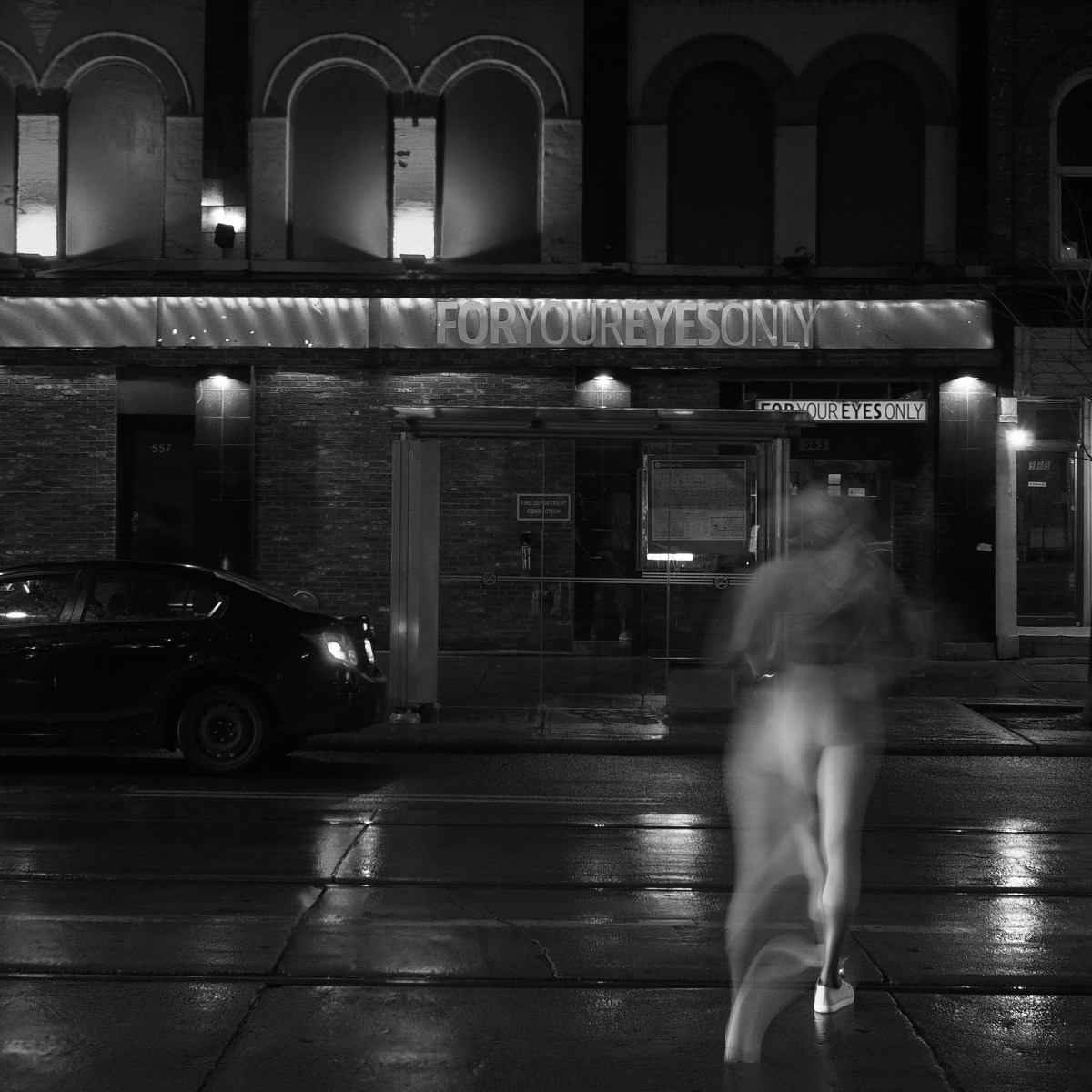
Smile for the Moon

Smile for the Moon | Photo made using an Olympus OMD-EM10ii with a M. Zuiko Digital 17mm 1.8 lens on the Bentway, Toronto
Categories
Photography

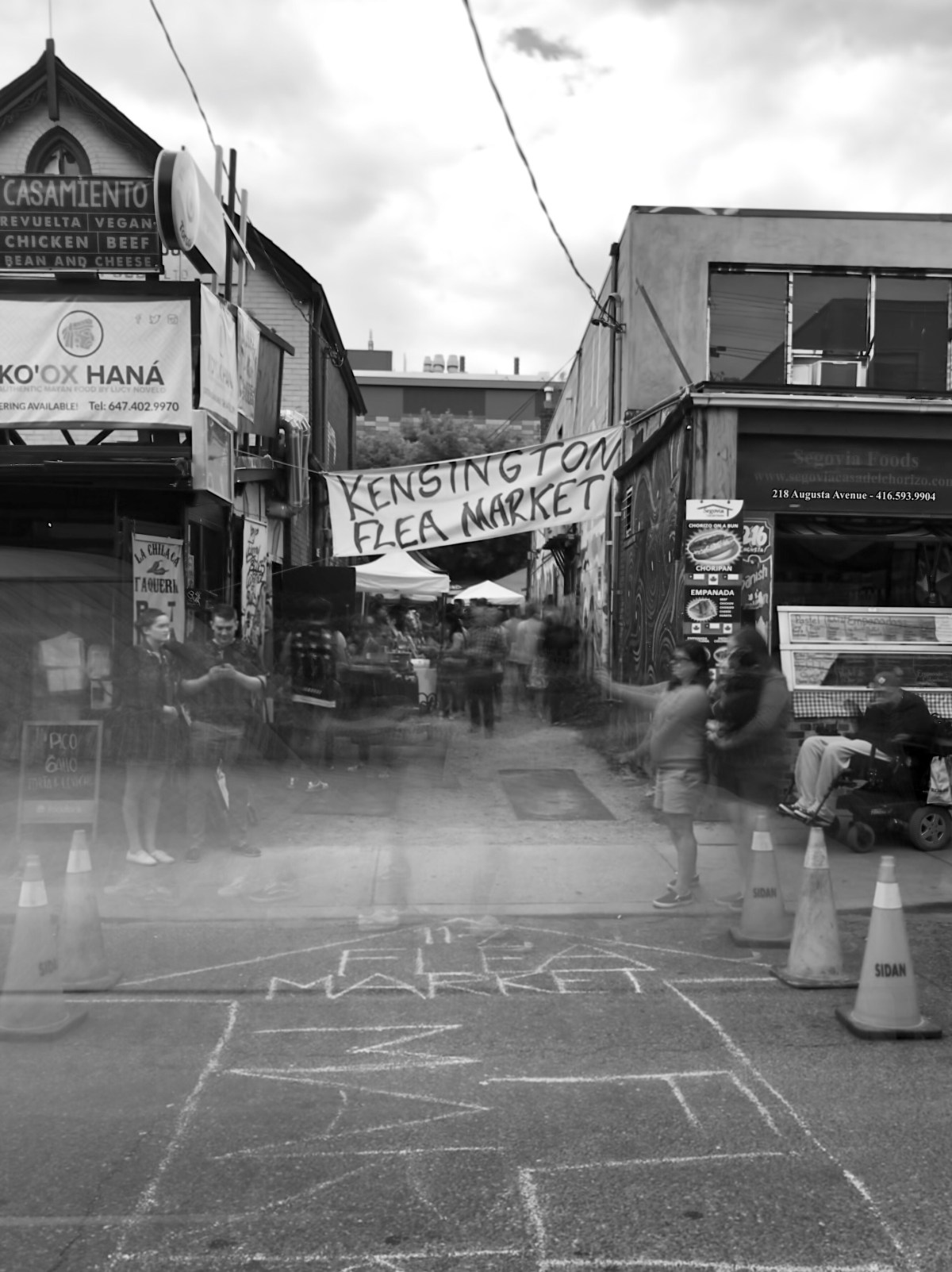
Shooting Ghosts

Shooting Ghosts | Photo made using an iPhone 7 (long exposure mode) in Kensington Market, Toronto.

Categories
Links Photography Roundup Writing

The Roundup for August 1-31, 2019 Edition

(My Most Popular Photo by Christopher Parsons)

Welcome to this edition of The Roundup! Enjoy the collection of interesting, informative, and entertaining links. Brew a fresh cup of coffee or grab yourself a drink, find a comfortable place, and relax.

Inspiring Quotation

“Talking about our problems is our greatest addiction. Break the habit. Talk about your joys.”

Great Photography Shots

The whimsy, symmetry, and lines of these bowling alleys make me want to go bowling in Germany!

Music I’m Digging

  • My ‘Songs I Liked in August’ playlist is done, and is biased pretty heavily towards rap, R&B, with some metal (i.e., TOOL).
  • Dave – Game Over (EP) // ’My 19th Birthday’ and ‘Question Time’ are really amazing tracks that showcase Dave’s ability to engage in contemporary social and political issues in the UK, but which also affect most developed countries. The former song grapples with the challenges he has with his first major relationship, questioning how he should behave and how he can overcome his own patriarchal attitudes towards women. The latter is an anthem for the UK under Prime Minister May, where has asks her, along with all other major UK politicians, the hard questions that were likely on the minds of most socially consciously citizens of the United Kingdom.
  • Dave – PSYCHODRAMA // This full-length album continues Dave’s encounters with himself, and situations of himself growing up in South London. His flow remains as strong as his earlier work, and continues to work through the challenges of growing up socially conscious, in a time that often feels more ignorant, racist, and nationalist then decades past.
  • TOOL – Inoculum // Their first new album in 13 years, the technical instrumental skills alone make this 80+ minute album worth the listen and the wait. But it’s more than that: Keene’s lyrics continue to impress, while deftly floating in and out of the instrumental scores.

Neat Podcast Episodes

  • The Secret History of the Future – Dots, Dashes, and Dating Apps // This is a fascinating episode that showcases just how much the telegraph, and writers of that era, imagined the uses of the Internet which are now commonplace. As always, everything old is new again, and it behooves is to attend to our pasts to both foretell the challenges of the present as well as better envision new futures.
  • Planet Money – The IT Guy vs The Con Artist // It’s fascinating to get a behind-the-scenes look of how the US Postal Office was able to take down scammers using an insider. The bravery exhibited by the protagonist in the episode, Filipe, and willingness to right wrongs, makes this a particularly positive episode to listen to.
  • Modern Love – The Night Girl Found A Day Boy // Modern Love has to be one of my favourite podcasts, and I really enjoyed this episode’s story of how the couple overcame a major and inflexible difference to develop a long lasting and positive committed relationship. Throughout, I was thinking about how much a couple can push through if they’re able to stand side by side together to support one another, while simultaneously appreciating and respecting one another’s differences.
  • The Daily – Inside Hong Kong Airport // The ongoing protests in Hong Kong are pitting democratic values against those of autocracy, and protestors are valiantly trying to secure their democratic processes. The reportage in this podcast drove home, at an emotional level, just how committed protestors are, as well as the seeming indifference or disbelief amongst mainlanders that individuals could rise up against their government on their own, and without having been manipulated by foreign government spies.

Good Reads

  • Ham of Fate // Without a doubt this is the most scathing, and articulate, assessment of Boris Johnson that I’ve read to date. Of particular note is the ways in which Johnson masks a very deep racism through elite language. Whereas Trump is blatant and boorish, Johnson is slightly more subtle and studied.
  • What Apple’s T2 chip does in your new MacBook Air or MacBook Pro // Gallagher has a pretty accessible, and extensive, article outlining everything the T2 chip is doing in Apple’s newest devices. I knew about the security properties but was unaware of the audio and image processing it also is involved in.
  • The forgotten part of memory // I’ve been pretty convinced for a long while that perfectly recording and remembering information is detrimental to a person’s life, on the basis that from an evolutionary and social perspective we have forgotten information and seemed to still persist and evolve as a species. Research in Nature showcases the apparent truth that forgetting is normal and important, and that we may do it to abstract away some details of precise encounters so as to build up abstract thinking that’s suitable to solving a range of problems, instead of being overly mired in the details of solving very specific incidents and experiences.
  • Combating disinformation and foreign interference in democracies: Lessons from Europe // Though written to derive lessons for the United States Government to learn from, this article from the Brookings Institute does a good job outlining the successful, somewhat successful, problematic, and disasterous responses to adversarial disinformation and influence operations campaigns. Ultimately, however, the crux is mostly missing from the article: should states and their populations truly fear disinformation—is the Swedish approach genuinely useful or is it, perhaps, just that some populations can sense disinformation when they see it? Regardless, the comparison between actions undertaken by Sweden, France, the United Kingdom, and Bulgaria provides a handy overview of some policy options available to democratic states, if not effective assessments of the utility of such options.
  • Influence Operations Kill Chain // Bruce’s assessment of the elements of effective influence operations is pretty on the money, though I do have to admit I’m partial to the comments made by Jones, which recognizes that while it may be hard to deal with influence operations, there are things that the government can do to address issues which arguably have much more significant (and problematic) roles on election fairness. These issues include: 1. Gerrymandering; 2. Deregulated political spending; 3. Systematic black disenfranchisement; 4. Black box electronic voting machines; 5. VoterID laws; 6. Drug felons who can’t vote; 7. Domestic for-profit news propaganda; and 8. Campaign strategies to game the Electoral College. Still, even fixing the aforementioned list will do little to prevent information operations from, over a long-term, threatening democratic integrity as clefts in society are identified and widened in efforts to decrease trust in the democratic system itself.
  • Housing Crisis Grips Ireland a Decade After Property Bubble Burst // Things in Ireland, like major cities in Canada, are terrible if you want to either rent or own. In effect, rent prices are too high to enable saving for a downpayment while, at the same time, owning is sufficiently affordable that — if people want — an owner can save up for another downpayment, and the cycle simply continue.
  • How the El Paso Killer Echoed the Incendiary Words of Conservative Media Stars // It’s one thing to strongly believe that the language of the American right wing is fuelling the violence, hatred, racism, and misogyny being expressed by a host of white supremacists throughout the country. It’s another to have the very words of American media commentators placed against the language of the President of the United States and white supremacists alike.
  • Acquisitions Incorporated Review // I’ve been on the fence about the new D&D sourcebook based on Penny Arcade’s adventuring groups. On the one hand, I appreciate the humour of the games but I wasn’t certain about whether the gaming supplement that’s emerged from those games was just Wizards cashing in on the popularity without adding real substance. This review has mostly convinced me that this is a neat supplement that I might want to add to my (growing…) collection of gaming books.
  • Facebook’s Illusion of Control over Location-Related Ad Targeting // This deep dive into how Facebook tracks location showcases just what a lie it is that you can exercise control and stop the company from tracking your location. Well researched and yet another indication as to why this is a malignant company that needs to be heavily regulated.
  • Do not Fall in Love with a Smart, Introverted Man // While some of the assertions of introverted men seem a bit off — we’re not all messy or nearly as eclectic as Lowe makes us out to be — I can appreciate this line: “One day, he will decide to leave you. It will be sudden and swift with no warning.” The thing is…I don’t think that’s true. The messages which communicate warning are made, deliberately and regularly, but are often unheard. And that failure to hear us is, in and of itself, one of the reasons why we may have decided “quietly, independently — because that is how he has solved every problem — that it’s over.” There’s a fundamental values mismatch, and communications mismatch, and potentially even an intellectual stimulation mismatch, and so the introverted man is making a decision they know is correct. Even if that’s not what the other partner thinks or wants.

Cool Things

  • Trails of Wind // While in our conceit, humanity may believe it changes the world without regard for the environment, a mapping of how we actually terraform the earth can showcase that we unconsciously, as a species, build in accordance with global environmental patterns and characteristics. I wonder, though: as climate forces changes in the jet stream, will we end up with monuments to the past that are left abandoned or will we, instead, re-engineer these monuments so as to continue using them?
  • The World’s Greenest and Most Economical Shelving System? // This shelving system is substantially based on Dieter Ram’s design philosophy and design language. While it’s expensive as hell, once invested you’d never need to buy shelves again in your life. Definitely want!
  • The Best VPN Services // The Wirecutter has done terrific work sifting through various VPN providers to identify solid choices. If you use or want to use a VPN then check out their work!
  • Paramour: A One-Shot Music Video Filmed From the Perspective of a Toy Train // Just a cool bit of filming!
Categories
Links Photography Roundup

The Roundup for July 14-31, 2019 Edition

(Confused Exposure by Christopher Parsons)

Welcome to this edition of The Roundup! Enjoy the collection of interesting, informative, and entertaining links. Brew a fresh cup of coffee or grab yourself a drink, find a comfortable place, and relax.


I’m in the process of determining what new camera I want to buy, principally to replace my aging Sony rx100ii. That camera was bought in used condition, and has been to four continents and taken approximately 20K shots. It’s been dropped, frozen, and overheated. And even gotten a little damp from salt air! It owes me little and still produces solid (black and white) images: it seems that in my abuse I did something to the sensor, which means colour images sometimes just turn out absolutely wacky.

So what do I want versus what do I need? I know from my stats that I prefer shooting between 50mm-100mm equivalent. I know that I want a fast lens for the night.1 I don’t take action shots so I don’t need the newer Sony cameras’ tracking magic. I don’t want anything bigger than the Sony—it’s size is a killer feature because I can always carry it around—but definitely want a pop up viewfinder and a 90 degree tilt screen. I don’t want another interchangeable system: my Olympus kit has me covered on that front.

What do I want? I’d love to have easy access to an exposure dial. An internal ND filter would be super great. Some in-body image stabilization would also be stellar, and if I could squeeze in the ability to charge from a USB battery pack while keeping prices under $1,000 that would be perfect. Oh, and something better than Sony’s pretty terrible menu interface!

What don’t I need? Any more than 20MP, actual waterproofing2, a big body or permanent viewfinder, an APS-C sensor, audio-in features, dual SD card slots, or crazy fast tracking.

This currently means I’m very interested in some of the older Sony rx100 cameras—namely the iii and iv—and maybe the new Canon G5Xii. I know my actually photographic outputs are, in order, Instagram, my TV, photos on my wall (no larger than 24×36”), and then photo books. I know a 1” sensor is more than enough for all of those uses. Now I just need to see how the Canon’s reviews shake out, the cost of them, and then evaluate the differential between Canon’s and Sony’s cameras!


Inspiring Quotation

Taking pictures is savouring life intensely, every hundredth of a second.

  • Marc Riboud

Great Photography Shots

I have a set of abstract photos that I’ve taken over the years and, to date, while I appreciate them they aren’t ones that I’ve decided to print or routinely display. Still, several of the below abstracts (taken on smartphones) are inspiring just to look at and think about the process of developing the respective compositions.

(‘Last ices of the winter‘ by @paulenovemb)
(‘Untitled‘ by @lisalam628)
(‘Villa Savoye by Le Corbusier‘ by @bazillus)
(‘Untitled‘ by @reneetakespics)

Music I’m Digging

  • Goldlink – Diaspora // Goldlink’s album is a terrific summer album: lots of pop notes with a taste of Caribbean beats and good mix between somewhat gravelly male and ethereal female voices. It’s been a lot of fun to listen to while writing or reading, working out, or just doing chores around home.
  • Machine Gun Kelly – Hotel Diablo // I’m still trying to really get a handle on what I think of this album, but I’ve definitely listened to it a lot over the past week or two. I think I’m appreciating it principally for its nostalgic value: it has a lots of beats and sounds from late-90s/early-00s nu-metal and rap. So I don’t think that it’s ‘quality’ per se, but definitely speaks to my younger self.

Neat Podcast Episodes

  • Lawfare – Jack Goldsmith Talks to Former Secretary of Defense Ash Carter // To begin: I’m never a huge fan of a Secretary of Defense who is a strong advocate for war, and Ash Carter is definitely that class of Secretary. However, he provides a superb view of the entirety of the Defense Department and what goes into running it, as well as the baseline challenges of both engaging in offensive cyber operations as well as the role(s) of legal counsel in developing military operations. If you want an insiders view of the different layers of the Pentagon, and how the institution has developed over the past few decades, then this is a great episode to listen to.
  • Frontburner – What did Canadian peacekeepers accomplish in Mali? // Richard Poplak has a non-nonsense, direct, discussion with Michelle Shephard of just how little value Canada derived from its half-billion dollar peacekeeping commitment to Mali. At least part of that failure is linked to how Canada’s foreign policy had to be entirely recalculated to deal with Donald Trump when he was elected President but certainly everything cannot be laid at Trump’s feet.
  • The Secret History of the Future – Meat and Potatoes // I have to admit, I never really thought about how important potatoes were to the Europeans in establishing a reliable source of caloric intake, nor how you could connect the potato with contemporary efforts to find new foods to both feed the contemporary world and save the environment at the same time. If you want to think a bit more about the source of your food, today, and what it might mean for your food, tomorrow, then this is a solid episode to sink your…ears?…into.
  • The Secret History of the Future – Infinite Scroll // Proving once more that everything new is really just the old reborn, Slate examines how Renaissance scholars were entirely overwhelmed by information and had pretty well the exact same issues with information, then, as contemporary societies do with the growth of the Internet and rapid spread of information. It’s interesting to hear how scholars and the public fought against things like indices, tables of contents, and reviews of books; similarly, today, we hear people push back against any and all efforts to summarize, synthesize, or distil books, articles, and (even) podcasts. The commonality between the arguments of yore and today are largely identical, which speaks to how important it is to take history into account when evaluating the travails of the contemporary era.
  • Lawfare – Jonna Mendez on ‘The Moscow Rules // Ever been curious about the different tricks that were used by CIA case officers in Moscow during the height of the Cold War? Then this is the episode for you! Mendez, a former CIA officer, recounts the various techniques, technologies, and troubles that the agency developed and overcame in the process of engaging in espionage against the most equally matched adversary in the world on their home turf. Though mentioned somewhat sparingly, there are lessons to be gained from the stories she recounts from her time in the Cold War, including the very real value (at the time, for the USA) of obtaining military technology secrets well in advance of the technologies entering production: with these secrets in hand, as an example, the USA successfully built in countermeasures to Soviet radar systems. Today, you can imagine how the Chinese government’s theft of American and other allies’ military secrets may similarly position that government to develop countermeasures much, much faster than otherwise expected.

Good Reads

  • ‘Orientalism,’ Then and Now // Shatz’ review of Said’s Orientalism and application of its key insights to the geopolitical changes in how the Other is conceived of — as now a threat, not because it is external and to be created through our knowledge of it, but because it is within us and is changing ‘Us’ — presents a stark view on the era of racism, fascism, and ignorance today. Whereas the orientalism that Said focused on was, principally, that linked to elite power-knowledge constructions that served the West’s practices of colonization, today’s is born of a deliberate lack of expertise and knowledge. Whereas the past cast the Other as external and a threat, today the Other is within and consequently domestic politics is the focus of elites’ aggressions. While Shatz is hesitant to assert that the end is nigh, his hopefulness towards the end of the essay is perhaps not as hopeful as he imagines: there are, indeed, efforts to defray, mitigate, and prevent the contemporary situations of hardened and violent orientalism. But despite the power and influence of art it remains unclear to me how effective these cultural acts of resistance genuinely are against a structural practice of aggression, harm, and ignorance.
  • Congress Will Ignore Trump’s Foreign Affairs Budget Request. Others Will Not. // Both chambers of the US legislature are opposed to the significant cuts that the Trump administration has sought in its budget appropriations. However, the signals sent by the administration have meant, internal to the State department, that staff resistant to democracy promotion have enjoyed enhanced status and positions in pushing back against attempts to preach American values abroad and who are, instead, advancing the transactionalist style of politics favoured by the current administration. Simultaneously, autocratic leaders abroad have taken the administration’s stance as a signal that their activities are not going to be denounced, or strongly opposed, and sometimes even supported, by the American government. While all of these signals may change following the next presidential election (though perhaps not!), the denigration of the State department is not something that can be remedied by electing a new president: it will take decades to rebuild trust, restrengthen ties, and hire and train new staff. The long term effects of the Trump administration will be felt throughout the world for a very, very long time regardless of whether he is currently in the White House.
  • Doug Ford’s Legal Aid Guarantee // This quotation from Spratt’s assessment of the Ontario government’s cuts to legal aid speak volumes: “Unrepresented accused are also more likely to be steamrolled in our courts. You see, our justice system is adversarial and only functions if the adversaries – the prosecution and the defense – are equally matched. An impoverished, marginalized, or unsophisticated self-represented litigant stands no chance against the well-funded state. With odds stacked against them, many unrepresented accused are coerced into pleading guilty, even when they are not. Because of Ford, there will be more wrongful convictions.” Worse, given that legal aid is being cut to assist in bail hearing, more accused will simply plea out so that they can go home and work the jobs they have to try and survive; losing the job they have could have catastrophic consequences, as could being unable to get home to care for their young family members. Ford’s cuts won’t save money in the short term and will almost certainly lead to increased court time and costs, and remuneration to those improperly convicted, going decades into the future.
  • The Future of the City Doesn’t Have to be Childless// I fundamentally agree with the premise of the article written by Love and Vey. Cities are very much being designed without families—or, at least, middle and lower class—families in mind. I agree that parks and other amenities are needed, as are spaces to facilitate youth development and lower income housing. But that isn’t enough: housing has become an investment space, where hundreds or thousands of properties are traded in an instant by holding companies, and where developers are building for investors rather than residents. We need to correct the market by pushing market forces out of housing development: rental buildings need to be prioritized for development, and developers of high rise condos obligated to pay significant fees to foster inclusive social properties around their buildings. Doing anything less just picks around the edges of the catastrophes propagated by the market in urban environments.
  • The Future of Photography // I keep thinking about what kinds of cameras I want, and why, and whether I really need them given the technical characteristics of contemporary cameras. I think that this post significantly, though not quite entirely, captures my current thinking when it’s author writes: “Today all modern cameras give you an image quality that is good enough even for the most demanding applications, in fact most of us will never use their full potential. What we usually do is to make a photo book now and then but most of the time the pictures will be displayed on the internet or on our TVs. So the ever increasing resolution makes no sense anymore. If your camera has 24MP you trow away 66% of the pixels in case you display them on a 4K TV in case you use them for the internet it is 90% or more. If you change to a 61MP camera you just trow (sic) away more pixels. … I think the real key is to offer a satisfying shooting experience so that you just want to take out your camera to take some pictures. A nicely handling camera with a good shutter sound and solid lenses with a real aperture ring is all it takes. That’s why I think Fuji has grown so popular.” The only thing I’d add is this: I really, really like flip out screens and the ability to see what I’m shooting in the bright sun through a view finder.
  • Why we fight for crypto // Robert Graham has a good and high-level assessment of why calls by the US government to undermine the security provided by contemporary cryptography are wrongheaded. Worth the read to recall why all the current Attorney General’s calls, if adopted, would endanger individuals and society, and constitute irresponsible policy proposals that are not supported by an evidentiary record of requiring such modifications to cryptography.
  • How to Prevent and Treat Tick Bites and Lyme Disease // Part of a broader, and frankly disturbing, special series on ticks and the dangers they pose, Heid’s short article gives you all the information you need to limit the likelihood of getting bitten by a tick, and what to do should you discover one on you, and how to respond should lyme disease symptoms appear.
  1. Recognizing that a ‘fast’ compact lens isn’t really all that fast when looking at full frame or even APS-C equivalencies.
  2. I’m in love with the idea of shooting in the rain, but not so much the actual getting wet part, so I don’t think I need full waterproofing and most camera can take a bit of light rain here or there in my experience.
Categories
Links Photography Roundup

The Roundup for June 24-30, 2019 Edition

(Paradise? by Christopher Parsons)

Welcome to this edition of The Roundup! Enjoy the collection of interesting, informative, and entertaining links. Brew a fresh cup of coffee or grab yourself a drink, find a comfortable place, and relax.


When I first really realized that I liked photography, it was while I was using the Fuji X100. The experience of shooting with it was really special but, unfortunately, I had to sell it during some unpleasant financial times. In its stead, I picked up (and have extensively used) a Sony RX100M2 and, later, an Olympus EM10ii. I’m a huge fan of both of those cameras, and I’ve been forcing myself to learn manual shooting (in black and white) with the RX100M2 over the past few months.

But…despite the fact that I’m really happy with how my photography has developed over the past year or so, I keep lusting for another Fuji camera. I’d like to imagine that the reason is I want to enjoy the colours of the Fuji line. I’m sure that’s (almost!) true! But, really, I think it’s more that I appreciated the aesthetics of the X100, that I disliked the reason and rationale for having to get rid of something that I loved, and that the idea of constraints in photography appeal to me.

So, what has me burning tens-of-hours per week on looking at cameras? It’s mostly associated with thinking if I want to get a X100S or X100T or X100F, or instead shift over to getting something like the Fuji X-Pro 1 (or even, perhaps, the X-T1) and a 50mm equivalent lens. I really like the idea of spending a lot of time shooting manual at 50mm, as 35mm just hasn’t ever come naturally to me. But the Fuji camera that I fell in love with was the X100…and so a rangefinder-style body is definitely what I really want to have on my shelf…

At the same time, I’m wondering if I should just hold out and either see if the next iteration of the X100 line comes with weather sealing, or if I should instead wait until there’s something interesting from Olympus, or just invest all of the money I’d dump into a Fuji system into some new 50mm equivalent glass for the M4/3 system…


Inspiring Quotation

“Old friends cannot be created out of hand. Nothing can match the treasure of common memories, of trials endured together, of quarrels and reconciliations and generous emotions.”

— Antoine de Saint-Exupéry

Great Photography Shots

This work by Greg Girard (posted at My Modern Met) is just…wow…In his series of shots taken in the 1970s and early 1980s, Tokyo looks like Blade Runner or other truly classic science fiction movie or as described by the sci-fi authors of the time.

Music I’m Digging

I’m really loving Thom Yorke’s Essentials playlist from Apple Music.

Neat Podcast Episodes

  • OPPO – You Have No Constitutional Right To An Abortion // The two topics of the show — abortion rights in Canada and the Liberal government taking credit for being advocates of homosexual rights — are really well covered. Gerson’s assessment of the laws and politics around abortion in Canada was useful for dispelling a lot of the myths around what can, and can’t, be done to a fetus in Canada, and Ling has a good critical analysis of the federal Liberals’ actual work to support gay rights. OPPO is typically crazy solid in what they assess, and this episode is no exception.

Good Reads

  • What I Learned Trying To Secure Congressional Campaigns // Without a doubt, this article is one of the most exceptional pieces of practical advice on developing security training that I’ve come across in several years. It’s filled with good, accessible, explanations of what is possible, what works, and what is impossible or doesn’t work, when attempting to provide practical security advice to political parties or campaigns.
  • Hypersonic Missiles Are Unstoppable. And They’re Starting a New Global Arms Race. // Smith’s long form article in the New York Times Magazine makes clear that the research being into hypersonic weapons, absent serious diplomatic engagement to establish terms on their (non-)use, could potentially amplify the international risks associated with great-power conflicts. Such weapons could render much of America’s existing military infrastructure moot in a war fighting situation, where great powers were actively seeking to disable one another’s core land- and sea-based military infrastructure. To put it in perspective: Russia might strike at the Pentagon with only five minutes warning, or China at Guam in under ten minutes, the or USA at China’s inland missile bases in ten to fifteen minutes.

Cool Things

  • House DZ // This is a beautiful piece of minimalist architecture.
Categories
Links Photography Roundup Writing

The Roundup for May 21-June 22, 2019 Edition

(Tap! by Christopher Parsons)

Welcome to this edition of The Roundup! Enjoy the collection of interesting, informative, and entertaining links. Brew a fresh cup of coffee or grab yourself a drink, find a comfortable place, and relax.


So Apple has announced all the big changes forthcoming in iOS 13. While lots are great and exciting, the update still won’t bring baseline feature parity between MacOS and iOS core applications. The result is that serious users of consumer MacOS applications can’t fully transition to iOS or iPadOS. What’re just two baseline things that are missing, from my self-interested perspective?

1. Smart lists in Apple Music & Apple Photos

I get that smart lists may not be everyone’s deal, but self updating lists are pretty important in how I manage and organize data. To give an example, I use smart lists in Photos to determine what camera I used to take which photo. Does this matter for lots of people? Probably not, now that smartphones have colonized the photography business. But for someone like me who wants to know such metadata, the absence of it is noticeable.

2. Detailed information about photographs in Apple Photos

I don’t know why, it you can’t check aperture, shutter speeds ISO, or other basic camera features in Apple Photos, in iOS 12 or 13. Nor can you create a title for a photograph. Again, as someone who takes tens of thousands of photos a year, and reviews them all to select a rarified thousand or two ‘keepers’ each year and titles many of those kept, I really want to record titles.1 And it drives me nuts that I can’t.

I get that there are a lot of pretty amazing things coming in iOS 13. But can’t these pretty table-stakes things come along? These aren’t ‘Pro’ features: there’re the baseline features that have been available on consumer apps in MacOS for years. You shouldn’t need to own and use a Mac to enjoy these capabilities.


Inspiring Quotation

“Society is not some grand abstraction, my friends. It’s just us. It’s the words we use, which are the thoughts we have, which determine the actions we take.”

– Umair Haque

Great Photography Shots

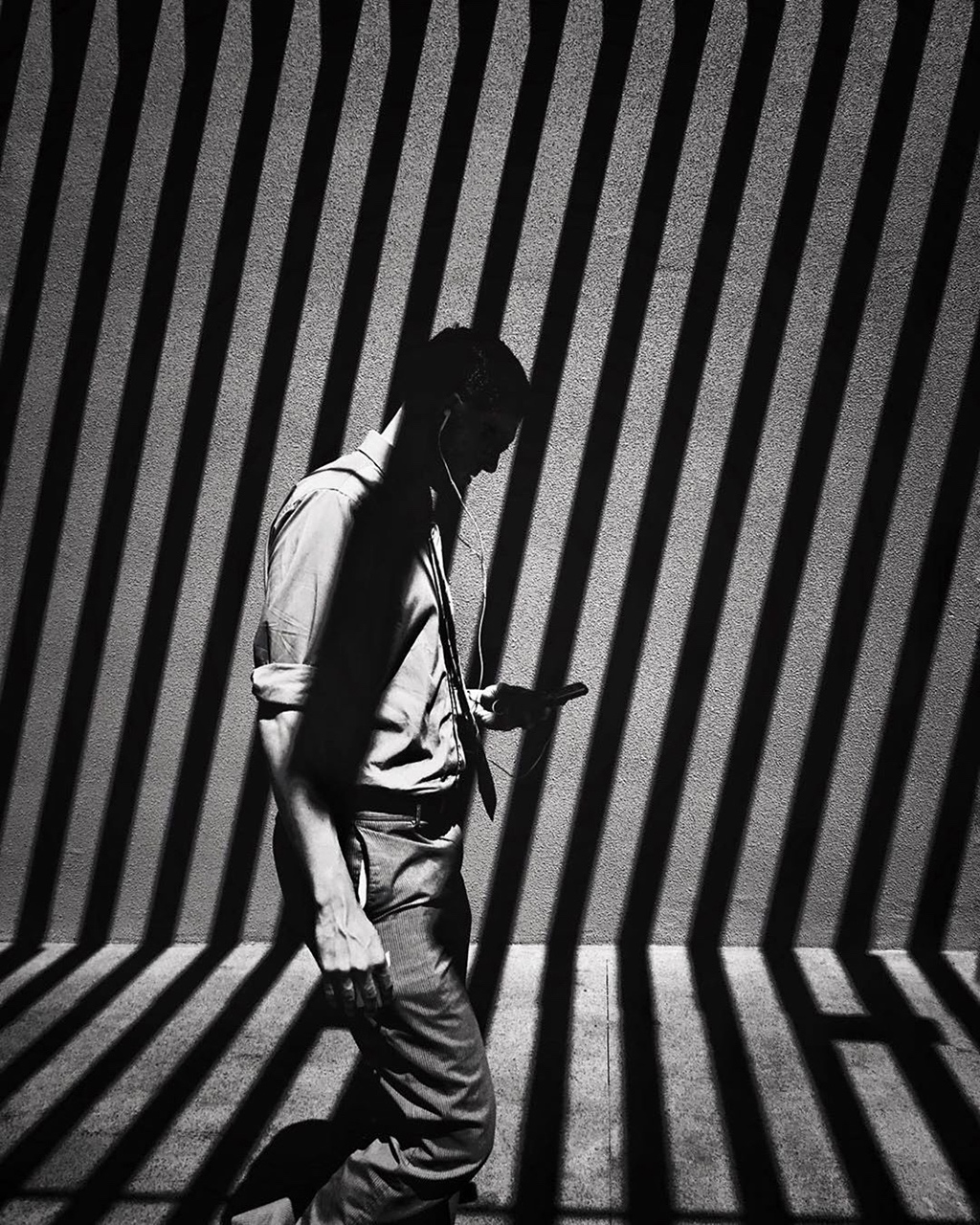
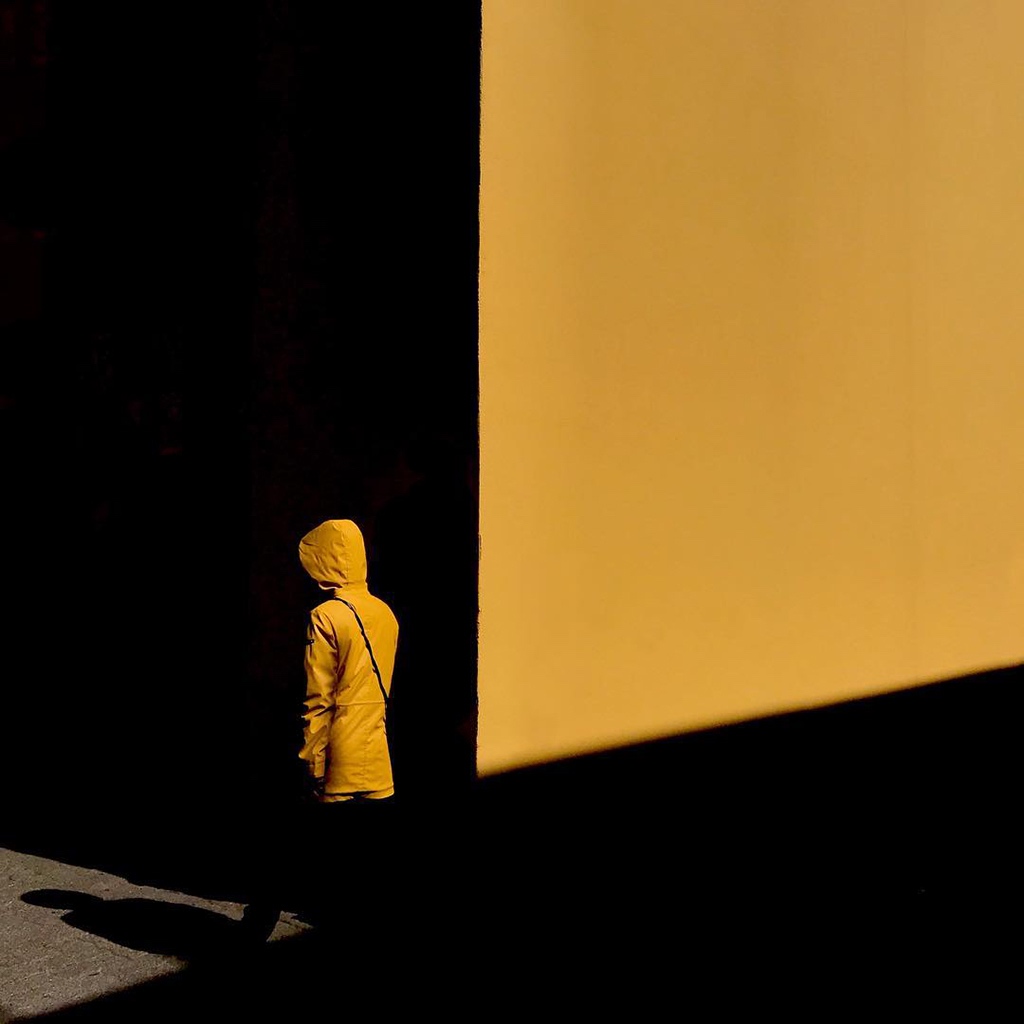
I really appreciate some of the great shadows that come out in these shots over at Mobiography.

(‘lines and shadows‘ by @arpixa)
(‘Shadow casting‘ by @poetry fish)
(‘Untitled‘ by @lasina)
(‘On the dark side‘ by @jawdoc2)
(‘ RED ‘ by @dviviano)
(‘high light reverie‘ by @chasread)

Music I’m Digging

Having figured out the problem of songs not being added to my ‘Songs I Love’ lists, my monthly lists are going to be a lot more expansive than those in the past. My May 2019 list clocks in at around 5 ½ hours, with a mix of hip-hop, rap, pop, and a bit of alternative and rock.

Neat Podcast Episodes

  • Lawfare – Avril Haines, Eric Rosenbach, and David Sanger on U.S. Offensive Cyber Operations // This is an insightful, and nuanced, consideration of the equities which are taken into account when the United States engages in different classes of cyber operations. While the title of the podcast is focused on offensive cyber activities, the same logics can clearly be applied to defensive activities such as those linked with vulnerabilities equities processes or development of activities intended to mitigate harms emitted from foreign adversaries.
  • Lawfare – Jim Scuitto on ‘The Shadow War’ // While Scuitto doesn’t necessarily talk about anything excitingly novel in the summary of his book, he does an absolutely terrific job in summarizing the high-level threats to American (and, by extension, Canadian and Western) national security. From submarine threats, to space threats, to cyber, the threat landscape is remarkably different today as compared to twenty years ago. In terms of responses or solutions, key to the American approach is reconsidering and re-engineering the responses to aggressive actions. Clearly American responses have failed to dissuade actors such as Russia and China in certain spheres, such as aggressive military engagement and cyber espionage and propaganda, and so more directed cyber-based activities meant to expose the corruption of foreign leaders might represent the next logical step for the U.S. military establishment.

Good Reads

  • When the Hard Rains Fall // Welsh has done a terrific job in both outlining the policy and financial and scientific causes that lead to serious, and dangerous, flooding in Toronto while marrying it with superb storytelling. Not only does the article provide a huge amount of information in an impeccably understandable format, but the graphics that accompany the piece in certain sections are almost certain to elicit an emotional reaction. Stories like this demonstrate why it’s important to pay for investigative reporting, while also showcasing how contemporary technologies can improve narratives for clarity and impact.
  • ‘Botanical Sexism’ Could Be Behind Your Seasonal Allergies // In an ironic turn, when trees were routinely planted in urban environments in the 1960s, males of the various species were chosen on the basis that they wouldn’t promote litter by dropping seeds. However, these trees expel significant amounts of pollen which has had the effect of creating ‘pollenpocalypse’ events that both severely aggravate seasonal allergies and leave vast swathes of pollen coating the city.
  • Female Spies and Their Secrets // As in so many fields, women’s contributions to the intelligence and security services were largely erased from history as men replaced them. However, newly recovered and disclosed histories are showcasing the role(s) that women played throughout the second world war to lead underground resistances and otherwise facilitate Allied intelligence efforts.
  • Your threat model is wrong // Robert Graham’s abrasive and direct writing is refreshing, especially when he writes about phishing: “Yes, it’s amazing how easily stupid employees are tricked by the most obvious of phishing messages, and you want to point and laugh at them. But frankly, you want the idiot employees doing this. The more obvious phishing attempts are the least harmful and a good test of the rest of your security — which should be based on the assumption that users will frequently fall for phishing.”
  • After the Retail Apocalypse, Prepare for the Property Tax Meltdown // In the United States, some big box stores are attempting to (and succeeding in) reduce their property tax bills by arguing their stores should be valued at millions of dollars less than their current valuation. The result is that small towns, many of which invested in significant infrastructure projects to lure these stores, are at risk of having to reduce their services or defer additional investments that are less-focused on the company in question. Activities like this, combined with the general massive reduction in corporate taxes following the US government’s taxation changes under President Trump, threaten the very ability of small and large towns and cities to invest in infrastructure for the betterment of their residents.
  • The Secret to This Brazilian Coffee? Ants Harvest the Beans // In another instance of how weird and amazing the ecosystems of the earth are, ants that have inhabited an organic coffee farm in Brasil are affecting the taste of the beans in the process of removing the fruit around the beans to feed to their young. Apparently, this has effects on the acidity and taste of certain stronefruits, while also showcasing the interdependence of organic beings in the same ecosystem.
  • How To Make A Relationship Last // The guidance in this piece spoke to me, and reflect how I personally view long- term relationships and choice. Cage nicely summarizes that challenges of continuously choosing to stay in love, and in doing so provides a good set of instructions for others to follow and innovate upon.
  • How To Be A Leader — For Someone Who Hasn’t Been A Leader Before// This is really, really good and quick advice for someone who holds a leadership role, or is about to assume one. They key bits that stuck out include: put others before yourself, act as a role model instead of a boss, and be transparent about where you have weaknesses and work with your team to make sure they’re covered off. In effect, leadership under this model involves being humble, supportive, and aware of the need to improve the life and lots of your team.

Cool Things

  1. Ok, what I really want is to be able to add a title to a photo in Apple Photos on iOS, and then when I export the photo to, say, Instagram for the title to be automatically updated. But I realize I shouldn’t dream of such ‘exceptional’ capabilities and so will settle for adding titles manually in iOS and Instagram. Like an animal.
Categories
Photography

Black and White, Compacted

I’ve been spending a lot of time seriously reacquainting myself with my Sony rx100m2. This is an older camera at this point, but I’ve made a decision that I exclusively shoot black and white on it, and this is the camera that is (almost) always with me. I’m basically forcing myself to actually shoot black and white, as opposed to adding black and white filters to colour photos. It means some colour shots are probably “lost” but, at the same time, a whole pile of amazing shots (to my eye) are being captured because I’m learning a whole new way of seeing the world.

Below are some of the happier results of this experiment; I can definitely see a future where I print out a pile of these types of photos to put up around my office or home.

The Race! by Christoper Parsons
Stand! by Christopher Parsons
Home by Christopher Parsons
The Spot by Christopher Parsons
Trapped by Christopher Parsons
Apparition by Christopher Parsons
Categories
Links Photography Roundup Writing

The Roundup for February 16-March 4, 2019 Edition

Families by Christopher Parsons

Welcome to this edition of The Roundup! Enjoy the collection of interesting, informative, and entertaining links. Brew a fresh cup of coffee or grab yourself a drink, find a comfortable place, and relax.


Inspiring Quotation

“Do what you feel in your heart to be right —for you’ll be criticized anyway.”

  • Eleanor Roosevelt

Great Photography Shots

Winnie Au’s photographs of dogs in sculptural comes of shame are just amazing and hilarious.

Music I’m Digging

  • Daniil Trifonov – NPR Tiny Desk Concert // Trifonov’s performance is just spectacular, and his Chopin is amongst the best I’ve ever experienced. The nuance of his playing cannot be overstated; his technical mastery lets him truly express the emotions behind each of the with which pieces he engages.
  • Kehlani – While We Wait // I’ve been listening to this a lot over the past few weeks; Kehlani’s R&B and soul vibes make for both pleasant background listening as well as concentrated, full attention, listening. Her track with 6LACK, in particular, strikes me as a solid contribution to her emerging body of work.
  • Run the Jewels’Run the Jewels, Run the Jewels 2, and Run the Jewels 3 // I’ve had these albums on near-constant replay over the course of the past two and a half weeks. I really appreciate the aesthetic of the beats that El-P lays down and his general MC skills, especially as combined with Killer Mike’s lyrics. It feels like they’ve taken the best of New York circa the mid-90s or early 2000s and Atlanta circa the mid-2000s to today. Almost every track has a special bit of resonance and, on the whole, the cohesiveness of all their albums to date is really exceptional.

Neat Podcast Episodes

  • TVO – The World’s Shrinking Problem // This is a counter-intuitive assessment of the state of the world’s population. Whereas popular thought holds that the world is running out of space, Darrel Bricker and John Ibbitson’s new book Empty Planet: The Shock of Global Population Decline suggests that average birth rates are significantly declining to under 2.1 children per women in numbers well populated areas of the world (e.g. China, India, etc). The result: immigration is critical to maintain populations, and especially youthful populations, if a consumer-based economy is going to continue.
  • TVO – The Asian world Order is Coming // With Asian populations increasingly coming into their own, as they become more truly self-governing states as opposed to driven substantively by colonialists their decisions on who to trade with, how to approach basic rights, and baseline conceptions of equality will increasingly follow from self-determined positions as opposed to those imposed by others. There are more people living in Asian democracies than in any other part of the world and trade between Asian countries is increasingly interregional. As such, a genuine reorientation of the world blocs may be taking place and to the effect of seeing Asian nations coming (back) into their own after approximately 500 years of colonial influence and rule.
  • Lawfare – Marie Harf and Bill Harlow on CIA Public Relations // In this long form interview with former members of the CIA’s public relations team, Daniel Priess unpacks what the role of the team is, how they interact with other members of the Agency, and the reasons for which the relations team tries to correct the record. What I found most interesting was that the press team was not designed to create positive spin for the CIA but, instead, to make news that comes out less negative. Close observers of the CIA might dispute this position — there is a history of the CIA, especially over the past decade or so, attempting to influence American public opinion vis-a-vis who gets access to people in the CIA to develop movies and TV shows — but nonetheless this was an interesting podcast that while presenting information about the public relations team was also, without a doubt, an effort to influence minds about how the CIA itself operates.
  • The Axe Files – Claire McCaskill // McCaskill was a Democratic Senator who lost her seat in the last election. This interview with her is helpful and productive in thinking through how the Senate works, changes in USA politics over the past twelve years, and the things that primarily drive Mitch McConnell, the current Senate majority leader.
  • The Documentary – Japan’s Elderly Crime Wave // The issues of loneliness, shame, and insufficient welfare state mechanisms along with a generally healthy society are all leading to a heightened number of elderly persons in Japanese prisons. This episode of The Documentary dives into the problem and speaks directly to those who are incarcerated to better understand why they’re imprisoned, whether they see a life for themselves that is permanently outside of prison, and how a Japanese culture of shame is leading to elder members of families being permanently exiled from their closest social connections.

Good Reads

  • Love and Limerence // A long assessment of what’s it’s like to experience infatuation towards another, this review of limerence — “an involuntary interpersonal state that involves an acute longing for emotional reciprocation, obsessive-compulsive thoughts, feelings, and behaviors, and emotional dependence on another person” — functions as a diagnostic utility as well as a way of mapping likely outcomes when there is a variance between expressions or perceptions of limerence. The review of the term, and Studs Terkel’s associated book, are underscored by hundreds of pages of first hand accounts of feeling enthralled by another person, with the components of limerence breaking down to, first, a sign of hope that the person might reciprocate and, second, uncertainty. However, the perceptions that a limerent person has towards their limerence object is as much a projection of their own illusions as anything else; that which is perceived is unlikely to be representative of the actual other person.
  • Shopping in Pyongyang, and Other Adventures in North Korean Capitalism // The development of the North Korean economy, and specifically the acceptance and integration of open markets throughout the country, bely the perception of the country as a fully controlled socialist system. Of particular note is the rise of bosses who collect rents from persons selling in markets. This emerging upper-merchant class is unlikely to seek political power and work to open North Korea’s borders and gain access to foreign markets. Instead, these merchants principally seek to maintain the existing political system because it protects them from external competition; instead, this group of merchants are likely to instead seek to obtain and leverage political power to keep the state’s attentions fixed elsewhere. In effect, these are scions of political conservatism as opposed to leaders for liberal political reform.
  • Don’t buy a 5G smartphone—at least, not for a while // Ars Technica’s Ron Amadeo has a terrific, and concise, summarization of what 5G technologies entail in 2018/19 and why the hype over the technology likely won’t meet reality in the near future. Specifically, the characteristics of the radio frequency utilized in 5G communications combined with the increased size of chips used (and associated radios) mean that not only will early-generation 5G-compatible phones be significantly more expensive, they will likely also have worsened battery lives. It’s based on details like this that I genuinely believe we won’t see real 5G penetration for at least 5 years, barring a significant revolution in how and why the newly utilized spectrum is taken advantage of by innovative technologies and systems.
  • How Run the Jewels Became Hip-Hop’s Most Intense Truth-Tellers // While Weiner’s article came out several years ago, it continues to provide a solid background to where Run the Jewels emerged from, the variances in attitudes and politics of El-P and Killer Mike, and what happened (and why) when they teamed up. Further, it’s noteworthy that their music is as much ‘consciousness rap’ as it is about asserting their status in the hip hop community and delving into their sometimes difficult pasts.
  • Modern Love – How Bibliophiles Flirt // There is so much to appreciate in this story about presentation of self, and becoming who one desires to be (or sees oneself as), as well as the blossoming of love that culminates with a return to fun game which was played a year earlier.
  • A basic question about TCP // This is about the best explanation of TCP/IP that I’ve ever come across. Graham has littered the typically technical explanations with a large volume of examples so that even the most technically unsophisticated reader should walk away with a pretty good grasp of the protocol, its difficulties, and the problems associated with ‘smart’ networks.
  • Strep A bacteria kill half a million a year. Why don’t we have a vaccine? / I’d had no idea just how dangerous Strep A could be or that repeated cases of it can lead to serious health issues. impressively, there has been an uptick in efforts to develop a vaccine against most types of Strep, with tests appearing promising. Hopefully a vaccine can be developed…and we can then convince or coerce people to get vaccinated.

Cool Things

  • UCCA Dune // Without a doubt, this is perhaps the single most beautiful contemporary art gallery — from an architectural perspective — that I’ve seen in a very long time. The interior shots of it are organic and sensuous and communicate an openness to the world whilst simultaneously behaving as a protective shell for inner contemplation.
  • Animating Anakin Skywalker in Star Wars™ Battlefront™ / The way in which the designers attribute psychological properties to Skywalker based on how he used his lightsaber prior to his turn to the dark side is pretty incredible, and speaks to the thoughtfulness that goes into many games associated with the Star Wars universe.
Categories
Links Photography Roundup

The Roundup for January 14-20, 2019 Edition

(Smile! by Christopher Parsons

Welcome to this edition of The Roundup! Enjoy the collection of interesting, informative, and entertaining links. Brew a fresh cup of coffee or grab yourself a drink, find a comfortable place, and relax.


I live a pretty minimalist lifestyle — I try to be super careful about new purchases and to not own more than I need — but it’s been a few months since I’ve done a purge. So over the past week I’ve gone through almost all of my clothing, cupboards, and drawers, and quickly and easily found four (small) bags of things to either recycle, donate, or sell. I still feel like I need to get rid of some additional things or, if not dispose of them, at least more tightly organize some of my spaces to dispense with any clutter in my closed storage spaces. I find that even organizing the ‘hidden’ spaces in my home — such as closed drawers that only I open — provides me with a sense of relief; it’s not sufficient that things outwardly appear organized and tidy, it’s important that even that which no one sees has the exact same properties. Sorta like how Steve Jobs demanded that his factories were organized by design principles and the insides of the early Apple IIs were meant as works of silicon-art…


Inspiring Quotation

“Either we all live in a decent world, or nobody does.”

― George Orwell

Great Photography Shots

As is increasingly common — in part because I keep spending time looking at just how much you can get out of smartphone cameras, and even those which are years old! — I was struck by these black and white mobiography images. It’s really impressive how well the small sensors on smartphones, even those as old as the iPhone 6 and 6s, work when placed in ideal lighting situations.

Shapes and Shadows‘ by @bigpeabella
Haunted‘ by @corvis_carrion
Untitled‘ by @db.cooper
Favorite building in Los Angeles‘ by @mjhmalibu
Long way home‘ by Dina Alfasi
Untitled‘ by @agkolatt

Music I’m Digging

  • Jrd. – Growth // I’ve been listening to this album some through the week and been really enjoying its downtempo beat; it’s been great for quietly reading or cooking. If I have one complaint, it’s that many of the tracks seem too short – just as they start to find their full on-grove, the track is over and it’s on to the next one.

Neat Podcast Episodes

  • 99% Invisible – Atomic Tattoos // I was struck by how during the Cold War, Americans were specifically taught to engage in resiliency preparation in the case of an Atomic attack. This podcast starts by examining why certain people had their blood type tattooed on their rib cage, but then proceeds with a broader assessment of resilience and questions whether Western nations are anywhere near as resilient, today, as they believed they were in the 1950s-1970s.
  • Hurry Slowly – Creativity vs Efficiency // I appreciated how, in this episode, the host explores how efficiency actually can act as a barrier to creativity. The manifold numbers of hinderances in life and creation can actually fuel the creative process itself and, as such, creatives needs to reflect on whether they really, truly, want to become ‘efficient’ and if so, why and for what specific benefits.

Good Reads

  • California’s Monarch Butterflies Hit ‘Potentially Catastrophic’ Record Low // It’s hard to imagine that in a few decades the only place we might see monarch butterflies is in butterfly conservatories and augmented reality representations.
  • The Rise and Demise of RSS // This is a tremendous summary of the history of the RSS protocol and the reasons behind why it was forked multiple times. I don’t know that I agree with the concluding assessment — that RSS is falling increasingly out of use — insofar as it still powers a lot of the backend of the Internet, unbeknownst to many Internet users. Moreover, as companies such as Feedly grow and attract subscribers I expect that people will use RSS more and more, even if they don’t know their reading is being powered by RSS feeds. Still, it has to be admitted that outside of a relatively tech-literate audience the protocol itself is largely unknown. Less evident, however, is whether knowing about the protocol matters so long as it remains in use.
  • If we stopped upgrading fossil-fuel-using tech, we’d hit our climate goals // While there isn’t any possibility that the world will generally swap its infrastructure to green technologies in the near future, this study (depressingly) shows how much of a difference would be made should we adopt green infrastructure now versus by 2030. Do it now, and we would likely limit limit global warming to 1.5°C above pre-industrial times; do it by 2030, and most of the simulations put us on the wrong side of 1.5°C but below 2.0°C.

Cool Things

  • The Homebrewery // This is a pretty cool latex installation that enables a dungeon master to robustly produce documents that looks and feel very similar to official Wizards of the Coast publications.
  • The Confessions Game // I’m a big fan of these kinds of ‘games’, which are really facilitated conversation starters that bypass trivial talking. This looks like it would encourage some pretty intense discussions amongst friends and partners.
Categories
Links Photography Roundup Writing

The Roundup for December 24, 2018 – January 13, 2018 Edition

(Rusty Heights by Christopher Parsons)

Welcome to this edition of The Roundup! It’s taken a bit longer to put this together given the holidays, but I’m hoping to get back to scheduling these every other week or so. Enjoy the collection of interesting, informative, and entertaining links. Brew a fresh cup of coffee or grab yourself a drink, find a comfortable place, and relax.


Over the past few weeks, I’ve had the opportunity to take my coffee-game to a whole new level: I was generously gifted a Hario Cold Brew Coffee Pot by my family in December, and a Vietnamese Coffee Filter by a friend earlier this month. It’s been a lot of fun trying to determine which brew methods I prefer more or less and, also, meant that my coffee intake has probably doubled in the past month or so! Expect some thoughts and discussions about using either tool sometime in the future!


Inspiring Quotation

Be louder about the successes of others than your own.

  • Birthday fortune I received

Great Photography Shots

In a bit of a detour from most Roundups, I’m including some of my own preferred shots that I’ve taken over the past few months.

(Ghosts and Galleries by Christopher Parsons)
(Electric Blue by Christopher Parsons)
(Safe Harbour by Christopher Parsons)
(The Deep by Christopher Parsons)
(Eat! by Christopher Parsons)
(Dive by Christopher Parsons)
(School’s In by Christopher Parsons)
(Aquatic Textures)

Music I’m Digging

  • Bird Box (Abridged) (Original Score) // This is Trent Reznor and Atticus Ross at their best. The score is haunting, dystopia, and persistently just a little creepy.
  • Neisha Neshae – Poppin on the Internet (feat. Rocky Badd) (Single) // The power and energy of Neshae’s voice comes through in this single as clearly as in her EP, Queenin’. She remains as fun to listen to, now, as with her earlier work. I’m hoping that whenever she publishes a full album it manages to retain the strength and consistency of all of her work to date!
  • Jean-Michel Blais – Eviction Sessions (EP) // Blais’ work remains evocative and minimalist. This EP came after he was literally evicted from his Montreal apartment, and the work he played was an effort to memorialize and commemorate the space where so much of his music had been produced.
  • Spider-Man: Into the Spider Verse (Soundtrack) // I was absolutely amazed with how good the movie turned out to be, but before I saw it I was captivated by the soundtrack. Sunflower, Familia, Invincible, Memories, and Home were the stars of the album for me, though the entirety of the album held together remarkably well. I was surprised to hear almost all of the songs when I watched the film: these aren’t just songs intended to touch on the mood of the film but, instead, are key audio-emotional components the film itself. That they stand alone as strongly as they do is a remarkable accomplishment to my ear.

Neat Podcast Episodes

  • The Sporkful – When Celery Was More Special Than Caviar // I learned so much about celery in this episode! There are different kinds! There are different tastes! There is red, as well as striped, as well as ‘blanched’ celery!
  • The Current – ‘Don’t do it’: Trump’s criticism of central bank could backfire, warns former vice-chair // I found it most useful to hear about the difficulties in linking politics and a central bank and how, even if Trump does want to effect change quickly, that central banks and economies move so ponderously that he’s absolutely unlikely to adjust rates or the economy in a rapid manner should the current chair be replaced or the Fed totally shift its approach to the economy. Of course, neither of those things are likely and, instead, Trump will just posture for the purposes of satisfying his base.
  • Relationship Advice – What’s Your Fantasy? // The non-stigmatizing approach to thinking through, and engaging with, sexual fantasy in romantic relationships struck me as outlining a useful way of having conversations on the topic. Equally important was how to engage with a partner when they outline a fantasy that would be challenging or uncomfortable to satisfy, and how to find alternate means of expressing it in a manner that is satisfying and comfortable for all partners involved in it.
  • The Documentary – India’s battle with online porn // I went into this episode assuming, by default, that I would oppose all the proposals to ban or censor access to pornography. And while I mostly retain this position, I admit that I was shocked to learn about how common rape videos are being shared and it left me wondering about what approach makes the most sense to inhibit the spread of such violent videos while preserving basic rights. Especially given that many of the videos are shared between peers over encrypted messaging applications I don’t have an immediate response on how to deal with the sharing but, nonetheless, concur that the transmission of such videos does represent a real social ill that needs to be addressed.

Good Reads

  • Managing Burnout // As someone who’s suffered burnout a few times I think it’s really positive that a prominent member of the security community is openly discussing this challenge. Richard’s suggestions — that you build a fund for just burnout — is pretty solid, though admittedly works better in a community with above-average wages. What is missing, however, is an assessment of how to fix the culture which leads to burnout; that has to come from management since employees will take their cues from above. And to my mind management has to focus on combating burnout or else risk losing high-value employees with little opportunity to get an equivalently talented and priced replacement employee in the contemporary job market.
  • The 12 Stages of Burnout, According to Psychologists // Ever wonder if you or a loved one are suffering through severe burnout? This helpful list will showcase the different things that suggest burnout is being experienced with pretty clear indicators that you can use for self-diagnostic purposes.
  • “They Say We’re White Supremacists”: Inside the Strange World of Conservative College Women // Nancy Jo Sales’ long form piece trying to understand and express why young women support Donald Trump is illuminating, insofar as it showcases how these women hold more complex positions on some issues (e.g. abortion, rape) than might be expected while also conforming to stereotypes in other ways. What is hardest to appreciate is perhaps that they genuinely do regard feminism as ‘over’ and no longer needed, at least as they have lived their experiences as young white women. That they do not have a longer set of life experiences, such as in long term employment, nor experiences of minority populations, combined with Fox and similar news sources filling their political news appetite, makes their positions largely unsurprising. However, what also stands out is the automatic dismissal of their values and thoughts by liberal minded persons on campus: while liberalism must be intolerant of deep intolerance — such as white supremacy — that cannot apply to people who are simply holding divergent political opinions or else liberalism will have internally rebuked it’s own reason for acting as an effective and inclusive political theory.
  • Pilot project demos credit cards with shifting CVV codes to stop fraud // The idea that the CVV will change to combat online fraud seems like an interesting idea, though the actual security is going to be based on how effectively protected and randomized the seed for the randomization algorithm happens to be. Since attackers will have access to the actual cards — at least if distributed widely to the public in the future — then we’ll have to assume that any failures that are readable on the chip will certainly be found and exploited, so the math and tamper resistance properties are going to have to be exceptionally well implemented. Perhaps the most notable element of the proposed cards arrives at the end of Megan Guess’ article: whereas a regular card costs $2-4, those with a lithium battery to update the CVV will run closer to $15. In other words, whomever is producing the cards will need to be assured that they will, in aggregate, reduce fraud costs enough to merit the heightened production costs. It’ll be very interesting to see if the cards are suitably effective to lead to mass production or whether economics, as opposed to security, result in the cards being just a short-term trial or experiment.
  • Kengo Kuma’s Architecture of the Future // Kuma-san’s efforts to make architecture disappear, and work in contravention to the fantastic metal and glass structures of modernism and post-modernism, strike me as a kind of attempt to envision wabi-sabi in structures. In effect, his focus on the natural and celebrating the traditional and honouring its (often imperfect) characteristics seem to align with a need to seek peace and simplicity absent overt efforts to establish egoist-driven artefacts devoted to humanity’s triumphs.
  • This is how Canada’s housing correction begins // Kirby does a good job in collecting data to suggest a serious market correction could be coming as the Bank if Canada increases rates, which has had the effect of squeezing a large portion of homeowners who have grown up — and relied upon — cheap credit to buy homes and other consumer goods. Key is that the assessment doesn’t just indicate a forthcoming housing correction but, also, potentially a serious recession. Moreover, just how widely will this ‘correction’ be felt: will it mostly be younger millennials or include aging boomers who have drawn against their homes to support their children’s education and home purchases?
  • Great Expectations // Reflecting on what are non-negotiable traits in relationships is something that I do with some regularity, and this Medium post does a good job of summarizing many of the basic expectations that should be realized in any loving relationship. I particularly liked how the author ends by asserting that it’s critical for partners to engage in kindness in communicating, or work to avoid brashness and hostility in communications and instead focus on communicating our feelings in an open, transparent, and loving manner.
  • The US Military Is Genetically Modifying Microbes to Detect Enemy Ships // That humanity is modifying bacteria to react in the presence of different types fo fuel exhaust and related exhausts from ships, for the purposes of surveillance of maritime environments, is the thing of science fiction. And it’s going to start happening, soon!
  • GE Powered the American Century—Then It Burned Out // In an exceptional long-form piece, Thomas Gryta and Ted Mann document the slow, though hastening, fall of the General Electric. It’s stunning to read just how hard it has been for the company, and its CEOs, to effectively reposition the company in the face of major economic and political hurdles, and without clear evidence that the company will manage to survive in its conglomerated form over the coming decade.
  • Apple Expands AirPlay 2 Video Streaming To TV Sets // Benjamin Mayo’s Assessment that Apple licensing AirPlay 2 is a good thing, because while it might cannibalize Apple TV sales it will increase the joy of using an iPhone and the overall value of Apple services, is dead on.
  • Why Cider Means Something Completely Different in America and Europe // It makes sense, but I hadn’t thought of how important alcoholic cider was for colonial Americans (and the British, more generally) for ensuring that there was a drinkable liquid available that didn’t include harmful contaminants. Nor had I thought of how the temperance and prohibition eras would have transformed the nature of cider production, and led to the destruction of orchards that contained high-tannin apples that were principally grown to make cider. If you’re interested in cider and the broad strokes of its history in the United States of America, this is a good article to read through!

Cool Things