Categories
Photo Essay Photography

Canadian Genocide

The history of Canada is linked to settle colonialism and white supremacy. Only recently have elements of Canada come to truly think through what this means: Canada, and settler Canadians, owe their existence to the forceful removal of indigenous populations from their terrorities.

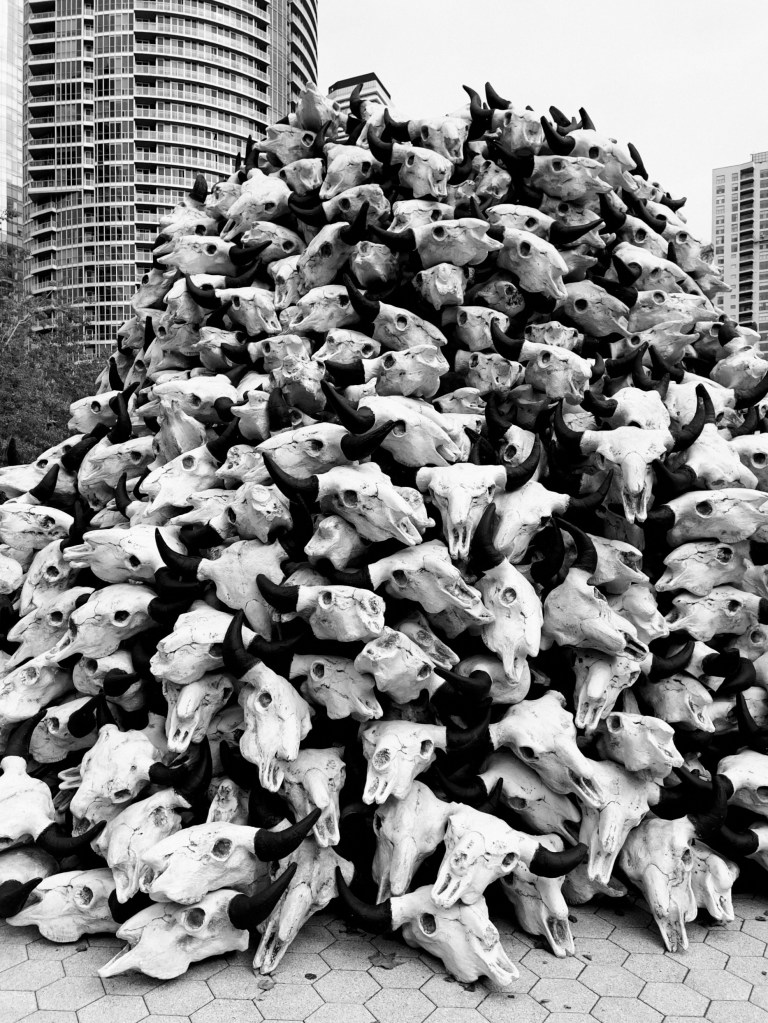
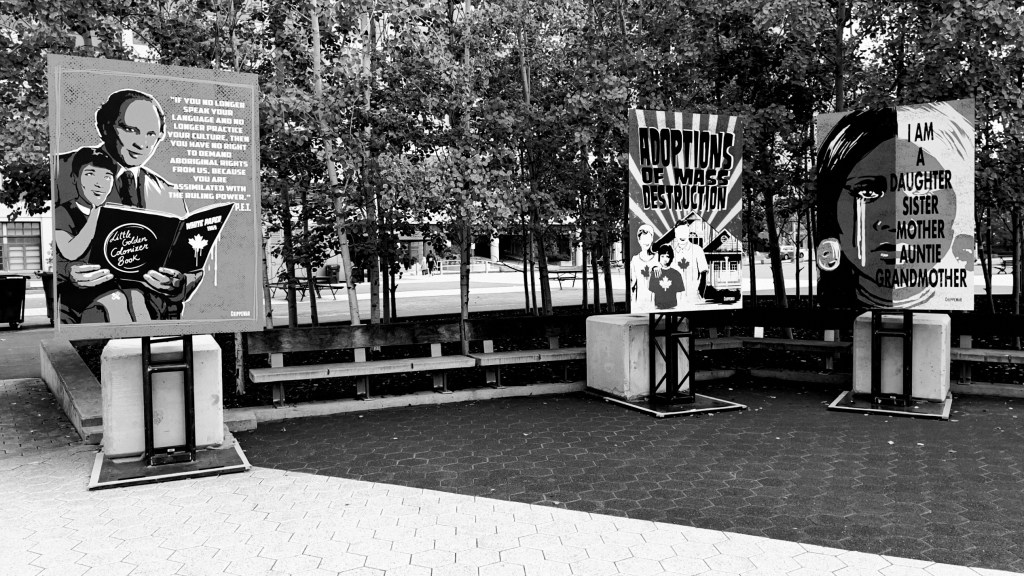
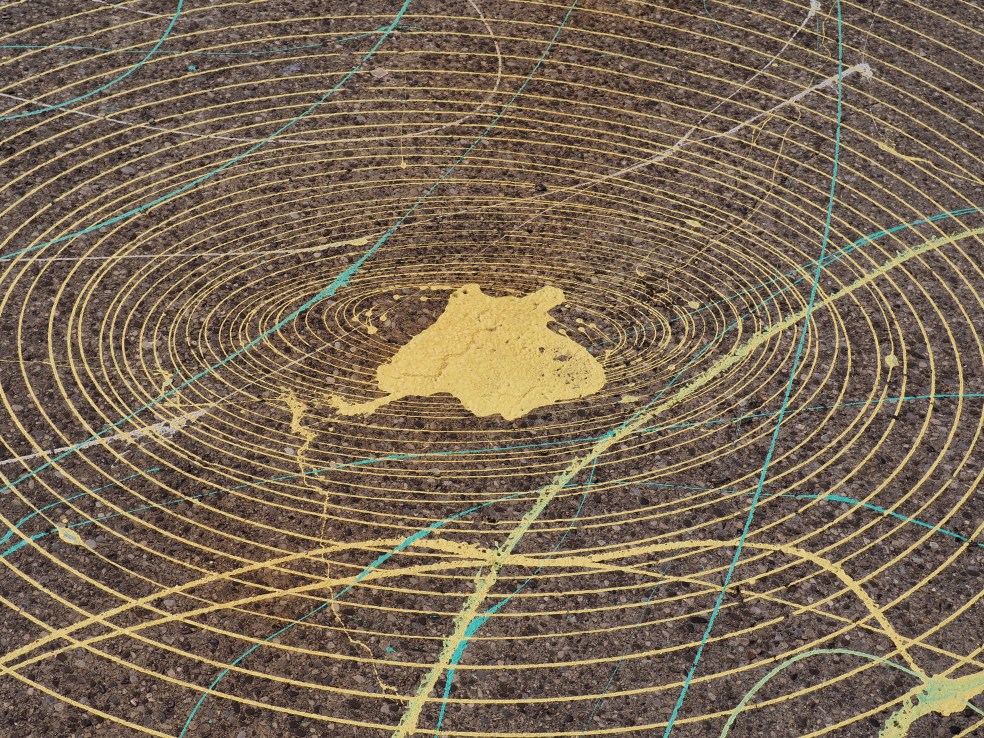
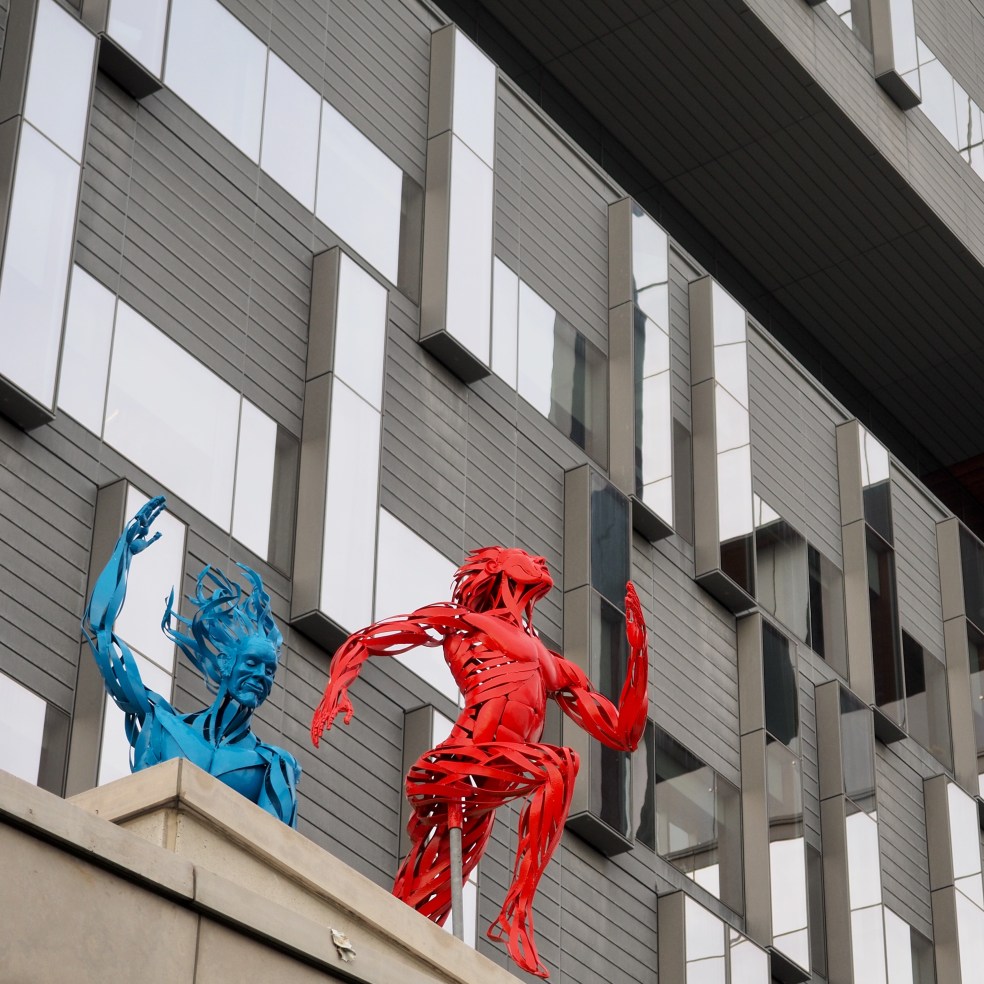
Toronto is currently hosting an art exhibit, “Built on Genocide.” It’s created by the indigenous artist, Jay Soule | CHIPPERWAR,1 and provides a visual record of the link between the deliberate decimation of the buffalo and its correlation with the genocide of indigenous populations. From the description of the exhibit:

Built on Genocide is a powerful visual record of the 19th-century buffalo genocide that accompanied John A. MacDonald’s colonial expansion west with the railroad. In the mid-19th century, an estimated 30 to 60 million buffalo roamed the prairies, by the late 1880s, fewer than 300 remained. As the buffalo were slaughtered and the prairie ecosystem decimated, Indigenous peoples were robbed of their foods, lands, and cultures. The buffalo genocide became a genocide of the people.

Working from archival records, Soule combines installation and paintings to connect the past with the present, demanding the uncomfortable acknowledgement that Canada is a nation built on genocide.

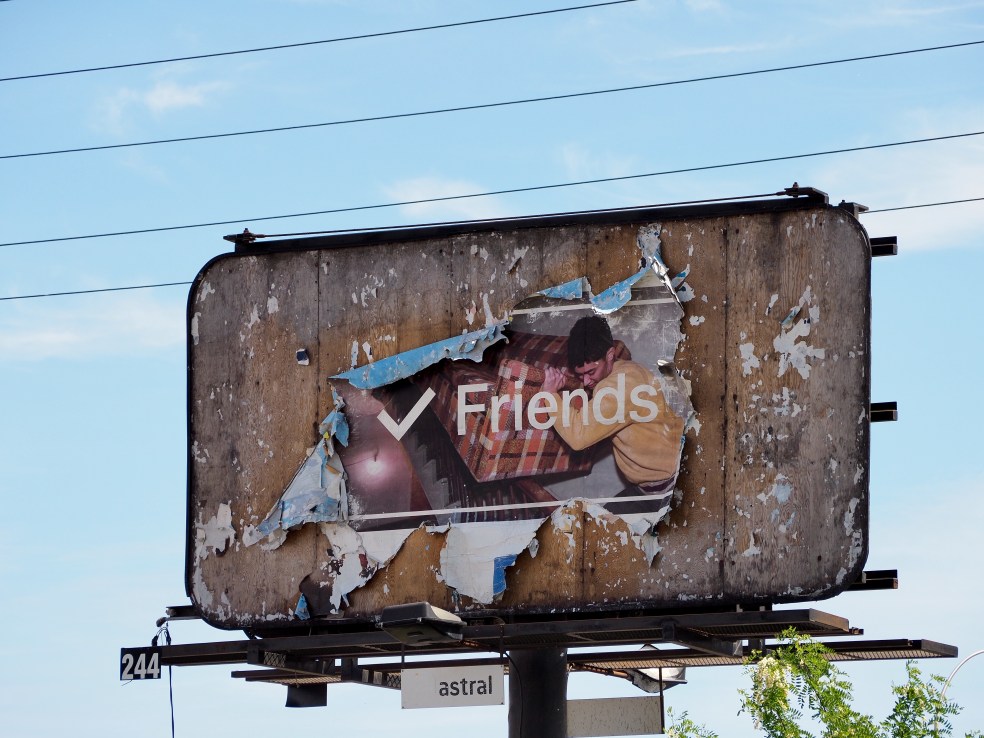
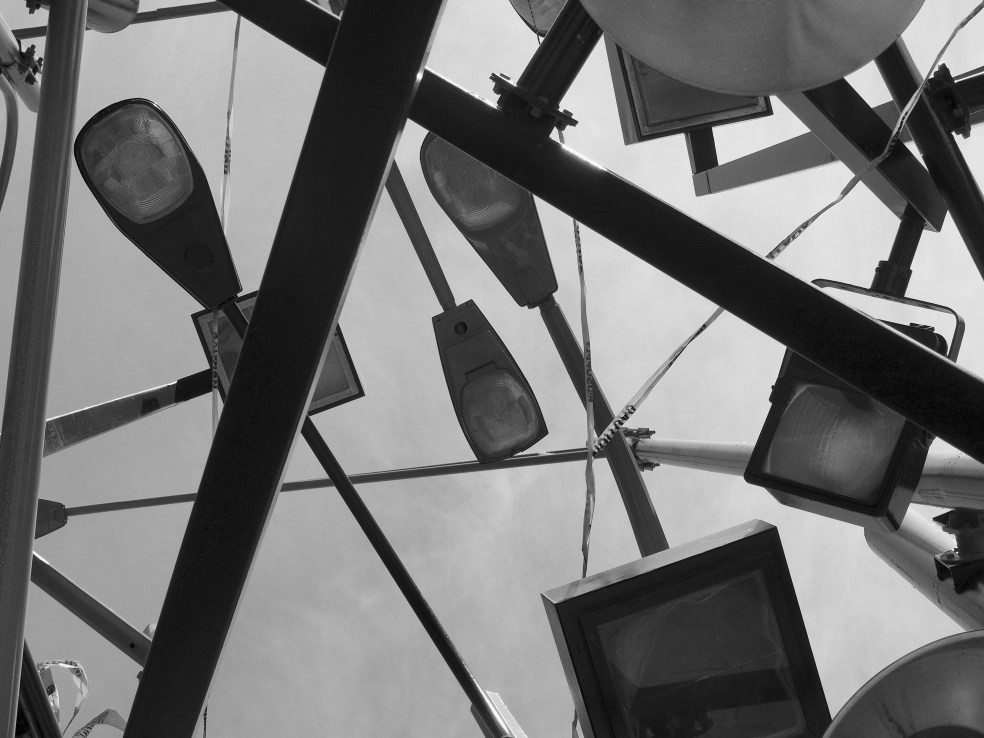
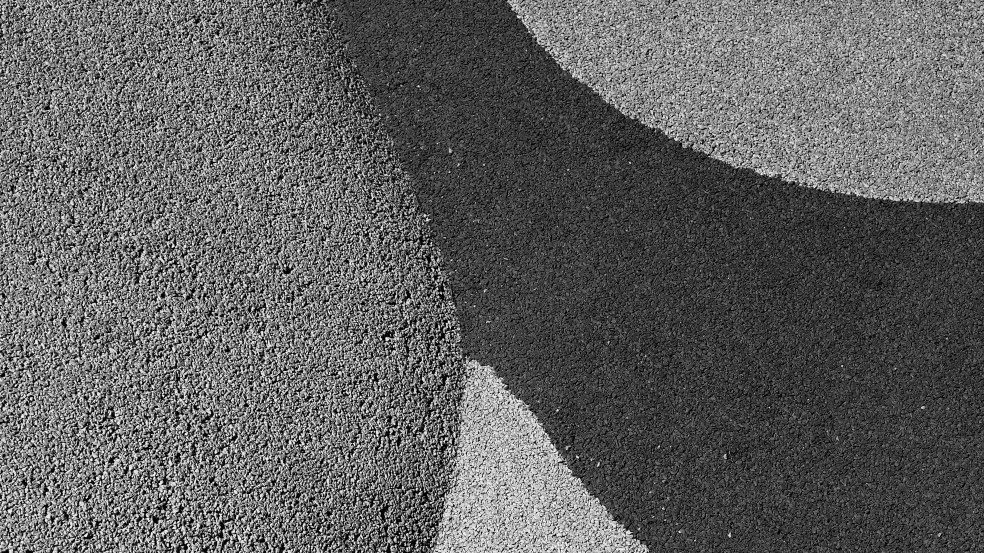
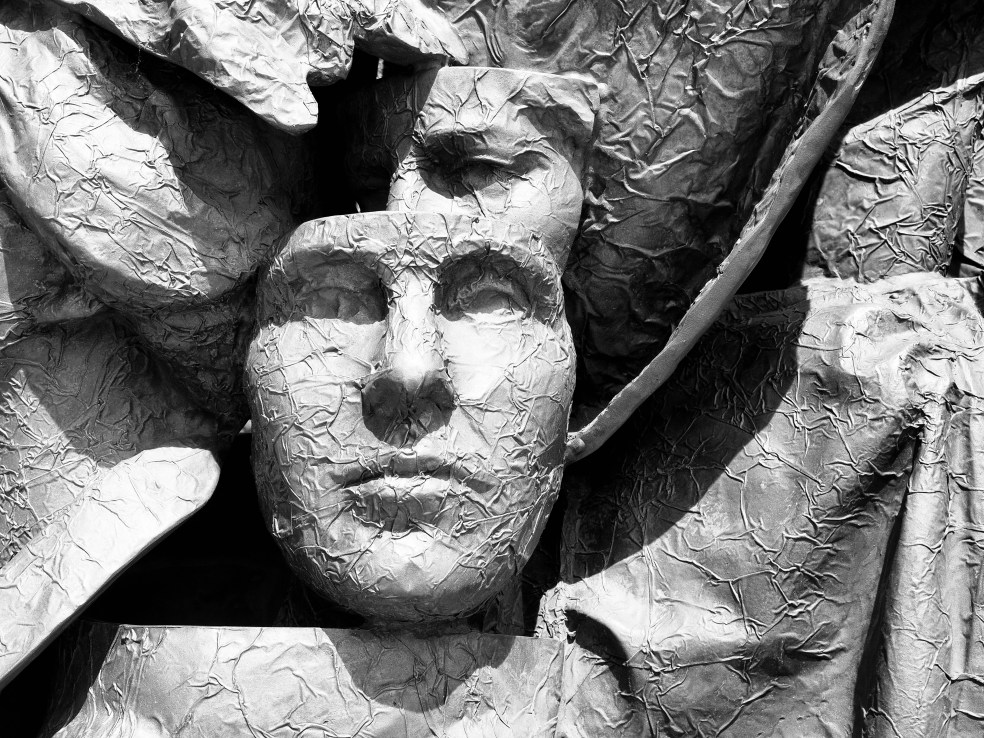
What follows are a series of photographs that I made while visiting the exhibit on October 13, 2021. All images were made using an iPhone 12 Pro using the ‘Noir’ filter in Apple Photos, and subsequently edited using a Darkroom App filter.

Canada is, and needs to be, going through a reckoning concerning its past. This process is challenging for settlers, both to appreciate their actual histories and to be made to account for how they arrived at their current life situations. There are, obviously, settlers who are in challenging life situations—som experience poverty and are otherwise disadvantaged in society—but their challenges routinely pale in comparison to what is sadly normal and typical in Canada’s indigenous societies. As just one example, while poverty is a real issue for some white and immigrant Canadians, few lack routine access to safe and clean drinking water. None have lacked access to safe and clean water for over 26 years but this is the lived reality of indigenous populations in Canada.


  1. Jay creates art under the name CHIPPEWAR, which represents the hostile relationship that Canada’s Indigenous peoples have with the government of the land they have resided in since their creation. CHIPPEWAR is also a reminder of the importance of the traditional warrior role that exists in Indigenous cultures across North America that survives into the present day. ↩︎

Categories
Photo Essay Photography Writing

A Place That Grew

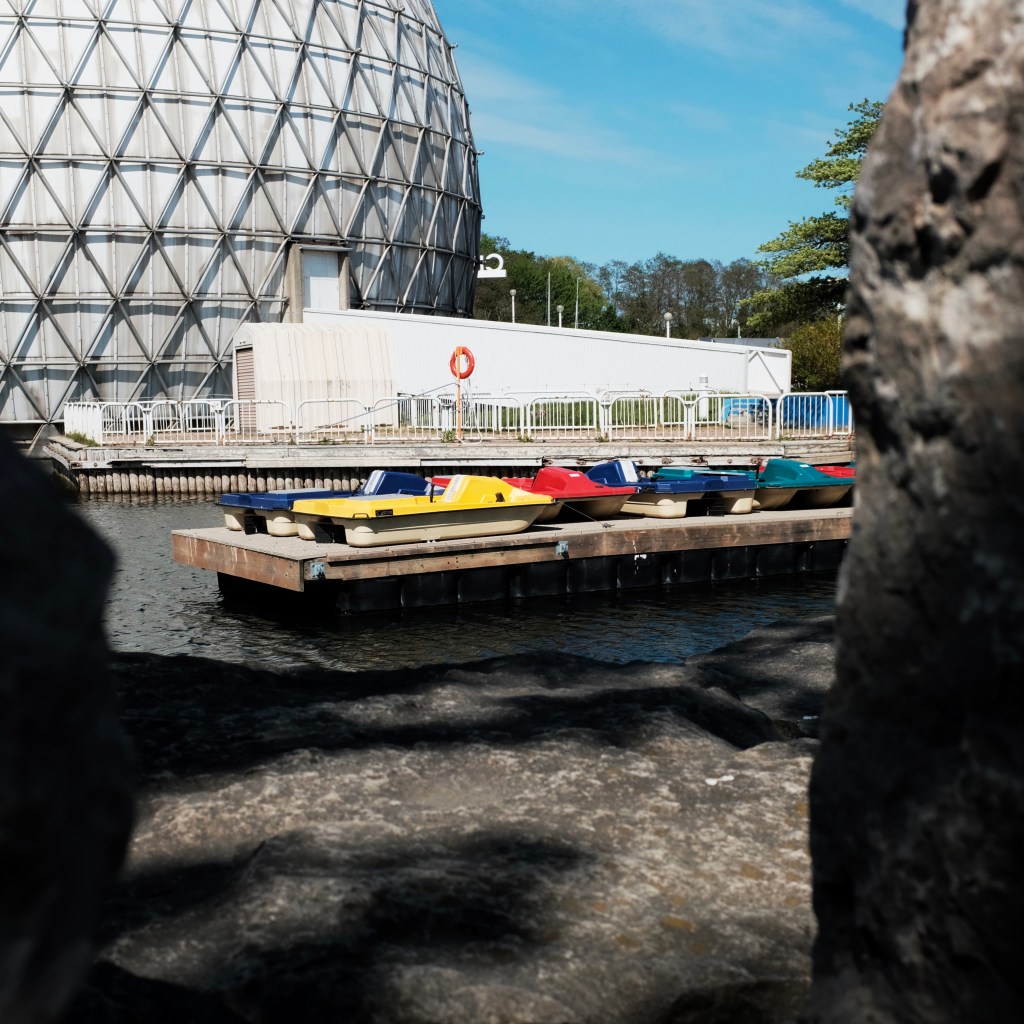
Toronto is home to Ontario Place, which was once a park that had splash pads, rides, a Legoland, and more. It was opened in 1971 and hugs Lake Ontario. It was closed in 2012 for redevelopment and, since then, has largely languished as successive governments have suggested ideas but none have come to fruition. Ontario’s official motto is “A Place to Grow”, and by extension Ontario Place itself is a place that has since grown up and is now slowly wasting away due to government neglect.

It’s also one of my favourite places in the city to visit and photograph, and especially during the pandemic when it has been relatively quiet and free of people. It’s both a very calming location and one that has very interesting buildings and urban ruins to photograph.

(Highway Views by Christopher Parsons)
(Modes of Locomotion by Christopher Parsons)

It’s getting warmer in Toronto which means that people are inclined to be outdoors; there are more cyclists and skateboarders in Toronto than I think ever before, and they’re all using the paths that are typically used predominantly by people who are walking or jogging.

(Unity Run by Christopher Parsons)
(Light Rails BW by Christopher Parsons)

Each year, I’ve managed to find or access or photograph a new part of the park that’s succumbed to lack of upkeep, and this year is no exception. An enterprising soul laid down some boards to cross over into part of the flume ride which meant I could see it for the first time! I suspect that it’ll only be a matter of time until a provincial government finally gets its way and tears down these ruins.

(Towards the Apex by Christopher Parsons)
(Down We Go by Christopher Parsons)
(Flume(ing) Graffiti by Christopher Parsons)
(Landlocked by Christopher Parsons)

I’m sure that more and more people will be using the park this year it’s limited attractions, and especially as more Torontonians get vaccinated. While I’ll miss feeling like the park is my own, it’ll be terrific to have another part of the city return to normality.

(Goodbye! by Christopher Parsons)

(All photos shot using an iPhone 12 Pro and Fuji x100f, and edited using my presets in Darkroom.)

Categories
Photo Essay Photography Writing

One Year Later

This long form photoessay showcases the absences that have been wrought by the pandemic in my city of Toronto, Ontario. The essay provides a meditation on a world of social isolation and distancing, and how the spaces that have historically united and bound Toronto’s residents have been left empty or made safe in response to being associated with risk and disease. Throughout, people are represented as separate from one another in their efforts to socially and physically distance, with individuals, pairs, or very small groups standing in juxtaposition to the much larger built world they inhabit.

All of the images were created using a combination of a Fuji X100f, Sony rx100ii, iPhone 11 Pro, and iPhone 12 Pro. Images were edited to taste using Apple Photos (for cropping) and Darkroom; two images had some healing applied using Snapseed.

(Parked I by Christopher Parsons)
(Looking to the Past by Christopher Parsons)
(Temporary Gigs by Christopher Parsons)
(Chance of Clouds by Christopher Parsons)
(Pals by Christopher Parsons)
(Unhoused by Christopher Parsons)
(Embracing Walk by Christopher Parsons)
(Time Alone by Christopher Parsons)
(Light and Tunnel by Christopher Parsons)
(Contemporary Ruins by Christopher Parsons)
(Stay Safe by Christopher Parsons)
(Urban Emptiness by Christopher Parsons)
(Comfort Run by Christopher Parsons)
(Down, Not Out by Christopher Parsons)
(Hope by Christopher Parsons)
(Dockside by Christopher Parsons)
(Not So Soon by Christopher Parsons)
(Signs by Christopher Parsons)
(Hydrophobic by Christopher Parsons)
(Social Distancing I by Christopher Parsons)
(Gateless by Christopher Parsons)
(Through a Glass Darkly by Christopher Parsons)
(Riderless by Christopher Parsons)
(Summer I by Christopher Parsons)
(Summer II by Christopher Parsons)
(Closing Time by Christopher Parsons)
(The Visitor by Christopher Parsons)
(Waiting for Next Summer by Christopher Parsons)
(Ride by Christopher Parsons)
(Parked II by Christopher Parsons)
(Christmas 2020 by Christopher Parsons)
(Message by Christopher Parsons)
(Racing the Light by Christopher Parsons)
(Midnight Stroll by Christopher Parsons)
(Spotlights by Christopher Parsons)
(Calm by Christopher Parsons)
(Arachnid Problem by Christopher Parsons)
(Urban Eatery by Christopher Parsons)
(Observer by Christopher Parsons)
(Couples by Christopher Parsons)
(Seeing Stars by Christopher Parsons)
(In The Neighbourhood by Christopher Parsons)
(Closed for New Year by Christopher Parsons)
(Social Distancing II by Christopher Parsons)
(The Walk by Christopher Parsons)
(They Are Legend by Christopher Parsons)
(The Theatre by Christopher Parsons)
(Focused by Christopher Parsons)
(Empty Stage by Christopher Parsons)
Categories
Photo Essay Photography

Pre-Snowfall Hike

Around the Bend by Christopher Parsons
Latent Speed by Christopher Parsons
Curb Your Acceleration by Christopher Parsons
Apocalypse Stronghold by Christopher Parsons
On Guard Against Z by Christopher Parsons
Standing Firm by Christopher Parsons
Categories
Photo Essay Photography

A Quiet Sunday Walk

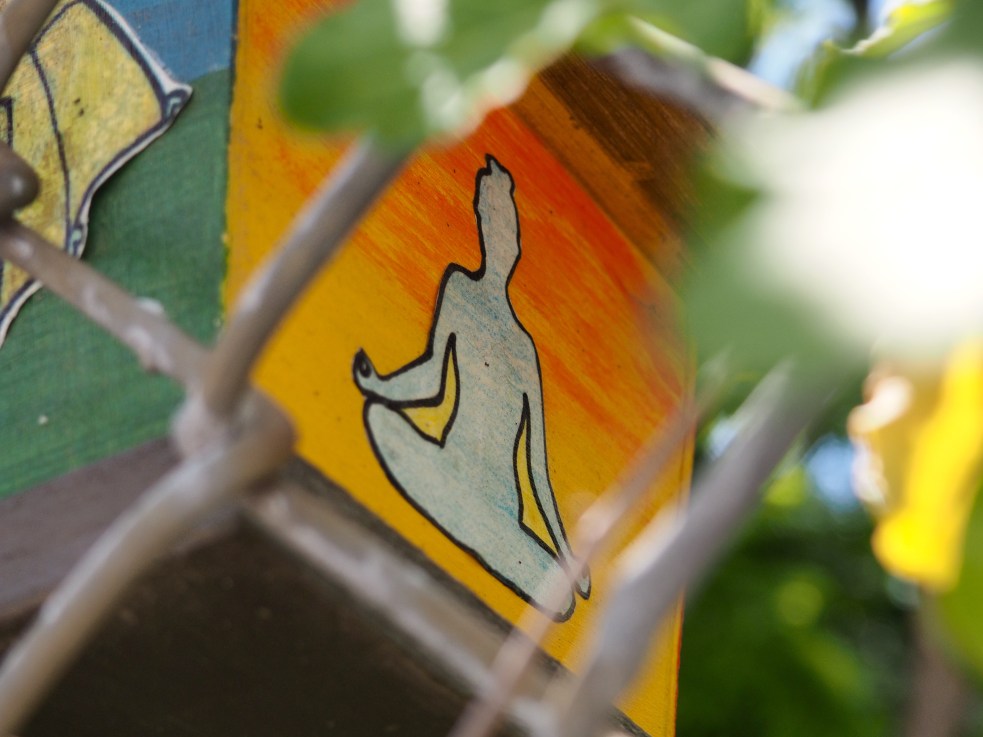
A friend of mine and I travelled into Toronto’s Canary district over the weekend to make some photos. Normally I take photos on solo walks, and it was a nice experience to be in the presence of someone else who was also focused on making images. Some of my highlights are below.

All images were shot using an Olympus E-M10ii and and Olympus M.Zuiko ED 40-150mm f4.0-5.6 R and Olympus M.Zuiko Digital 14-42mm f/3.5-5.6 II R Lens. They were edited using a combination of Apple Photos and Polar.

Namaste by Christopher Parsons

Primary Stairs by Christopher Parsons

Scrambled by Christopher Parsons

Memory by Christopher Parsons

Overheads by Christopher Parsons

Sands by Christopher Parsons

Melancholy by Christopher Parsons

Land by Christopher Parsons

And one shot from the walk home!

Flee by Christopher Parsons

Categories
Photo Essay Photography Writing

Photowalk Challenge

Natural Ladders, 2018, Toronto by Christopher Parsons

There are a lot of different ways that you can challenge yourself to a photowalk. Use specific lenses or focal lengths or creative formats. Walk a predetermined distance and take a hundred photos from that site. Shoot black and white, mobile only, or focus on a concept, colour, or number.

I think I have a challenge that’s a bit different.

Recently I planned a photowalk to wander along a river in Toronto and, along the way, shoot some sculptures I’ve wanted to look at for the last several months. I got ready to head out, threw my camera over my shoulder, and walked out of my building and into a light drizzle of rain.

The low chances of rain had turned into the reality of rain, and it was only starting to come down harder. Without weather sealed gear there was no way I was going to be walking a few kilometres in the rain and shoot.

I quickly rerouted to an enclosed botanical garden that I live nearby. And pulled out my 12-42mm 3.5-5.6 II R kit lens and started at one end of the gardens and walked all the way to the other end.

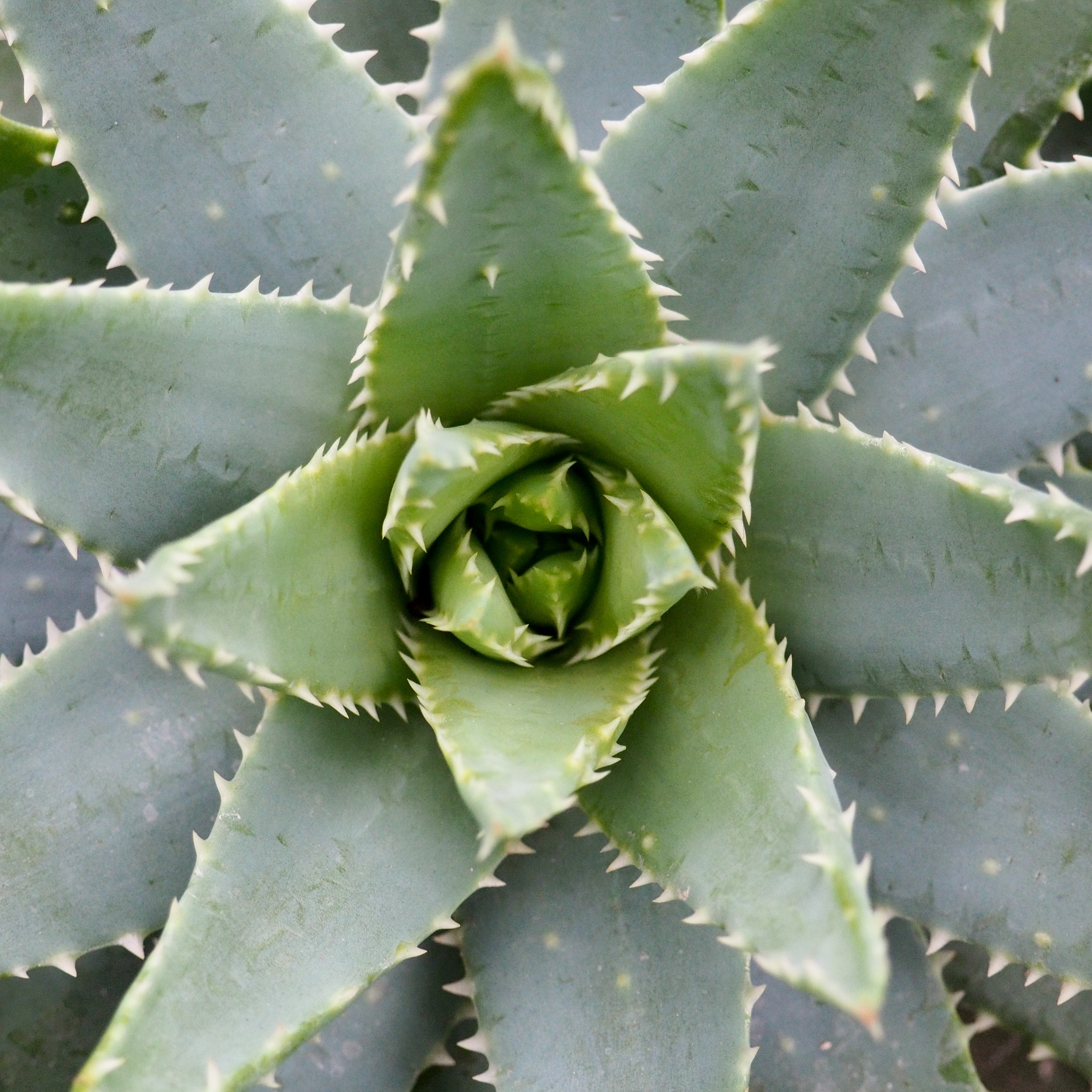
Piles, 2018, Toronto by Christopher Parsons

Sharp Symetry, 2018, Toronto by Christopher Parsons

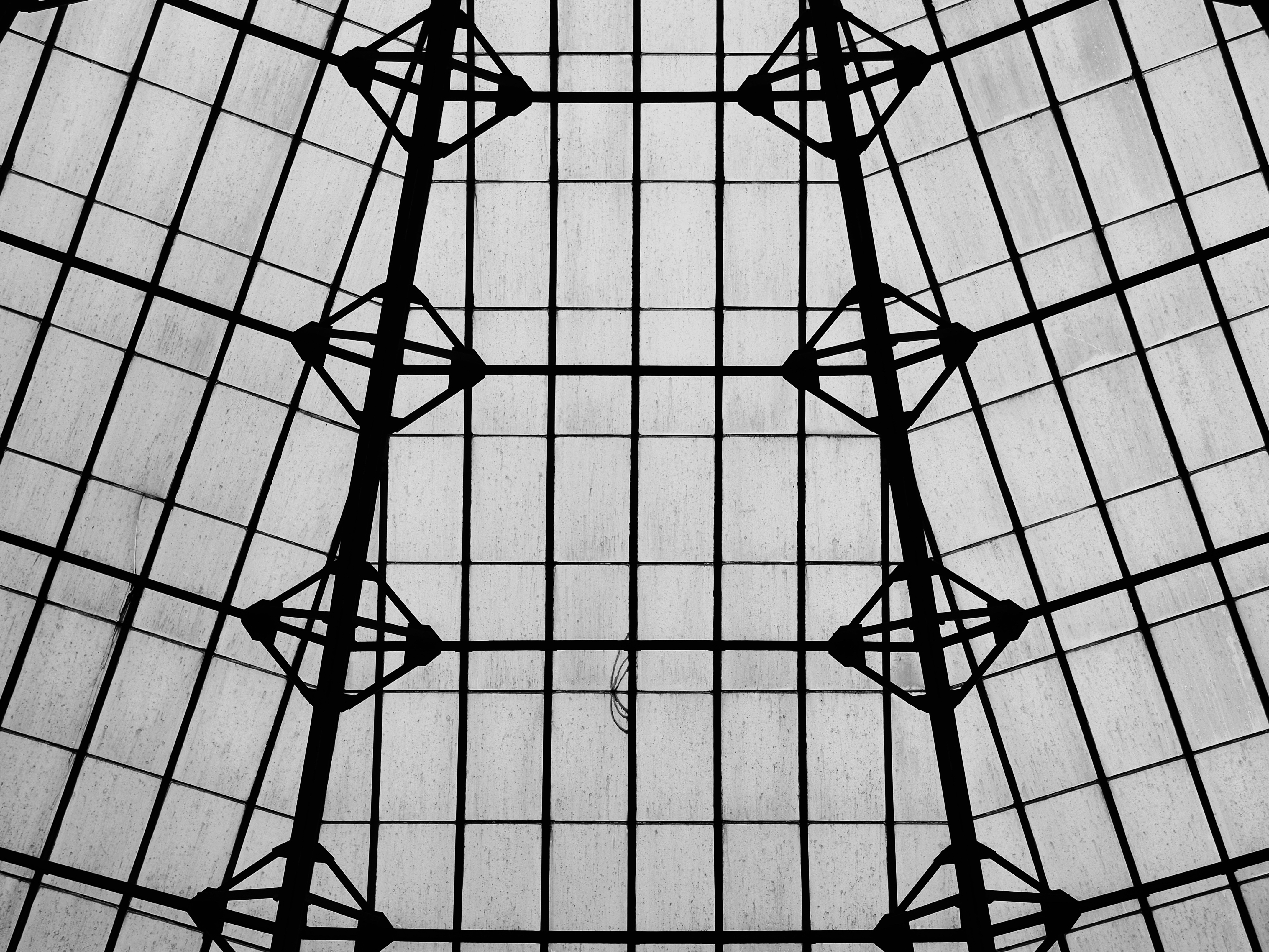
Unitlted, 2018, Toronto by Christopher Parsons

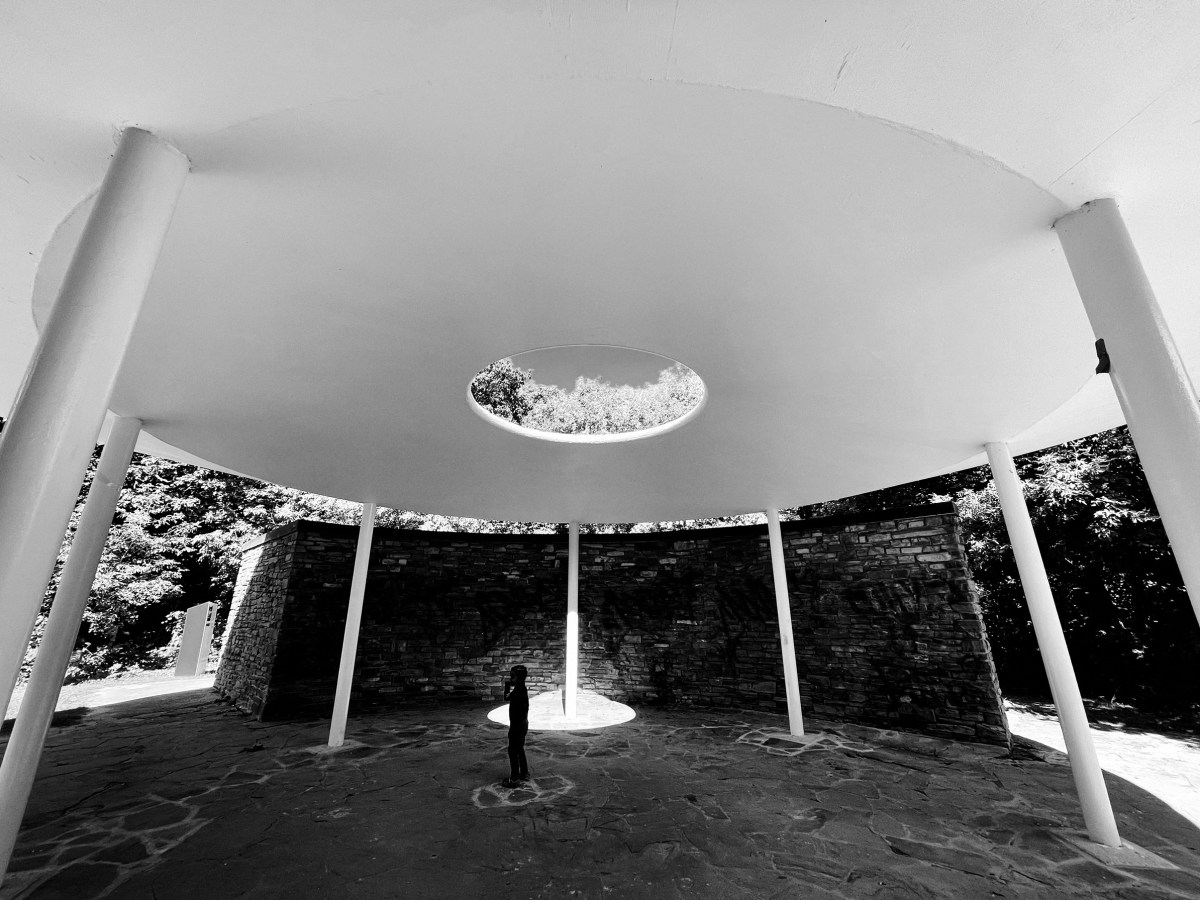
Opening, 2018, Toronto by Christopher Parsons

Revealed, 2018, Toronto by Christopher Parsons

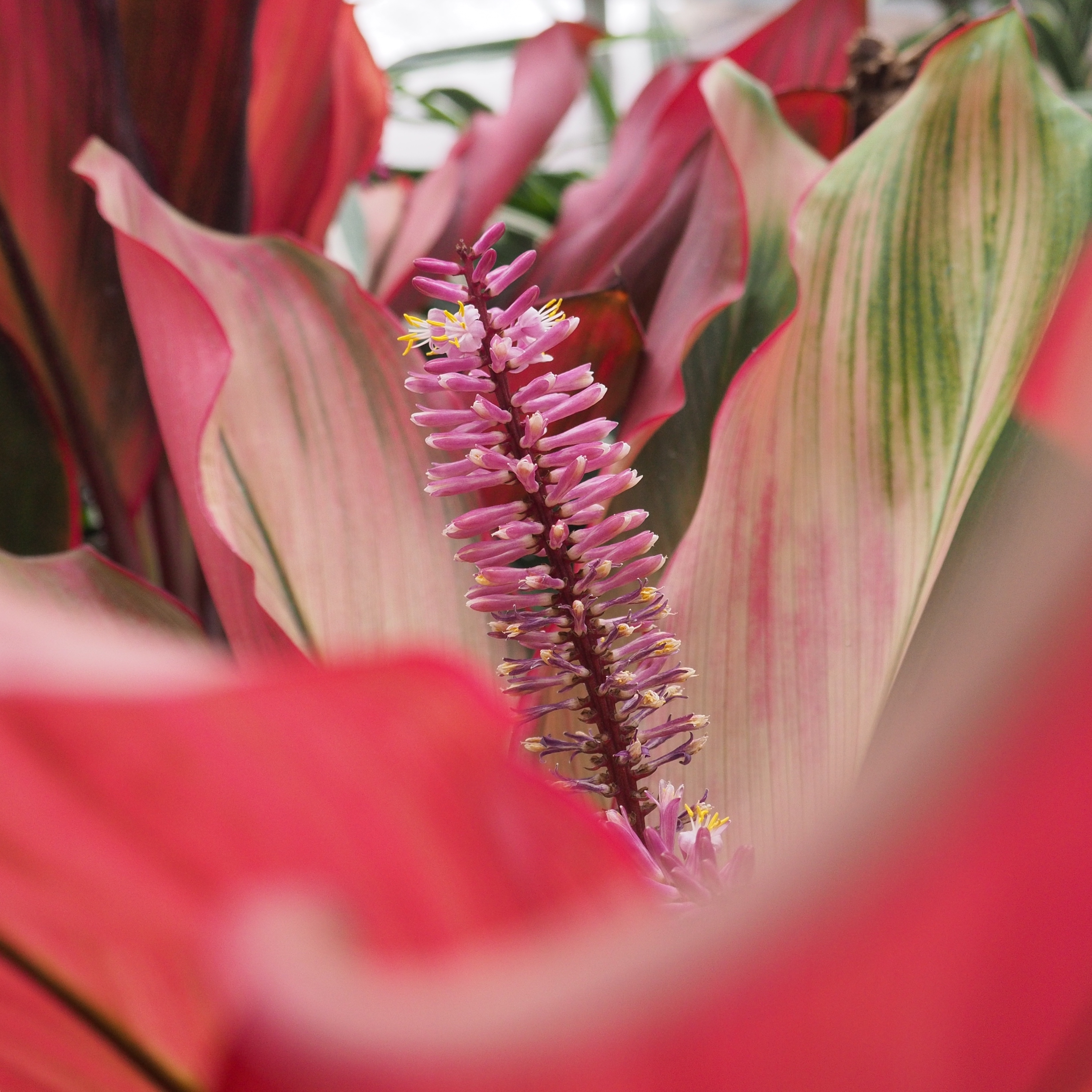
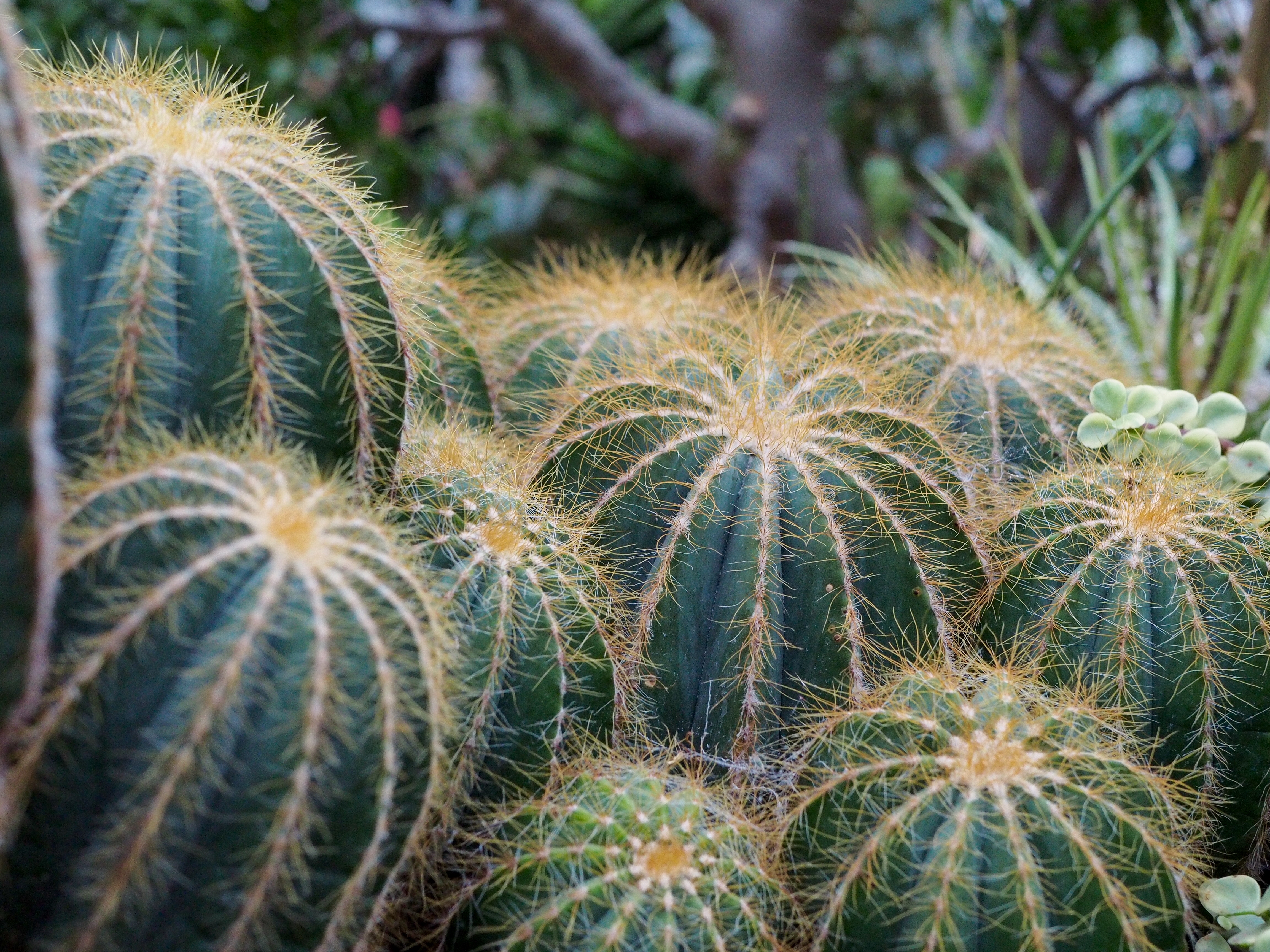
I then swapped out my lens for the Panasonic 25mm 1.7 I had with me, and proceeded to walk all the way through the gardens once more. The shots I got tended to be different from the zoom lens, and forced me to think about what was differently possible to shoot with the prime lens compared to the short zoom.

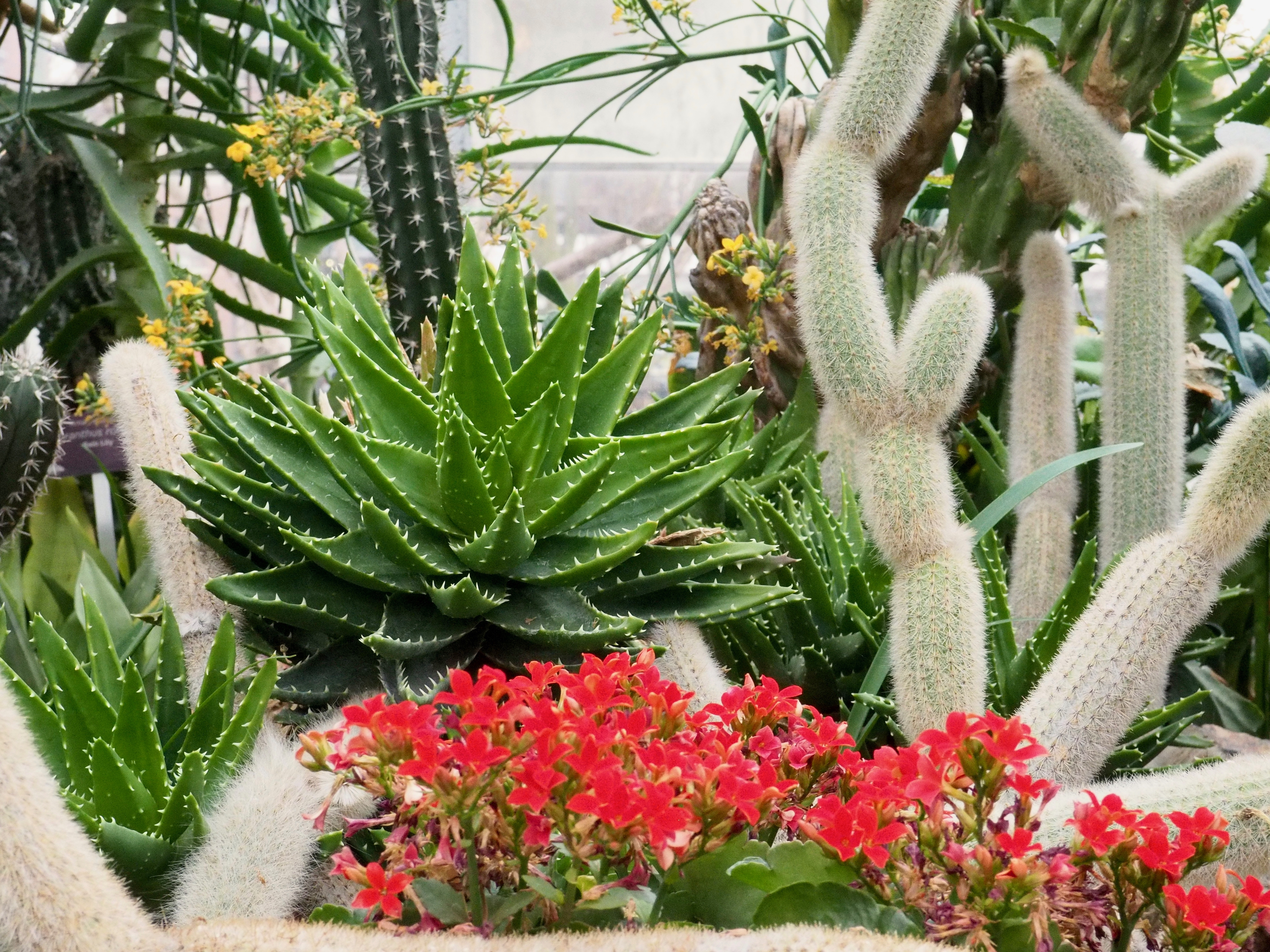
Rough Hills, 2018, Toronto by Christopher Parsons

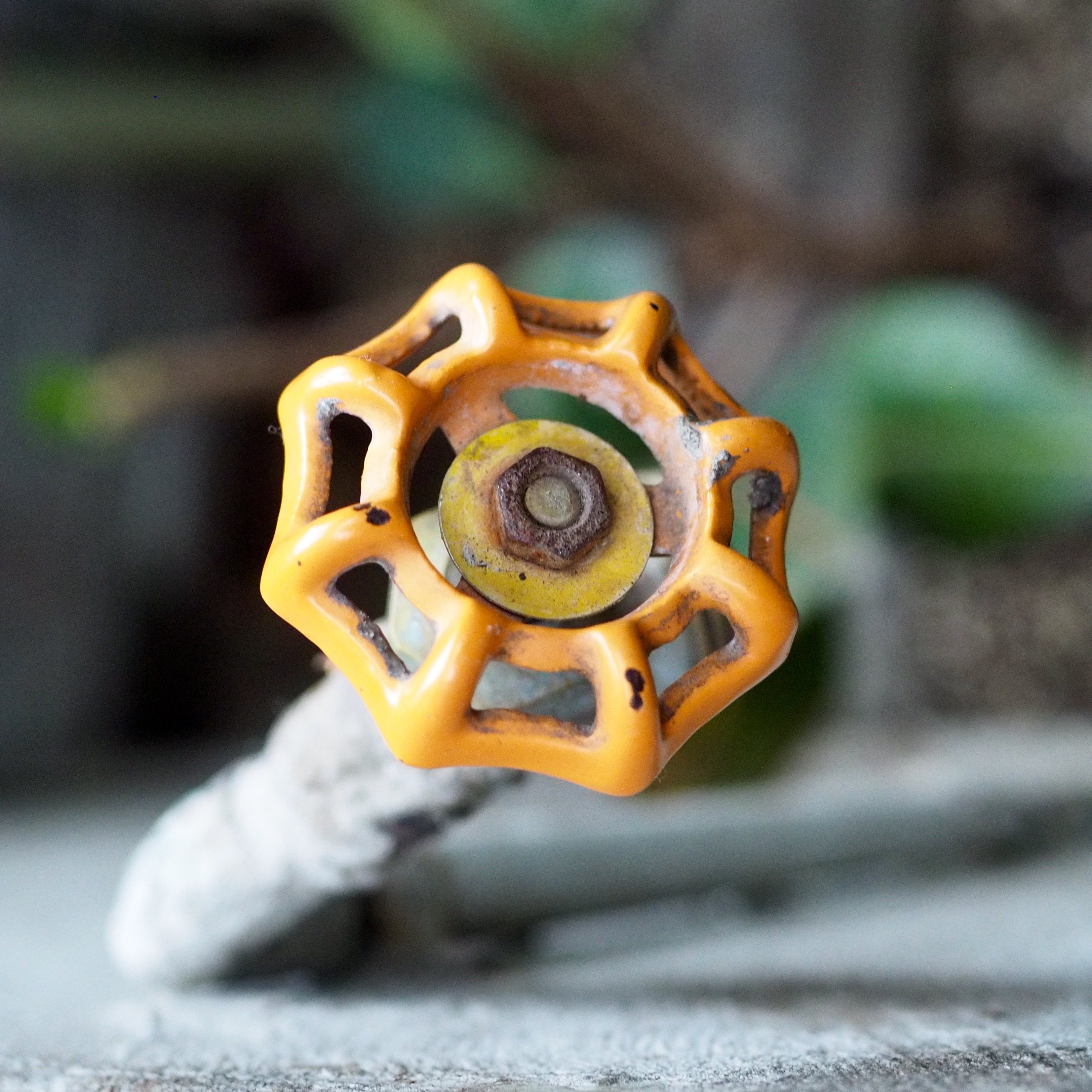
Valve, 2018, Toronto by Christopher Parsons

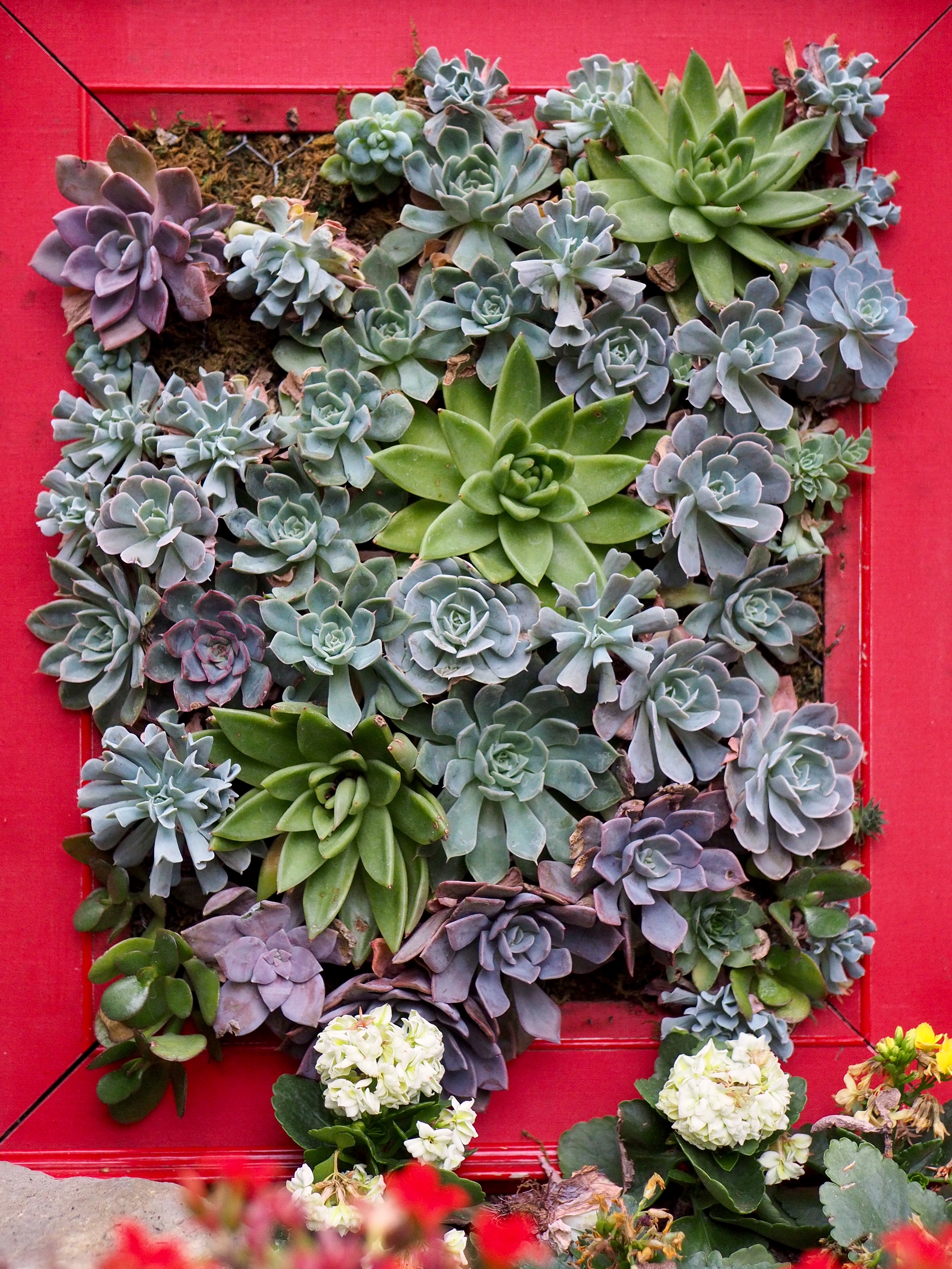
Red Frame, 2018, Toronto by Christopher Parsons

Untitled, 2018, Toronto by Christopher Parsons

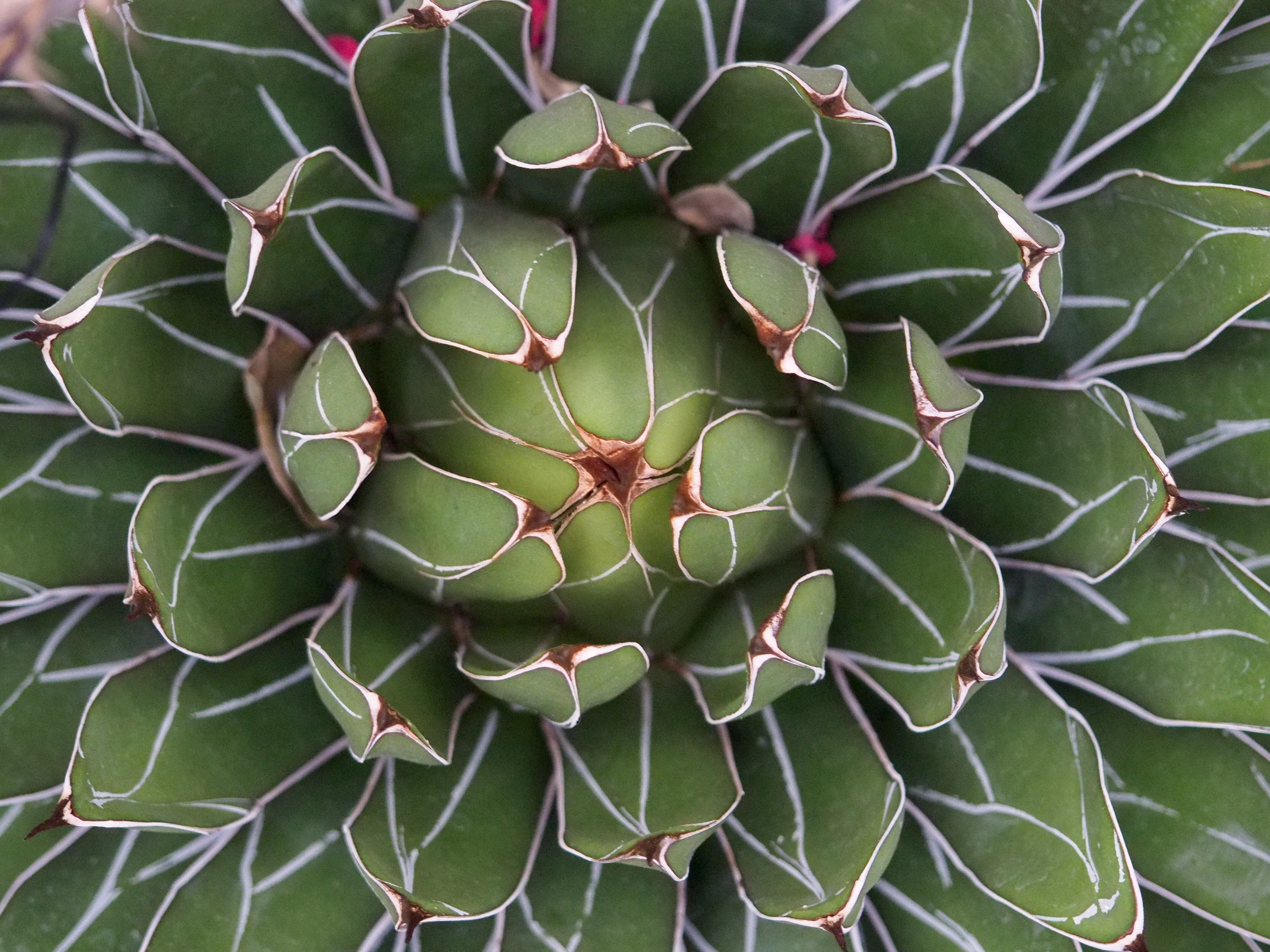
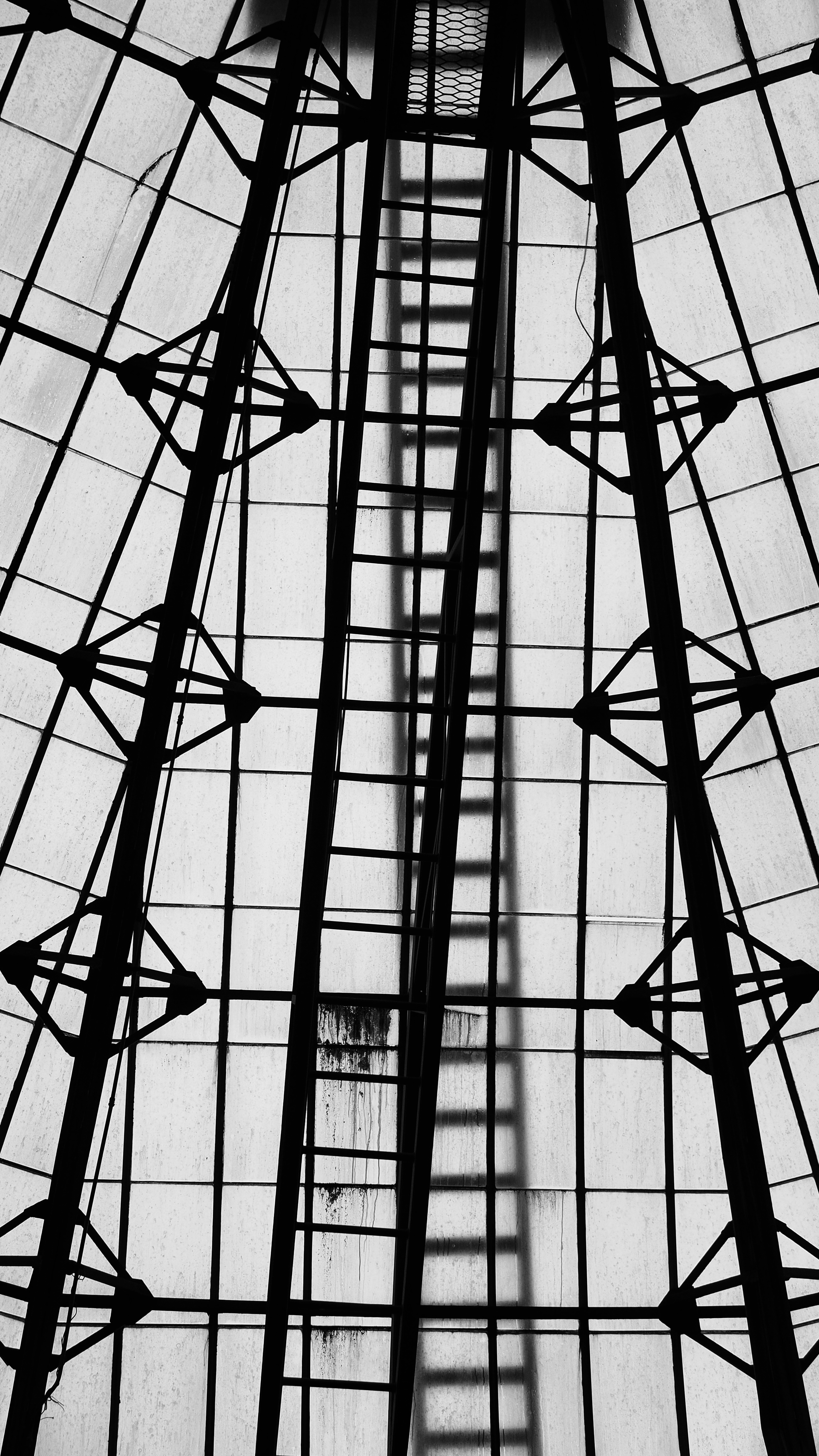
Apex, 2018, Toronto by Christopher Parsons

Once I’d walked the length of the gardens once more I passed through it one last time, this time with my Olympus 40-150mm 4.0-5.6 R. This is definitely not the lens I’d normally use for this kind of shooting environment. And that meant that I was forced to really try with the lens and make it perform in a space in which I’m not comfortable using it.

Aligned, 2018, Toronto by Christopher Parsons

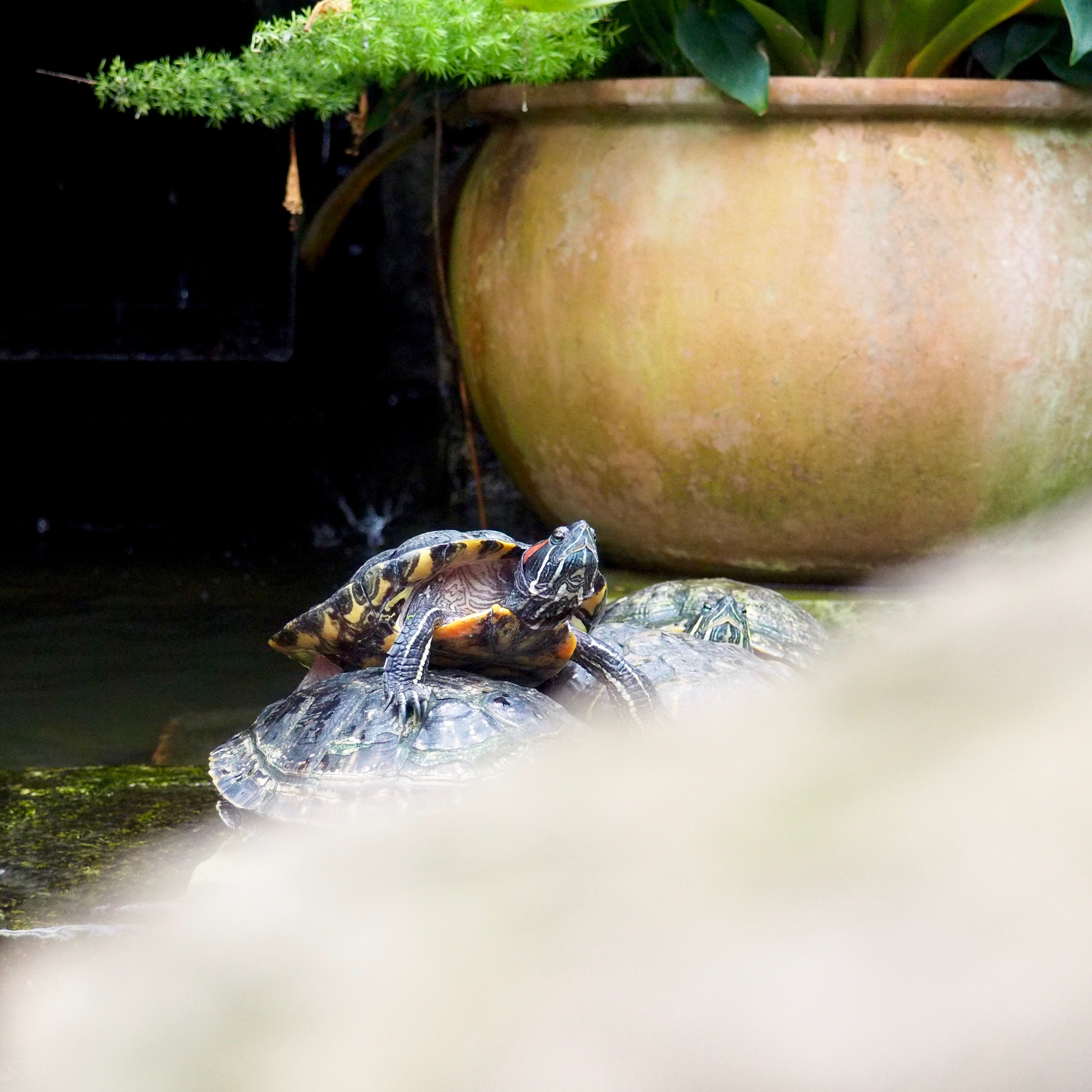
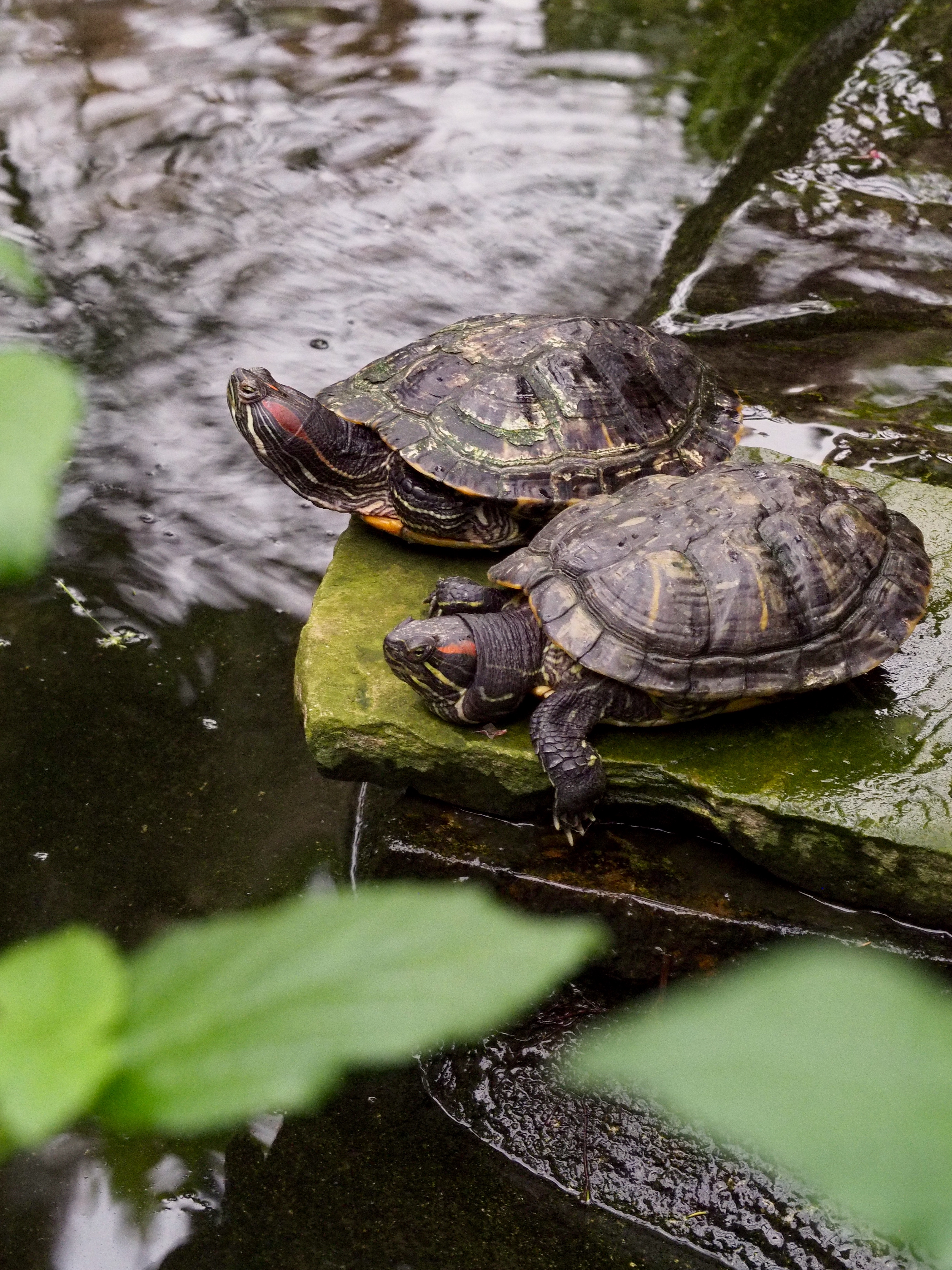
Pals, 2018, Toronto by Christopher Parsons

What did I take away from this? That by walking the same space with different lenses possessing different characteristics I saw the space and photographic opportunities differently. It also was a useful exercise in just visualizing the possible: what shots was I willing and able to experiment with based on the lens at hand? What kind of shot — architecture or natural environment – captured my imagination with the different lenses?

The shots shown above are those that I was most happy with. There were, obviously, far more that got deleted (especially from the 40-150mm!). It was a fun opportunity, and a challenge I suspect I’ll revisit in the future.